Zippori and the Mona Lisa of the Galilee
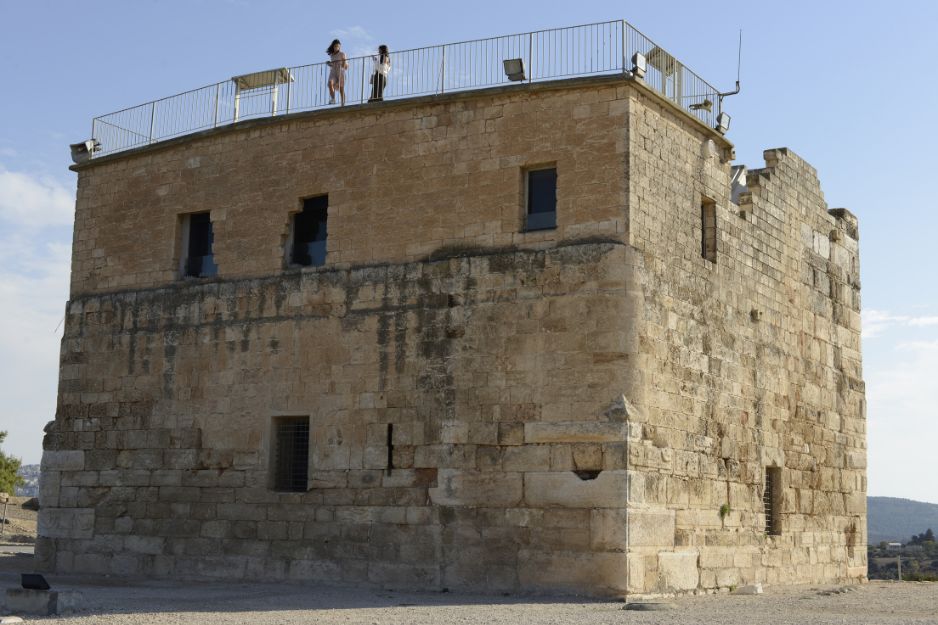
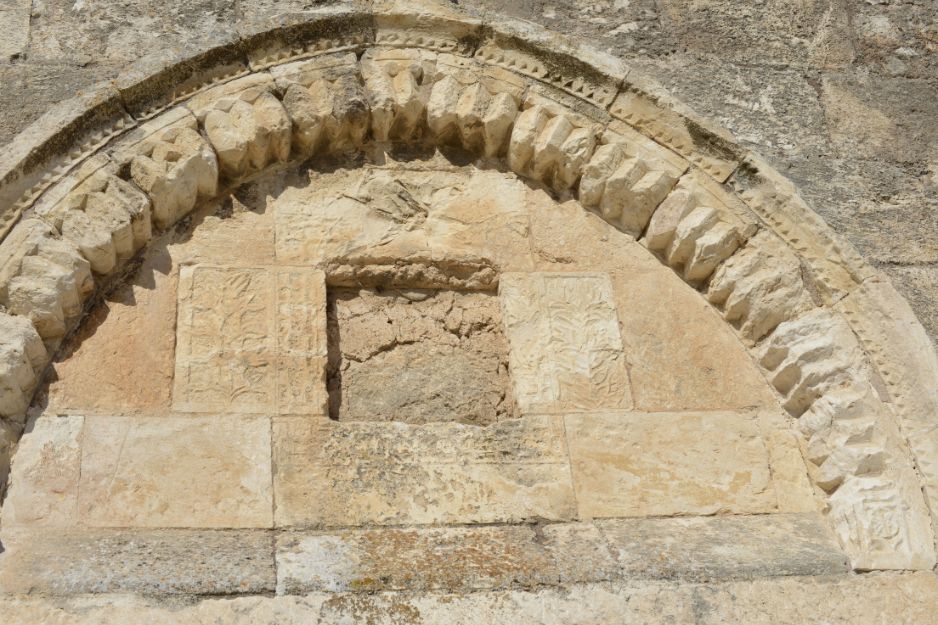
Zippori – General info
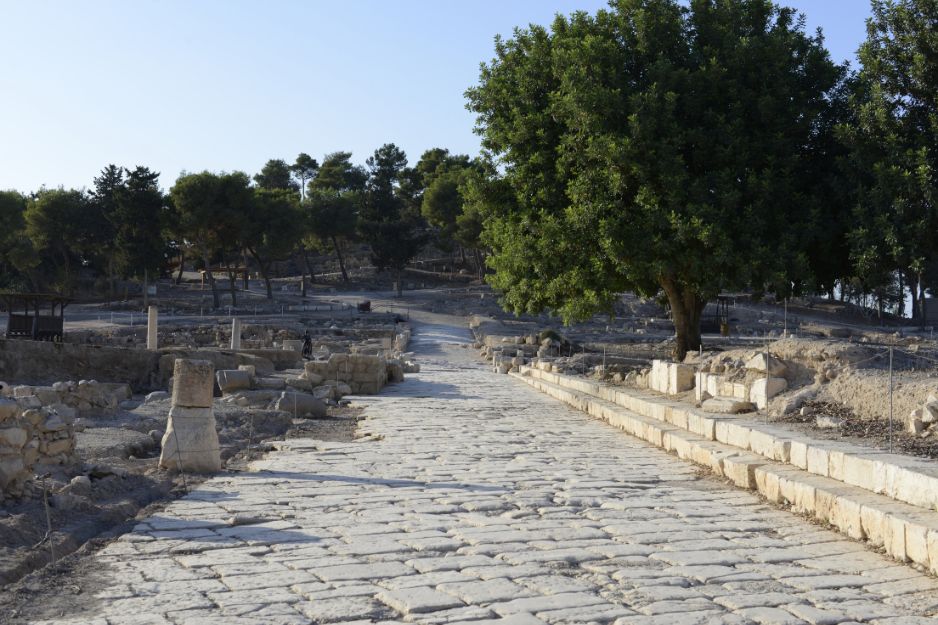
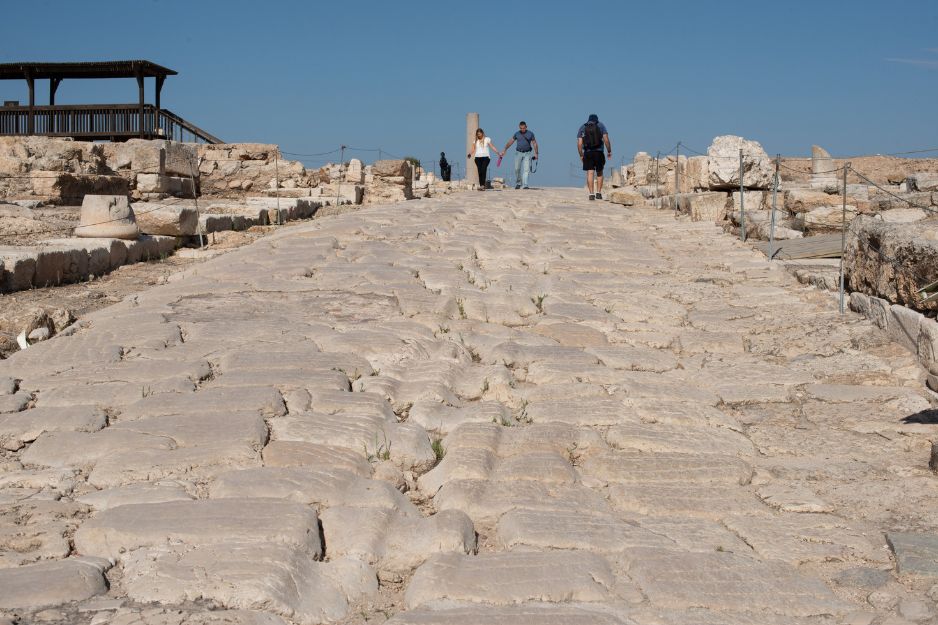
Zippori (Sepphoris) is an ancient city in the heart of the Lower Galilee, located about 30 km west of Tiberias and 5 km northwest of Nazareth.
A thriving Jewish city existed here from the Hasmonean period until the 5th century AD. Zippori holds a particularly important place in Jewish history, as it became a major center of Jewish religious and scholarly life.
One of the most prominent sages who lived and taught in Zippori was Rabbi Yehuda HaNasi (HaNasi means “the President” in Hebrew). He moved the Sanhedrin to the city and, around the beginning of the 3rd century AD, compiled and completed the Mishnah here. The Great Sanhedrin, traditionally composed of 71 sages, was the supreme Jewish religious, legislative, and judicial council.
The Mishnah is divided into six major sections, covering Jewish law and many aspects of everyday life, including agriculture, religious festivals, marriage and family law, civil and criminal law, Temple rituals, and ritual purity. Its compilation played a crucial role in preserving and organizing Jewish oral law in the generations following the destruction of the Second Temple in 70 AD. The Mishnah, and later the Talmud, became foundational texts of Rabbinic Judaism, traditionally regarded as second in importance only to the Hebrew Bible.
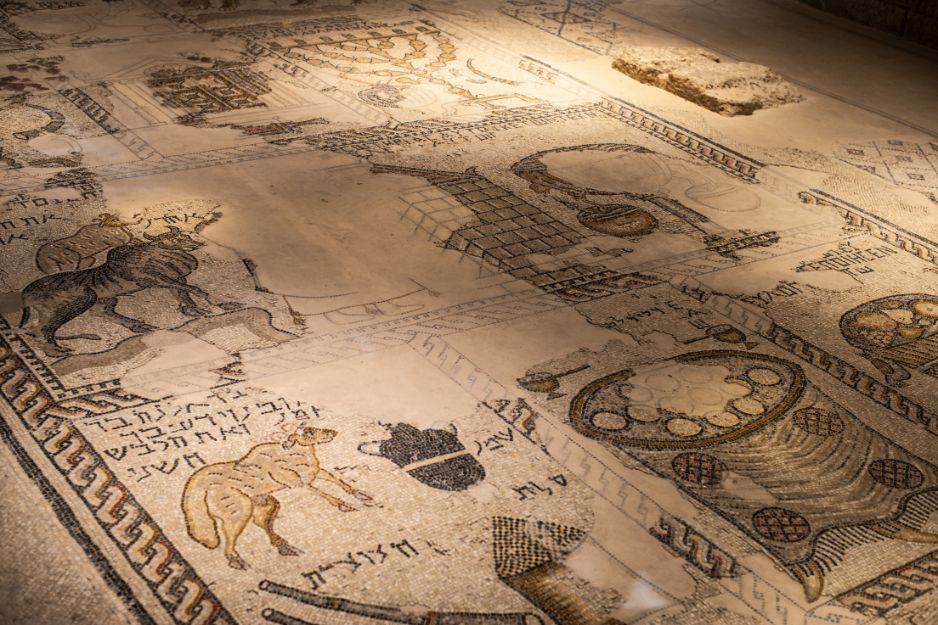
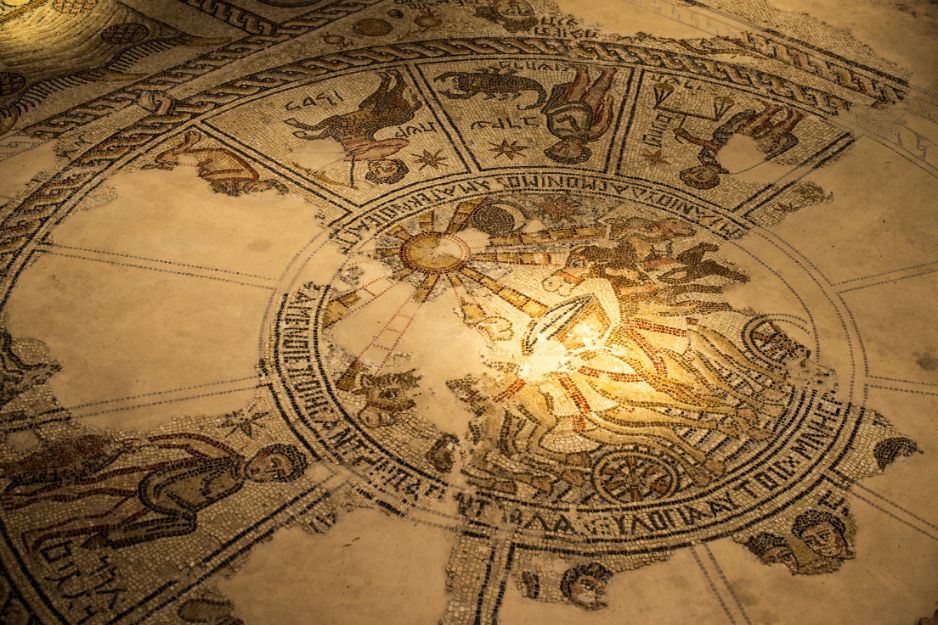
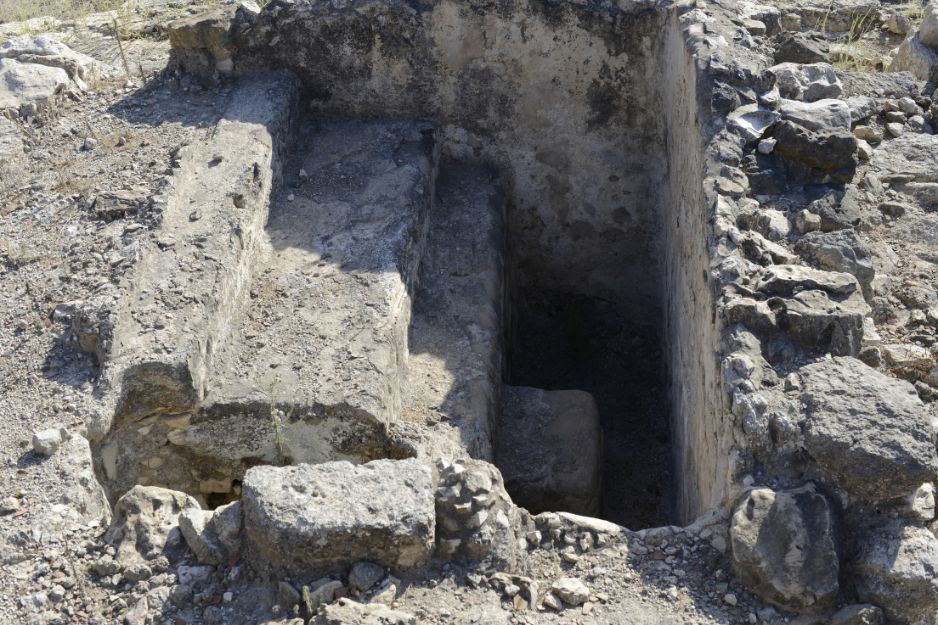
A 5th-century AD synagogue
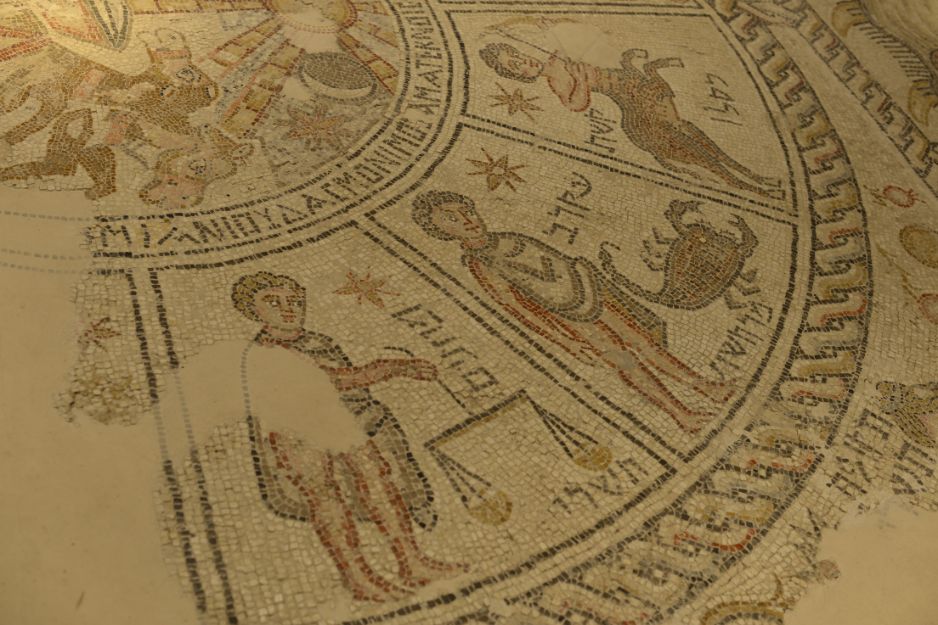
A 5th-century AD synagogue, measuring approximately 15 by 7 meters, was discovered at Zippori. Its remarkable mosaic floor features a zodiac wheel, with Helios, the sun god, riding a chariot at its center. The mosaic also depicts several biblical scenes, including the announcement to Sarah that she would bear a son, the consecration of Aaron, and the Binding of Isaac.
Other panels contain distinctly Jewish religious symbols, including the Torah Ark and the seven-branched Menorah that once stood in the Temple in Jerusalem. The fascinating combination of biblical imagery, Jewish sacred symbols, and the Greco-Roman zodiac provides a remarkable glimpse into the cultural and religious world of Zippori’s prosperous Jewish community, which lived within and was strongly influenced by the surrounding Greco-Roman culture during the Byzantine period.
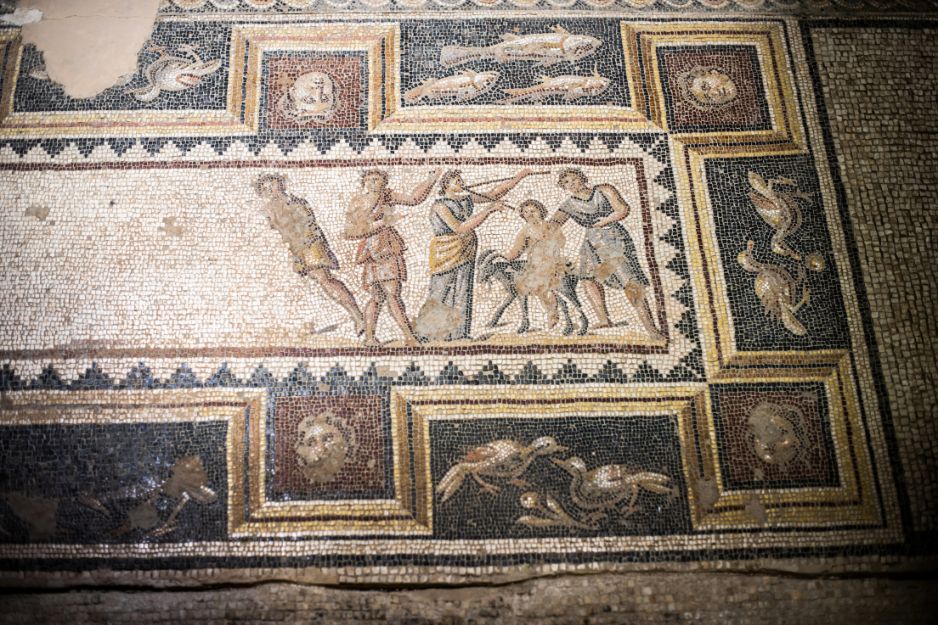
The House of Dionysus
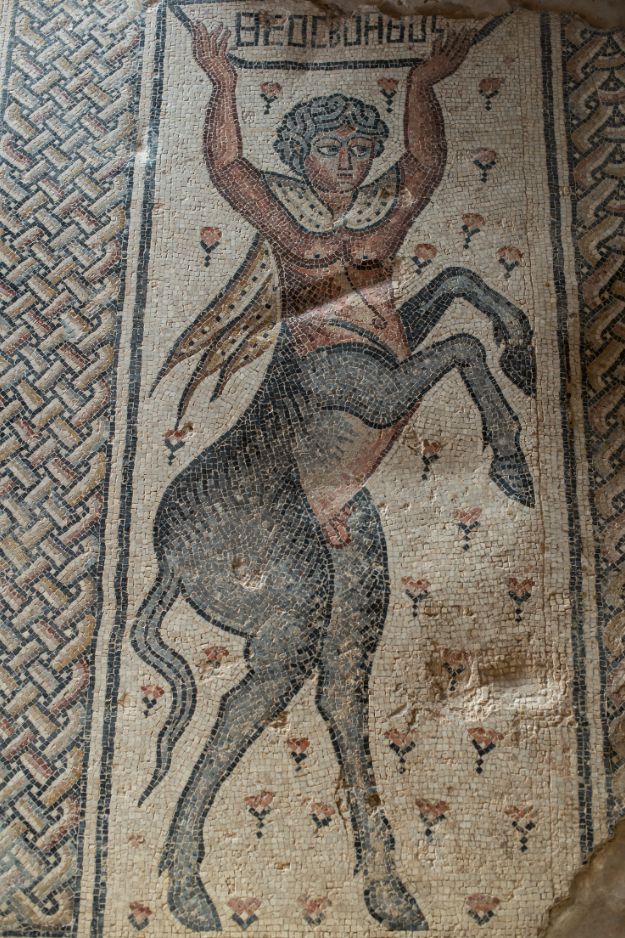
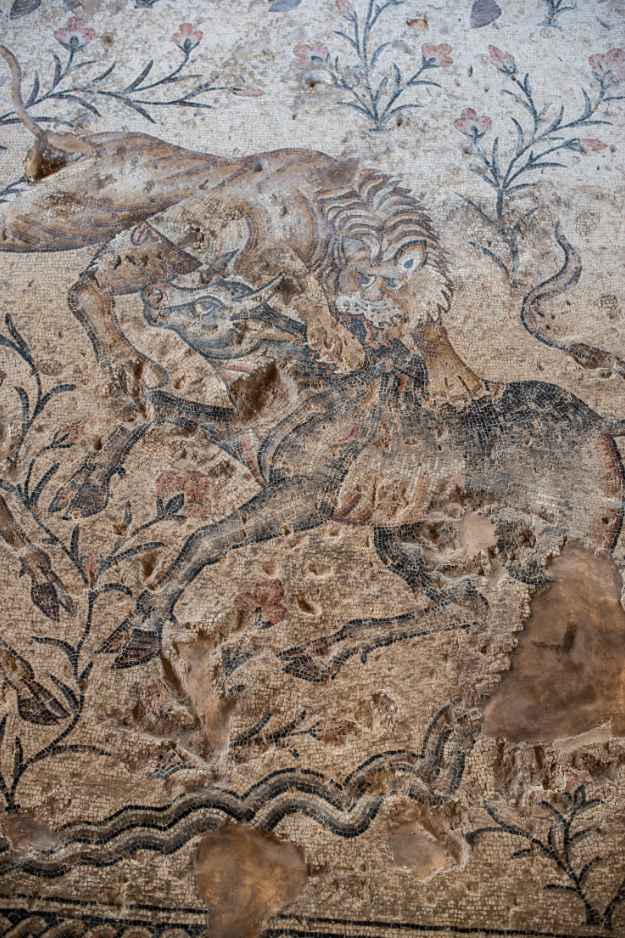
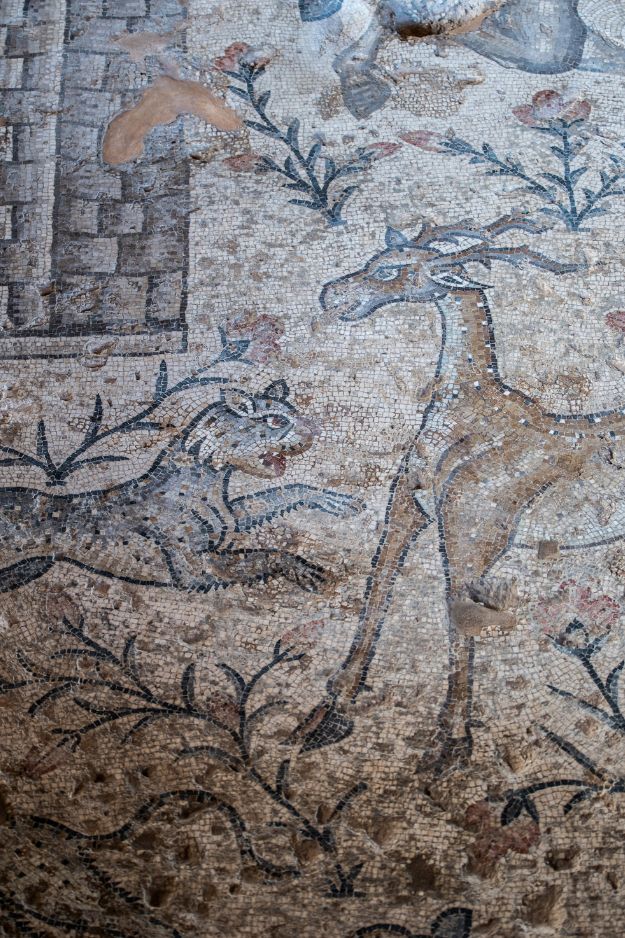
The House of Dionysus is a large and luxurious Roman villa built at the top of the hill in the early 3rd century AD. It takes its name from the magnificent mosaic floor discovered in its main reception hall, depicting scenes from the life and worship of Dionysus, the Greco-Roman god of wine.
The villa contained richly decorated rooms, many of them paved with elaborate mosaic floors. Researchers believe the building was probably destroyed in the powerful earthquake of 363 AD.
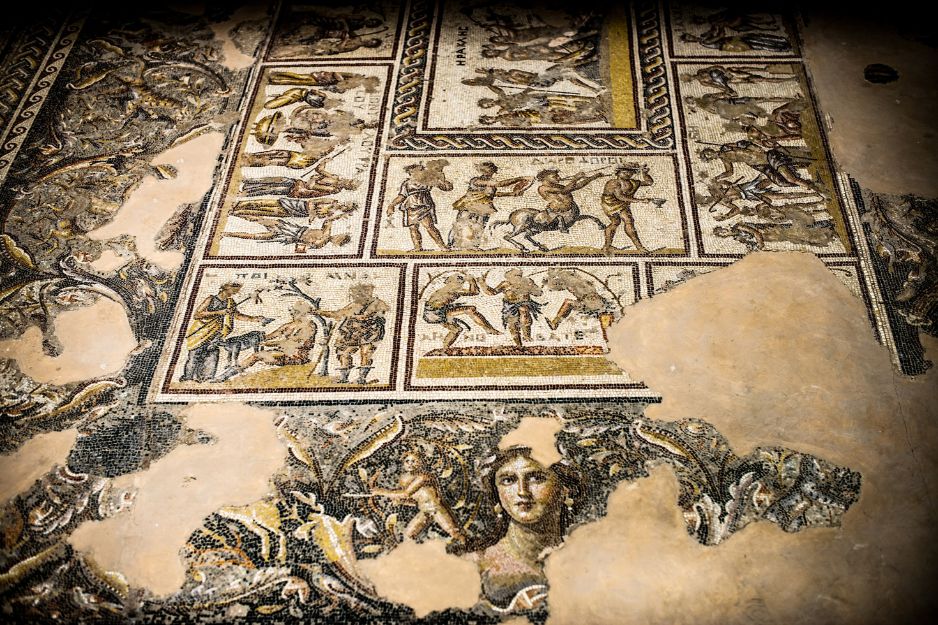
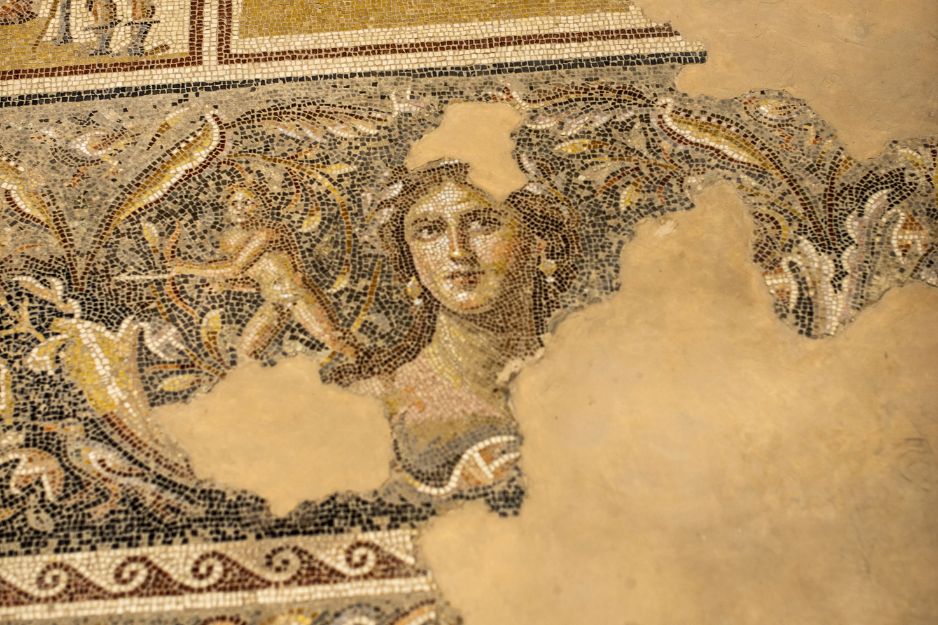
The “Mona Lisa of the Galilee”
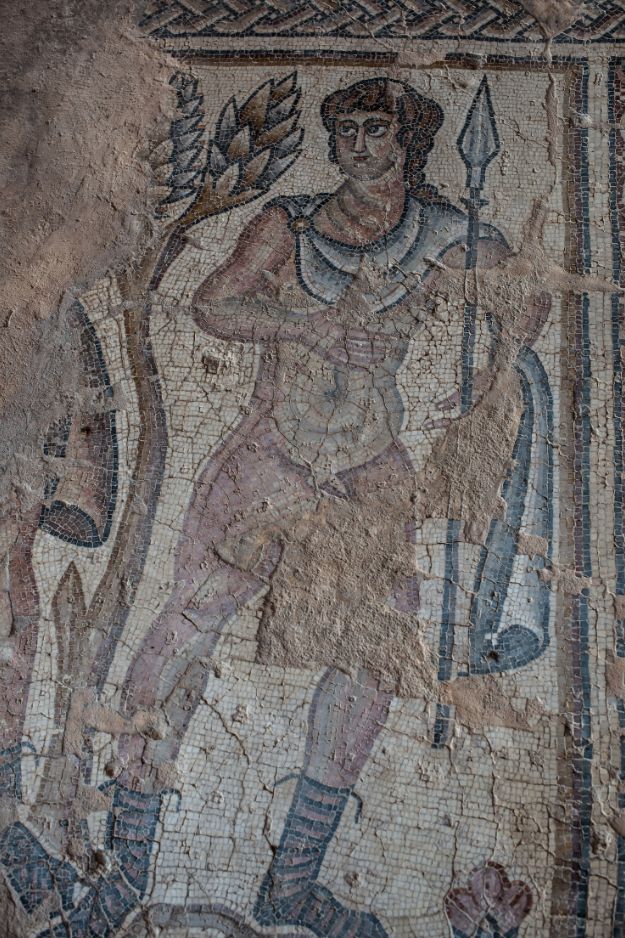
The masterpiece of the villa is the magnificent mosaic decorating its main hall. Among its many scenes is an extraordinarily delicate portrait of a woman who has become known as the “Mona Lisa of the Galilee.”
For us, this was undoubtedly the highlight of our entire visit to Zippori. Standing before her was no less exciting than seeing Leonardo da Vinci’s original Mona Lisa at the Louvre in Paris. We simply stood there in awe, admiring the beauty and remarkable detail of a mosaic that has survived for almost 1,800 years.
The Nile Festival House
The Nile Festival House is an impressive complex consisting of 11 rooms. One of its rooms contains a magnificent large mosaic depicting the celebrations of the Nile Festival in ancient Egypt.
The colorful mosaic portrays scenes associated with the Nile and its annual flooding, surrounded by detailed images of plants, animals, and figures, reflecting the fascination with Egyptian landscapes and culture in the Roman and Byzantine world.
In another room, you can find a fascinating mosaic depicting the legendary Amazons, the female warriors of Greek mythology, engaged in battle with their enemies.
One of the warriors is depicted with her left breast exposed, recalling the ancient legend that Amazons removed one breast to give themselves greater freedom when drawing a bow and arrow.