Qasr al-Yahud – Stories from the Sacred
Qasr al-Yahud, on the Jordan River’s west bank, is a key Christian and Jewish pilgrimage site. It’s believed to be where Joshua crossed into the Promised Land, Elijah ascended to heaven, and Jesus was baptized. Today, it’s a sacred destination, drawing visitors for spiritual reflection and events like the annual “Pioneers of the Dead Sea” hike.
Written by Zvika Gasner Koheleth, 04-June-2025. Photography by Angela Hechtfisch
Qasr al-Yahud: Joshua Ben Nun and the Crossing of the Jordan River
According to the Book of Joshua (Chapter 3), after 40 years of wandering in the desert, the Israelites stood at the edge of the Promised Land.
Meanwhile, Because he sinned, Moses stood atop Mount Nebo, watched Israel from afar, and accepted that he couldn’t enter the Promised Land. Leadership passed to Joshua Ben Nun, who led the people across the Jordan River.
At this very location—Qasr Al-Yahud (In Arabic: “The palace of the Jews”) —the river miraculously stopped flowing, allowing the Israelites to cross on dry ground.
This moment marked their transformation from a wandering people into a nation with a homeland.
Elijah the Prophet
According to 2 Kings, Chapter 2, the prophet Elijah ascended to heaven in a chariot of fire at Qasr al-Yahud, entrusting his prophetic mission to his disciple and successor, Elisha.
Do not let the different pronunciations of the prophet’s name—Eliyahu in Hebrew, Elijah in English, or Elias in Greek—cause confusion. He is regarded as one of the greatest and most celebrated prophets in Jewish tradition and is revered across all major monotheistic religions.
His Hebrew name, “Eli” (“My God”) and “Yahu” (“YHWH” or “Jehovah”), reflects his fierce struggle against King Ahab’s encouragement of Baal worship in the Kingdom of Israel. This conflict reached its dramatic climax after three years of drought, seen as divine punishment, in the famous contest of fire at Muhraka on Mount Carmel in northern Israel.


Elisha and the Healing Waters of the Jordan
At Qasr Al-Yahud, Elisha demonstrated the purifying and healing power of the Jordan River.
In one of his most famous miracles, he instructed Naaman—the commander of the Aramean army and a leper—to immerse himself in the river seven times. He did—and the miracle healed him.
Elisha then continued to the city of Jericho, where he performed a miracle by transforming the salty waters of the spring into fresh, clear water. To this day, the spring still bears the name of Elisha.
John the Baptist Sacred Moment in the Jordan
John Ben Zechariah, better known as John the Baptist, came from a priestly family—his father actively served in the Temple in Jerusalem.
John chose a different path, embracing an ascetic lifestyle in the wilderness. Many scholars believe he lived for about two years in the Qumran community, located less than 5 km from Qasr Al-Yahud.
At Qumran, the community practiced daily purification rituals in mikva’ot (ritual baths), traditions that likely influenced John the Baptist’s teachings on baptism. He began preaching repentance and spiritual renewal through immersion, transforming Qasr al-Yahud into the center of his ministry.
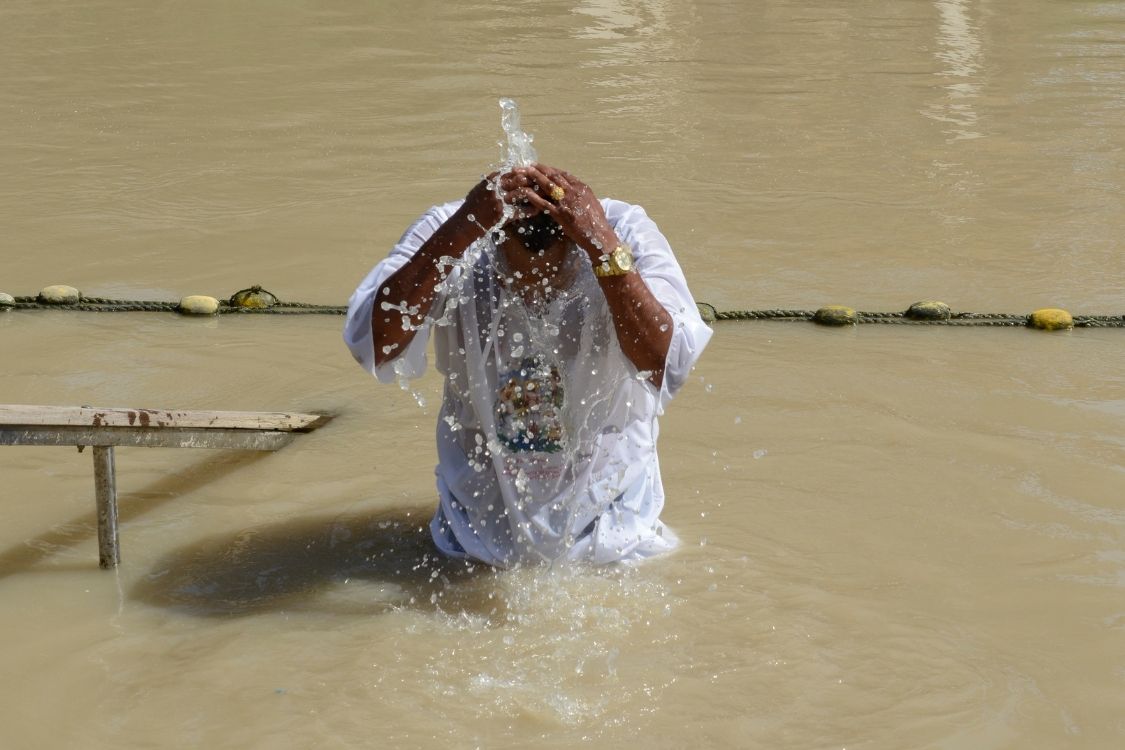
Crowds gathered along the riverbanks, openly confessing their sins before immersing themselves in the sacred waters. Among them was his cousin, Jesus of Nazareth. To this day, especially on Sundays, pilgrims and believers continue to immerse themselves in the Jordan River, reenacting the sacred event believed to have taken place there nearly 2,000 years ago.
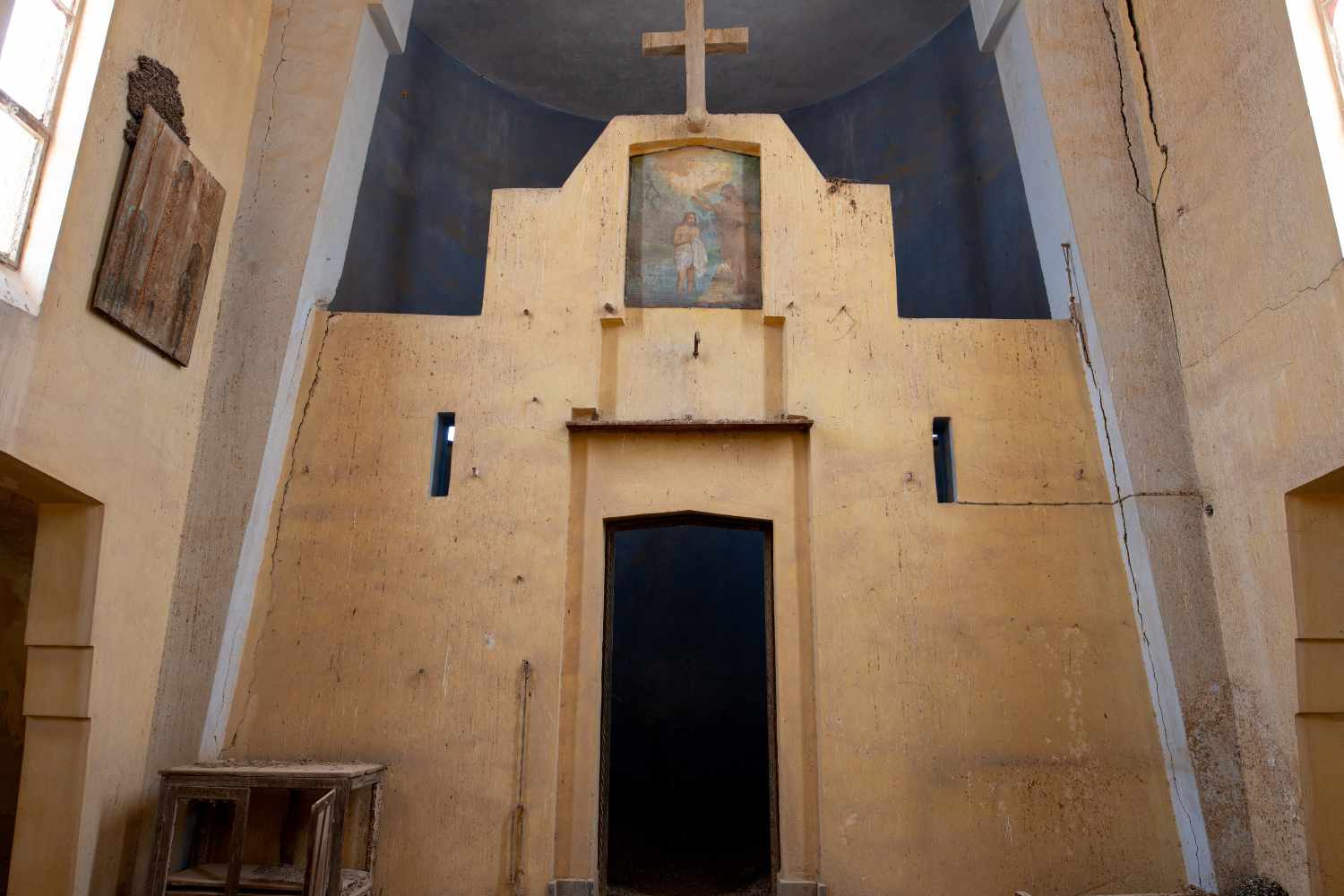

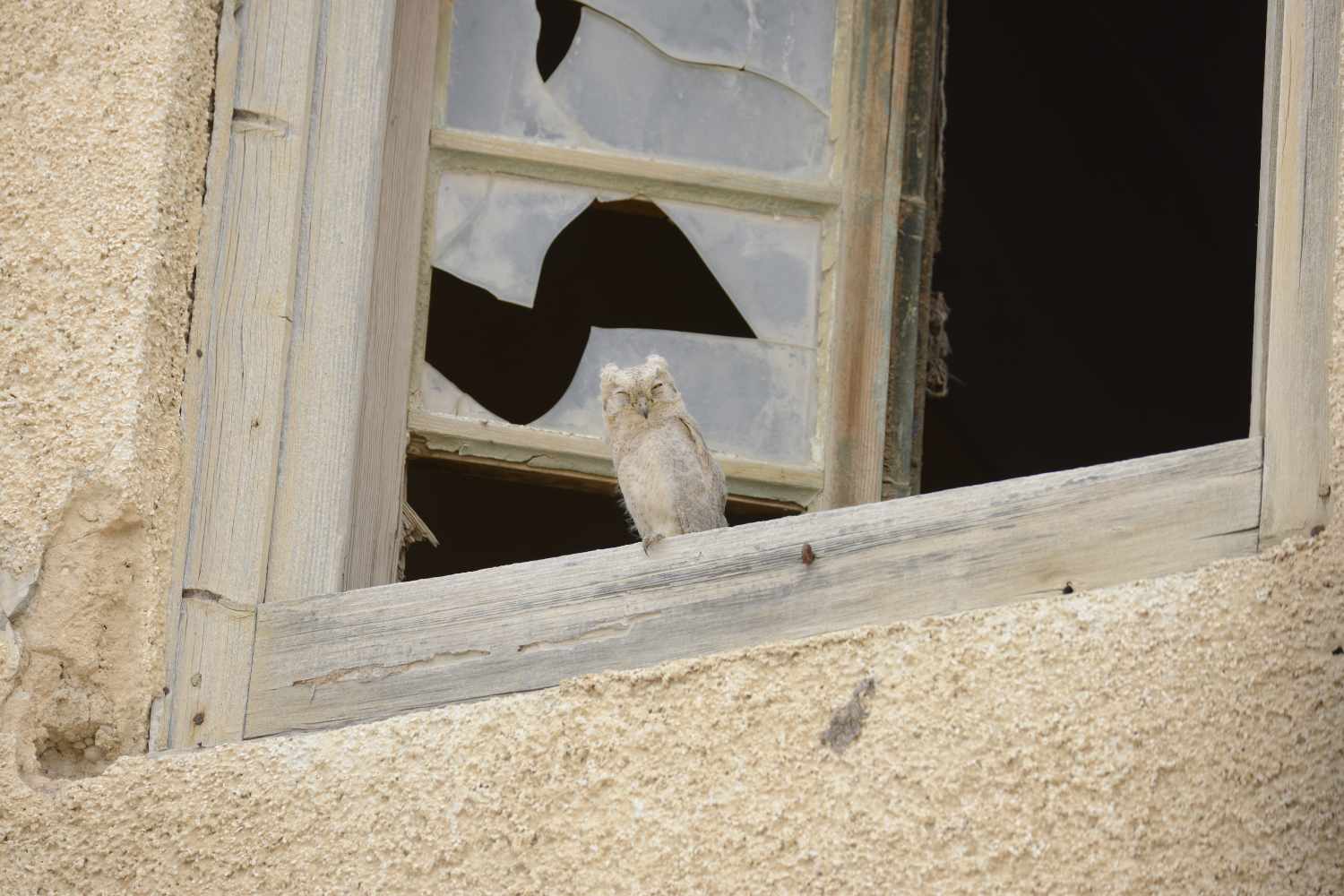

The New Testament describes how, during Jesus’s baptism, the heavens opened and the Holy Spirit descended like a white dove, declaring him the “Chosen One.” Even today, white doves are often seen around the area—divine sign, coincidence, or maybe a little human help? You decide.
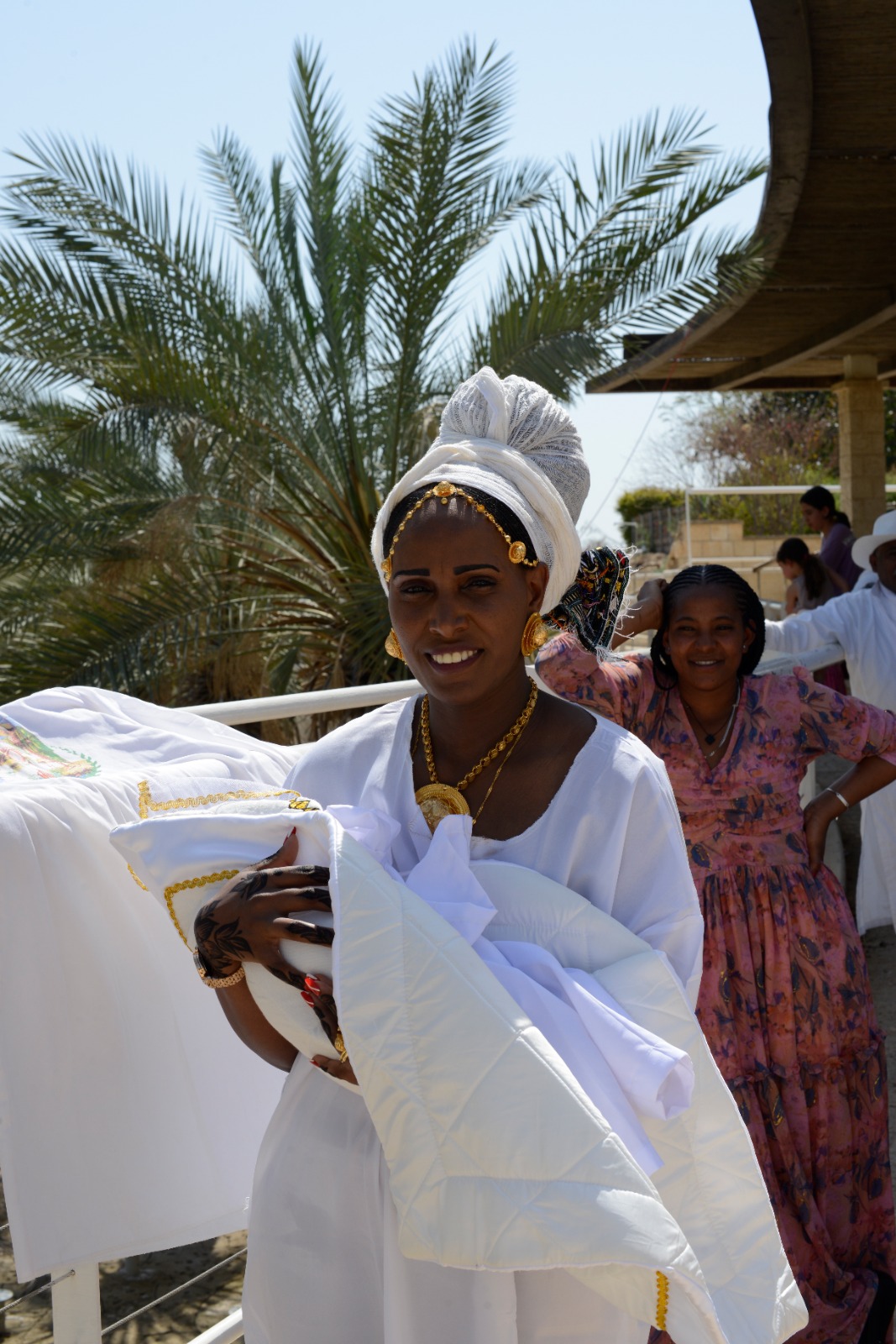
It is a long-standing pilgrimage tradition for believers to immerse themselves in the waters of Qasr al-Yahud wearing a simple white gown, usually purchased on site. The following day, many continue to the Church of the Holy Sepulchre in Jerusalem—believed by Christians to be the tomb of Jesus—where they gently rub the gown against the church’s sacred walls. The robe is then carefully kept for many years and is eventually used again on the day of their burial.


Pilgrimages to the Biblical Site
During the Byzantine period, Christian pilgrims began visiting Qasr Al-Yahud to retrace Jesus’ footsteps and place of Baptism.
Builders raised many churches and monasteries nearby to welcome the growing number of visitors.
However, Pilgrimage activity continued for centuries until 1967, when the outbreak of the Six Day War turned the area into a military zone.
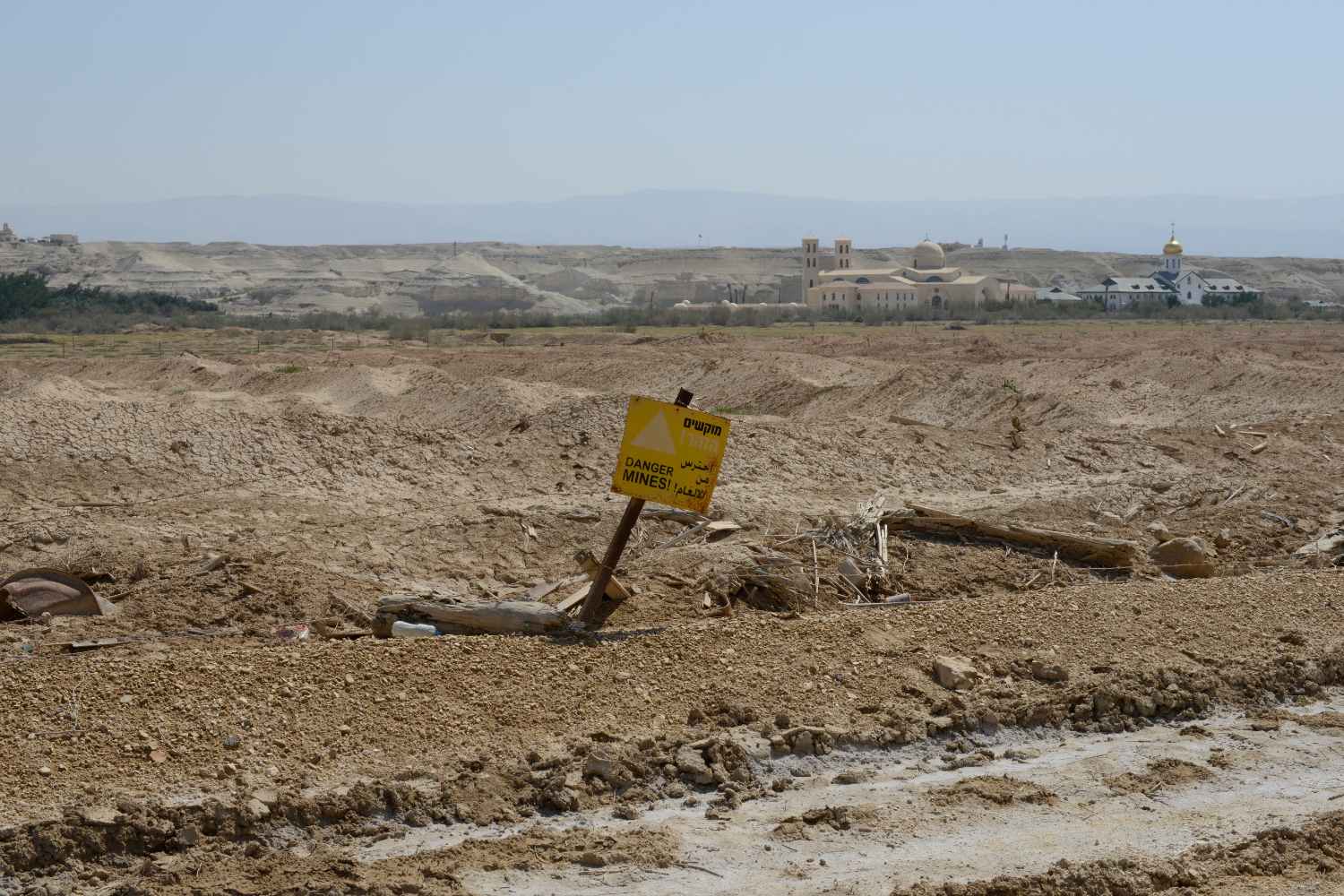
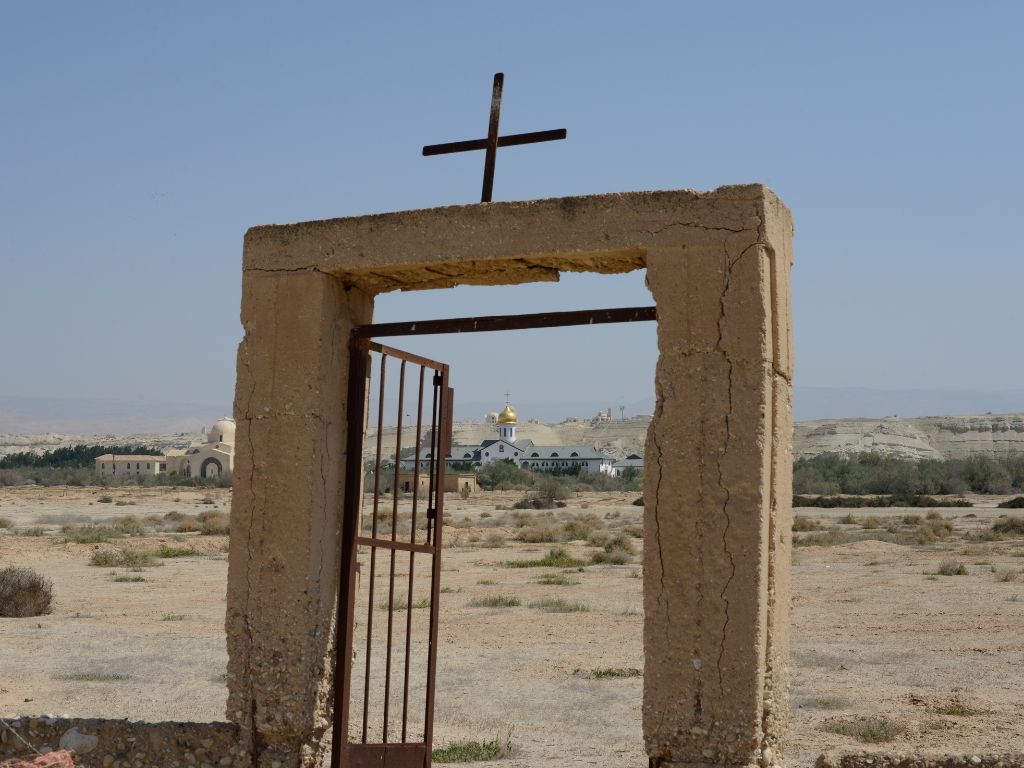
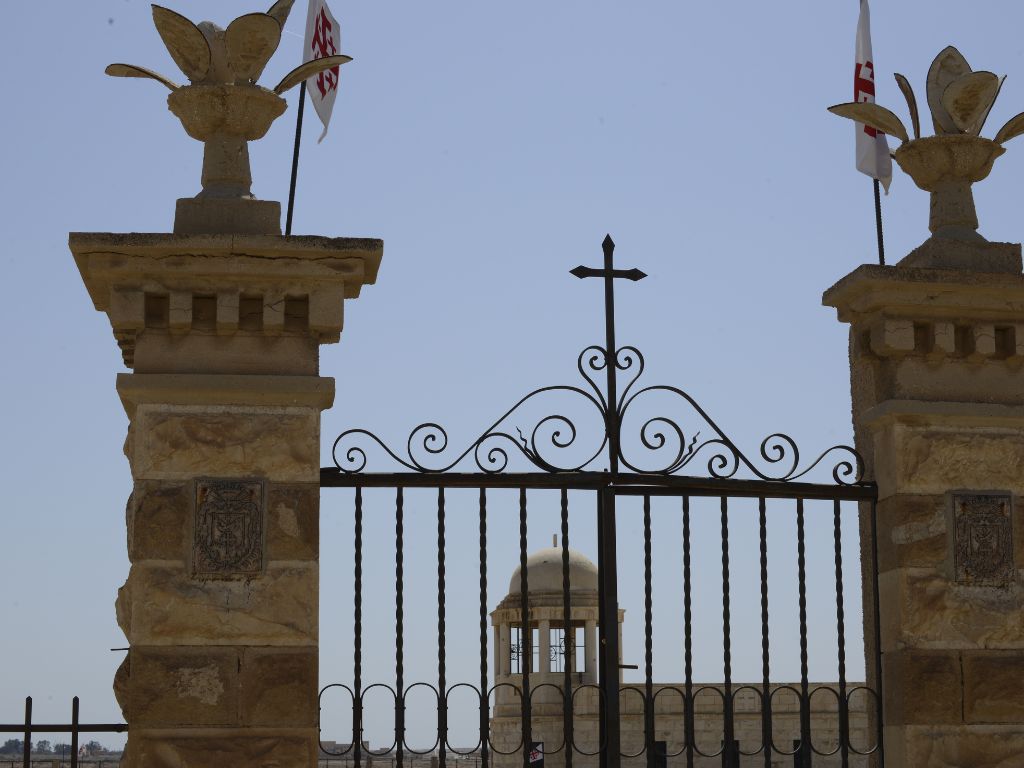
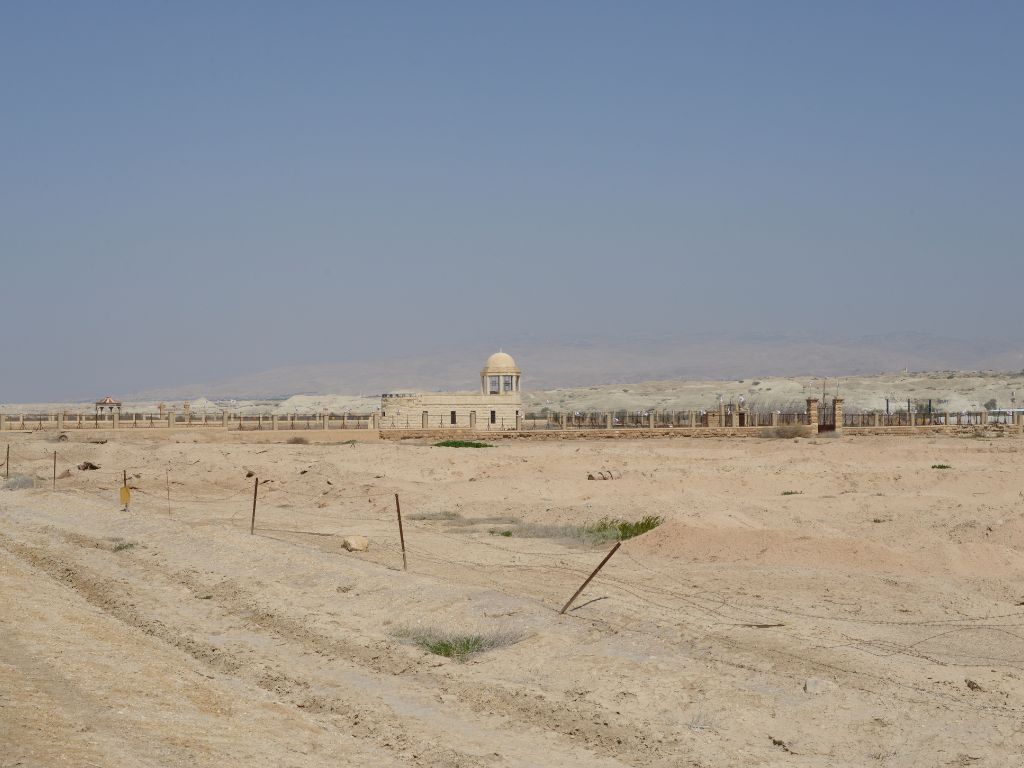
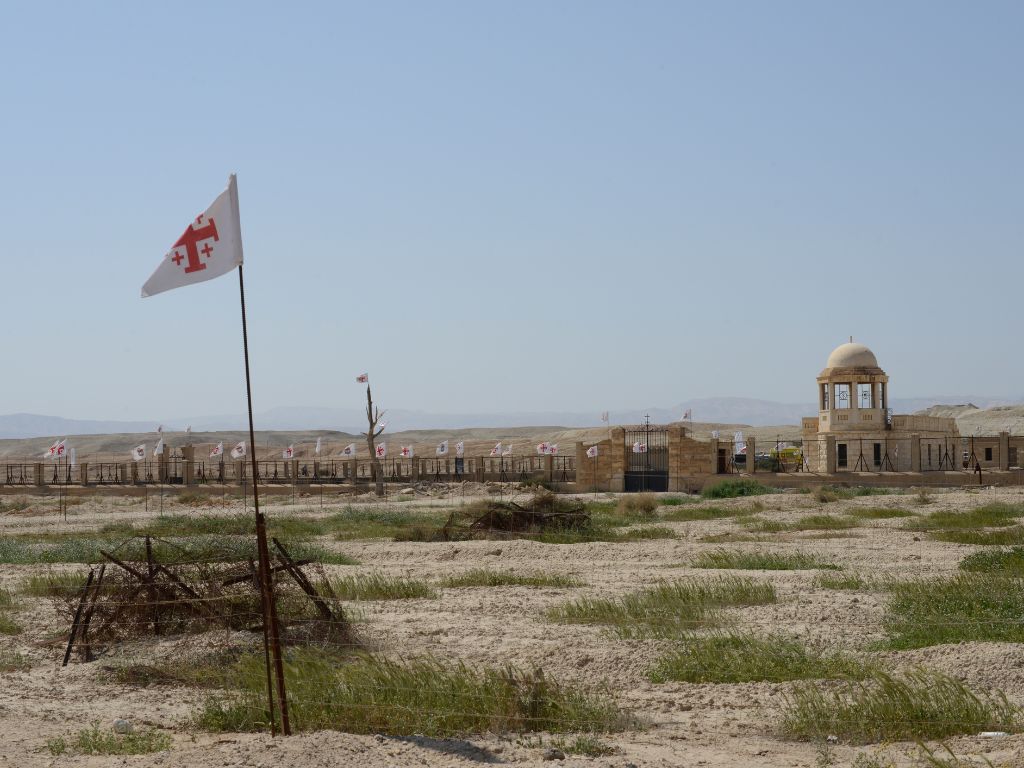
The army sealed off the area, planted landmines, and shut down the monasteries, leaving them abandoned. The site remained closed military no-mens zone and desolate for years.
In 1981, the “Yardenit” baptismal site was established at beginning point of the Jordan river from the Sea of Galilee, to serve Christian pilgrims while Qasr Al-Yahud remained inaccessible. Yardenit became a spiritual alternative until access to Qasr Al-Yahud was later restored.


Pioneers of the Dead Sea – A Hike in the Footsteps of the Region’s First Settlers
Held annually—usually in mid-March—“Pioneers of the Dead Sea” is a unique hiking event for the whole family, set in the dramatic landscape where the Jordan River meets the Dead Sea. Once a year, hidden trails and historic sites open to the public, offering a rare glimpse into this biblical terrain.
The route features striking views of the mysterious “Land of the Monestries”—a collection of long-abandoned churches and chapels that stir the imagination and connect hikers to ancient faiths and desert beauty.
The journey begins at the Qasr Al-Yahud baptismal site and follows the Jordan River south toward the once-thriving monasteries.
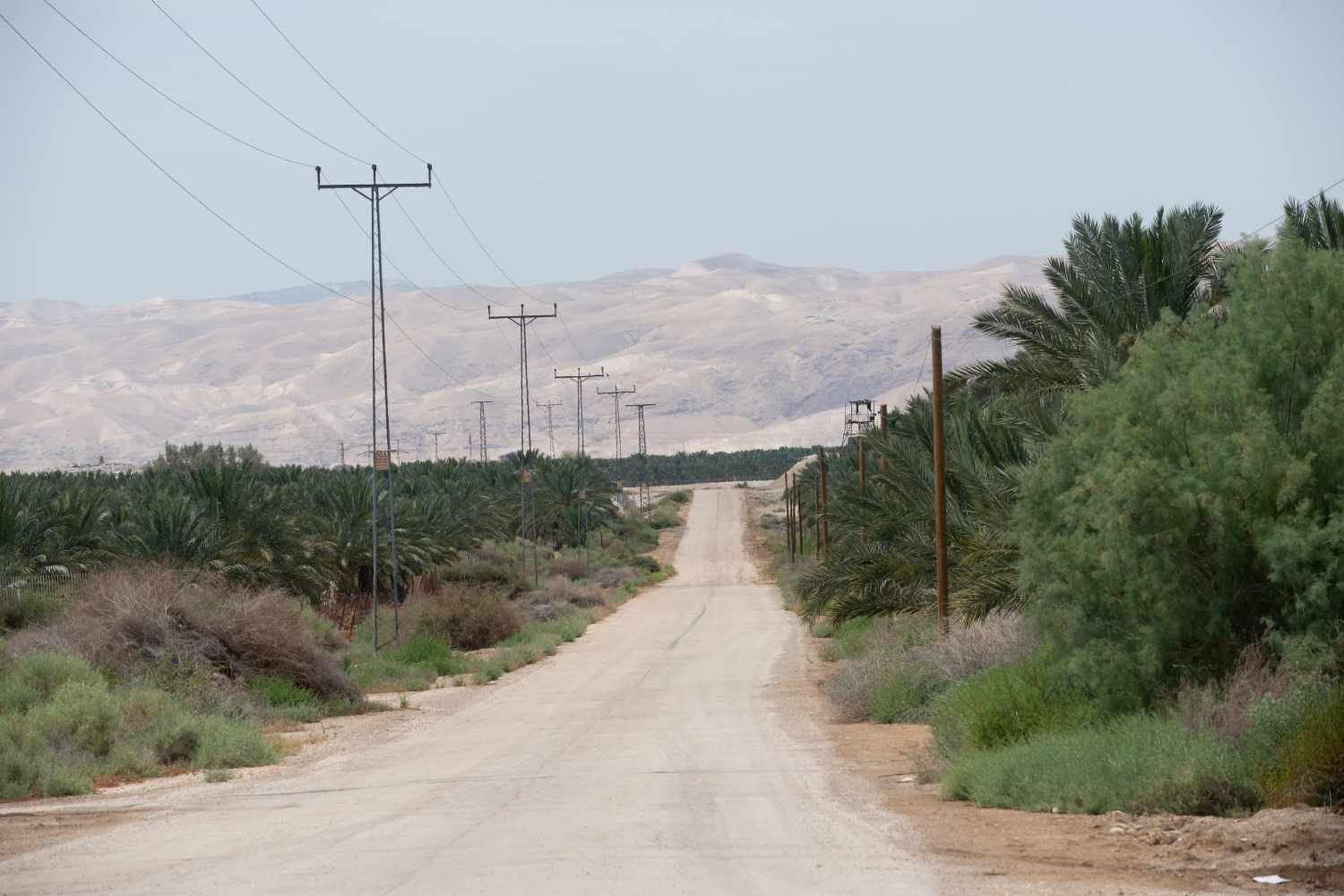
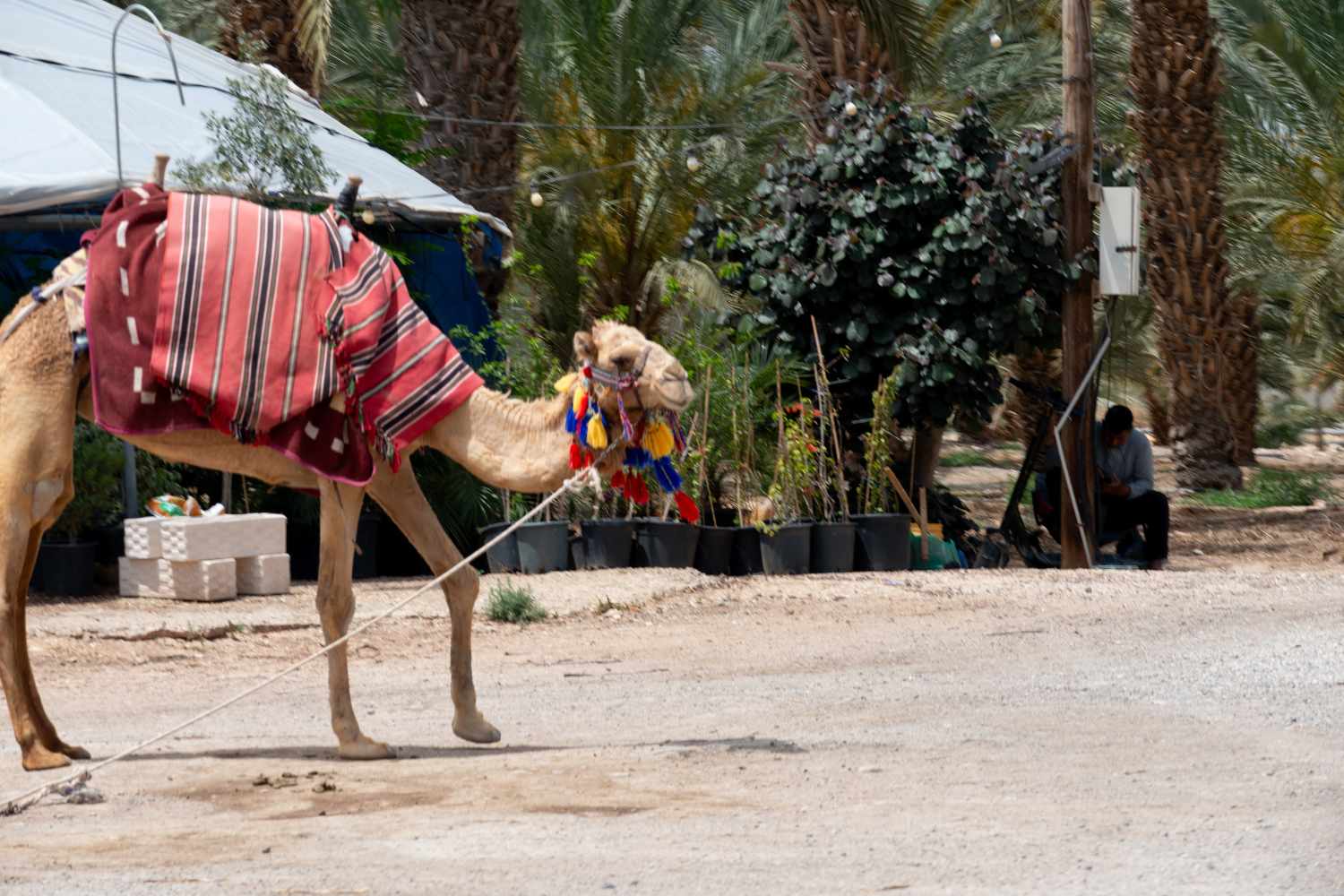
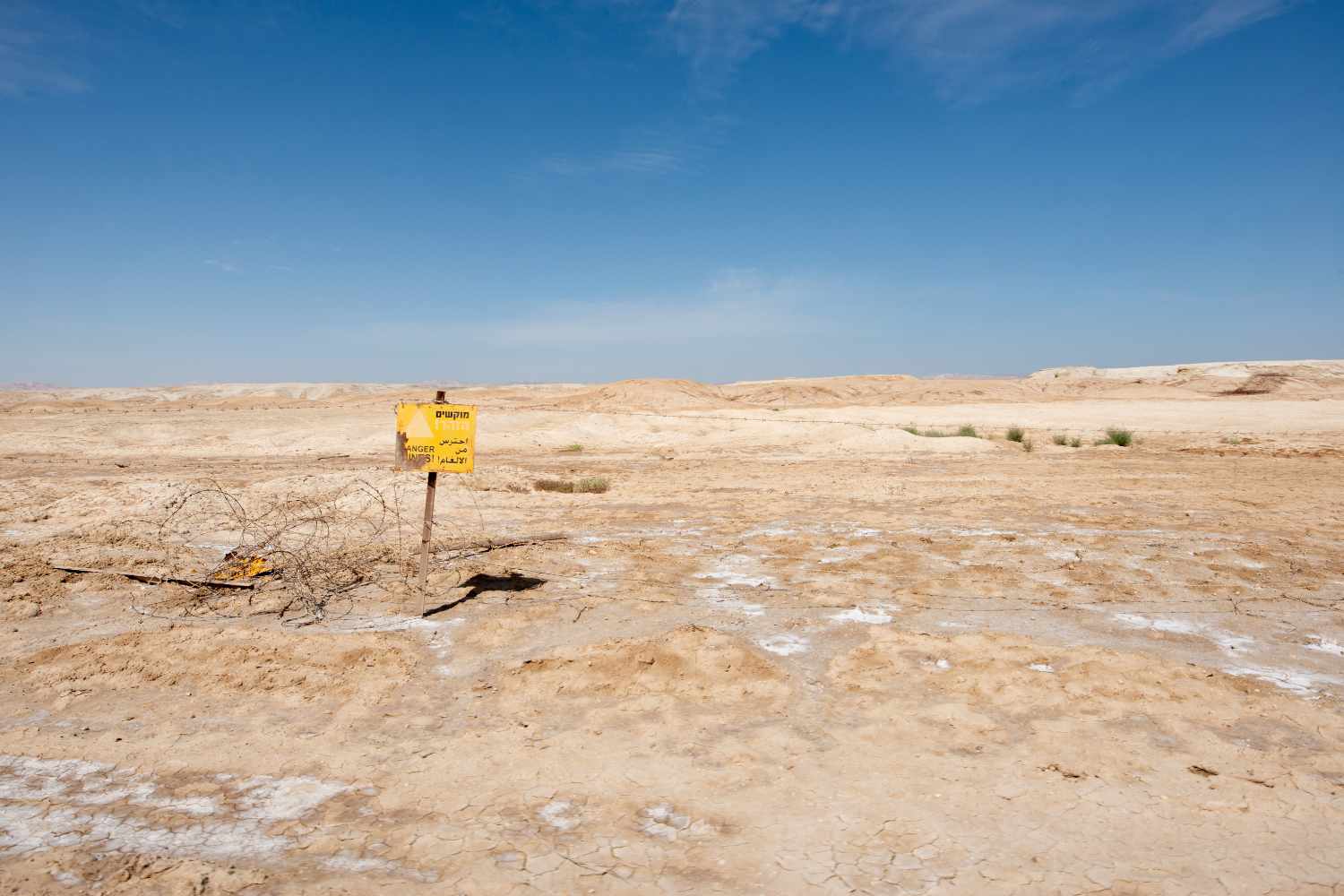
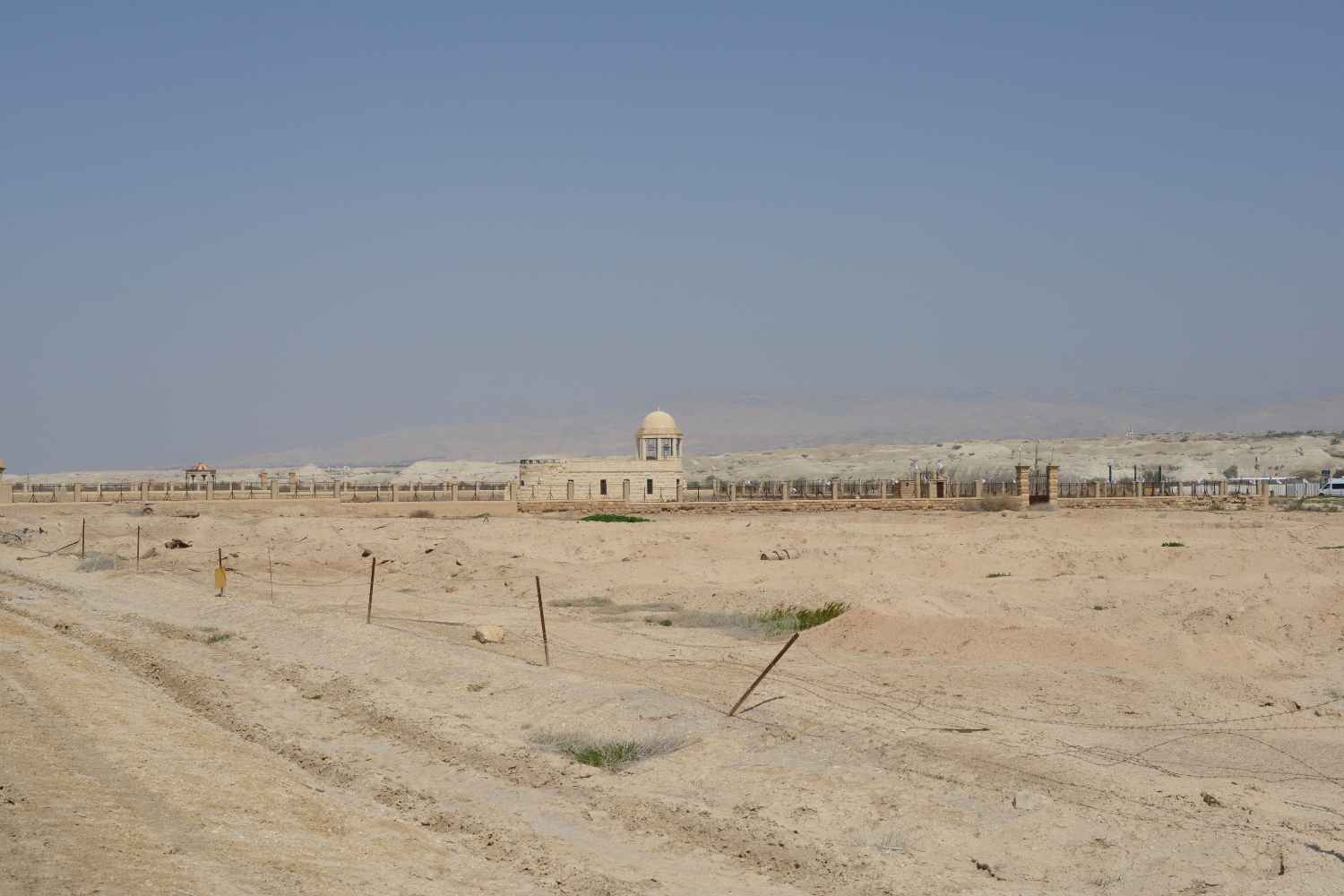
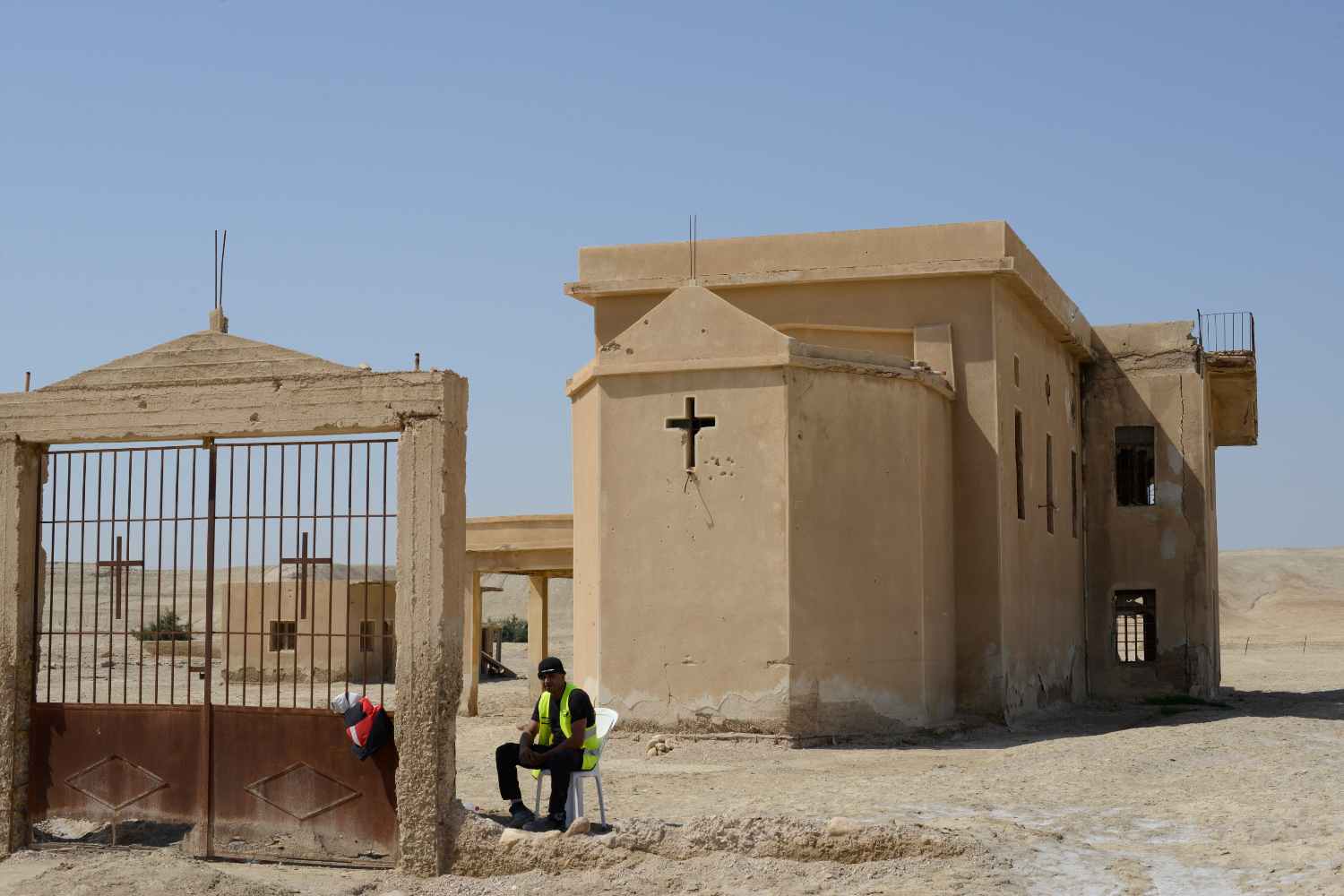
Participants can choose from three different trail options. The shortest, a 4.5 km loop, is often the most rewarding—leading hikers all the way to the point where the trail intersects with Wadi Qelt, before turning back. Don’t let the short distance fool you: walking in desert heat is no easy feat.
The Land of the Monestries
The “Land of the Monestries” included monasteries and churches belonging to the Catholic (Franciscan), Greek Orthodox, Ethiopian Orthodox, Syriac, Russian, Romanian, and Coptic communities.
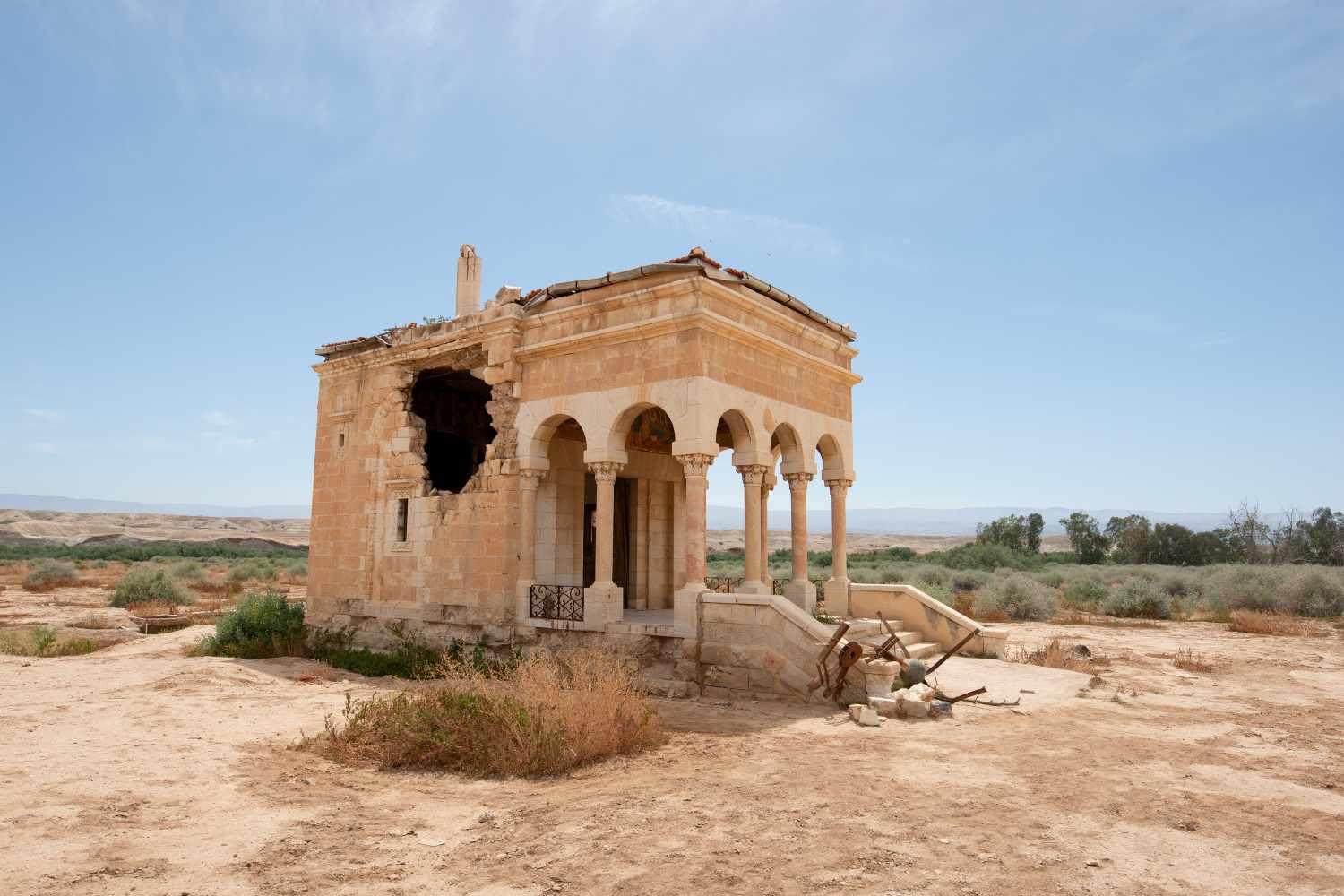
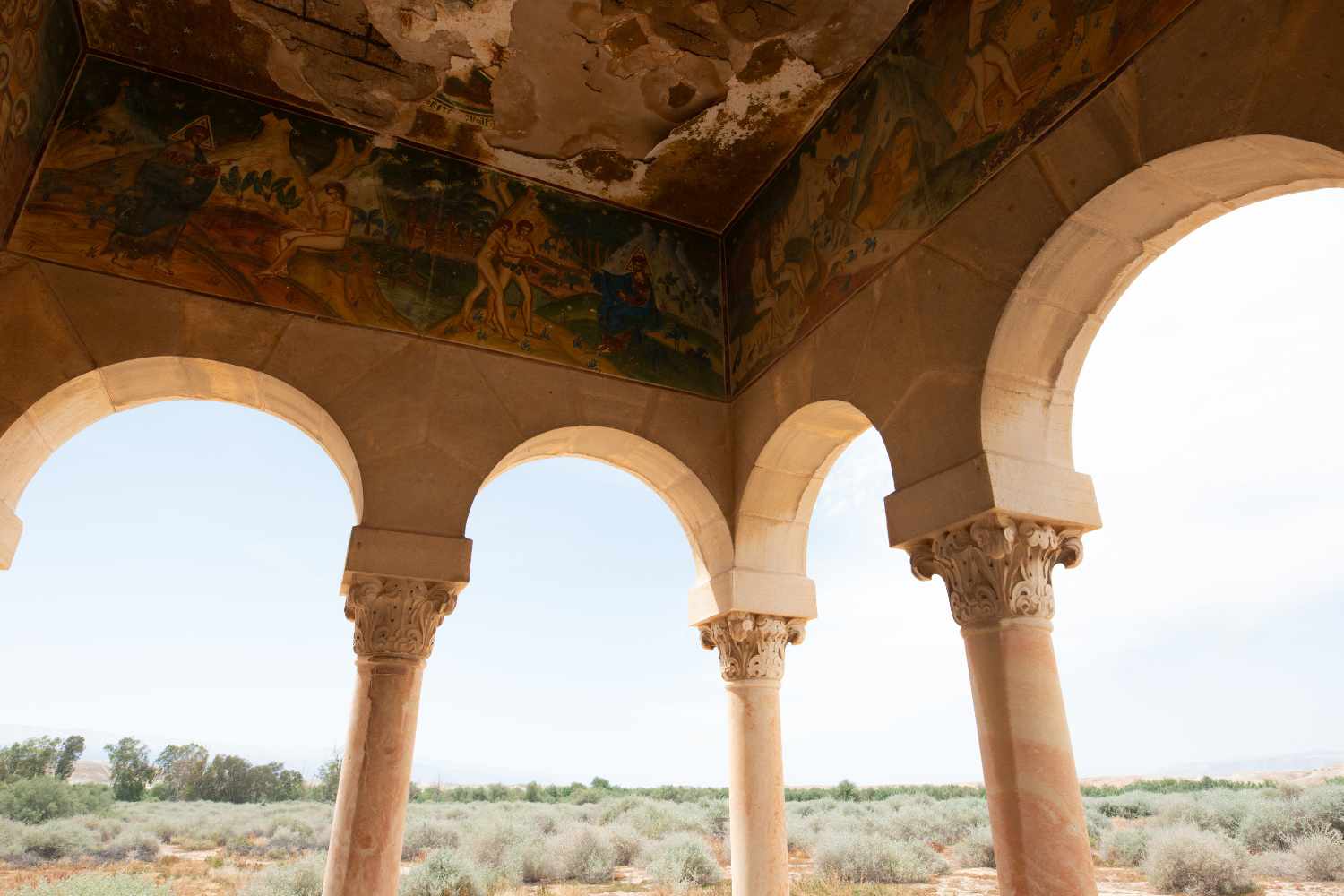
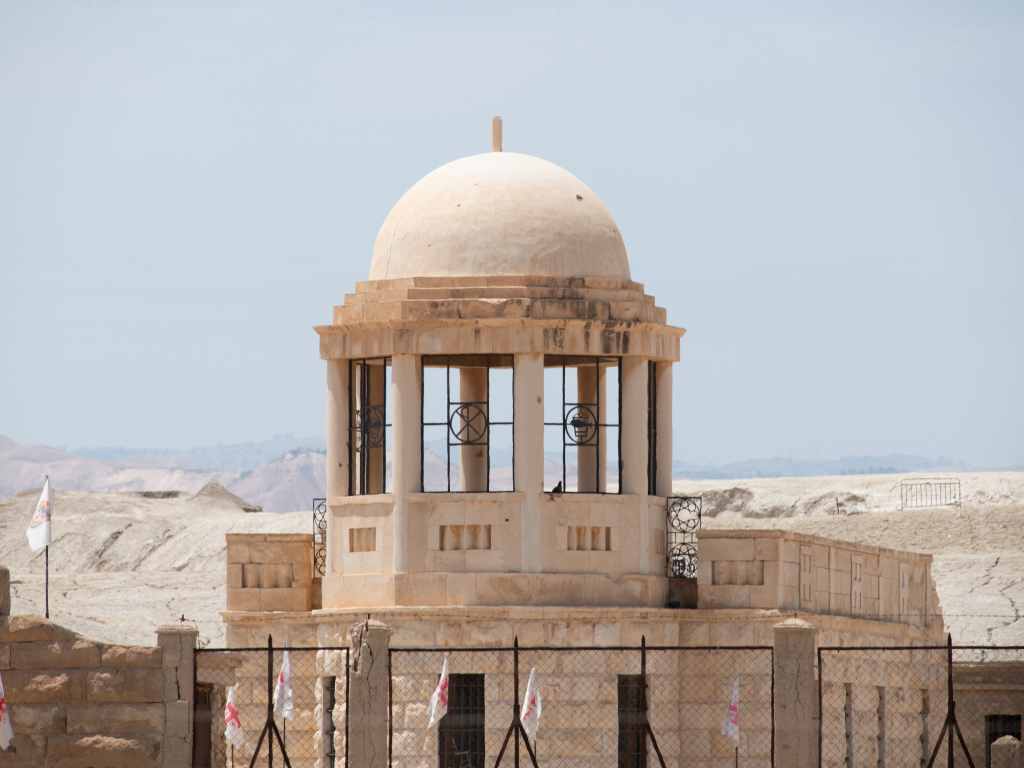
The Romanian Chapel at Qasr al-Yahud is a beautiful 1920s monastery complex belonging to the Romanian Orthodox Church. It’s notably the southernmost and last structure in the famous “Land of the Monasteries” area—and without a doubt, one of the most stunning. According to the latest updates, the site is expected to undergo a major renovation in 2027, funded by the Romanian government.
The Ethiopian Church is the largest monastery compound in this area, belonging to the Ethiopian Orthodox Tewahedo Church. Built in 1933 and later visited in 1936 by Ethiopian Emperor Haile Selassie, the site carries deep historical and spiritual importance. The emperor’s dynasty traditionally traced its roots back to the union of Queen of Sheba and King Solomon through their son Menelik. Haile Selassie himself was widely known as the “Conquering Lion of the Tribe of Judah.”
The Franciscan (Catholic) Monastery and Church of St. John the Baptist at Qasr al-Yahud carries a pretty incredible story. After standing closed and abandoned for 54 years, the chapel—originally built in 1935—was finally returned to the Franciscan Custody of the Holy Land, with the first Mass celebrated there once again on January 10, 2021.
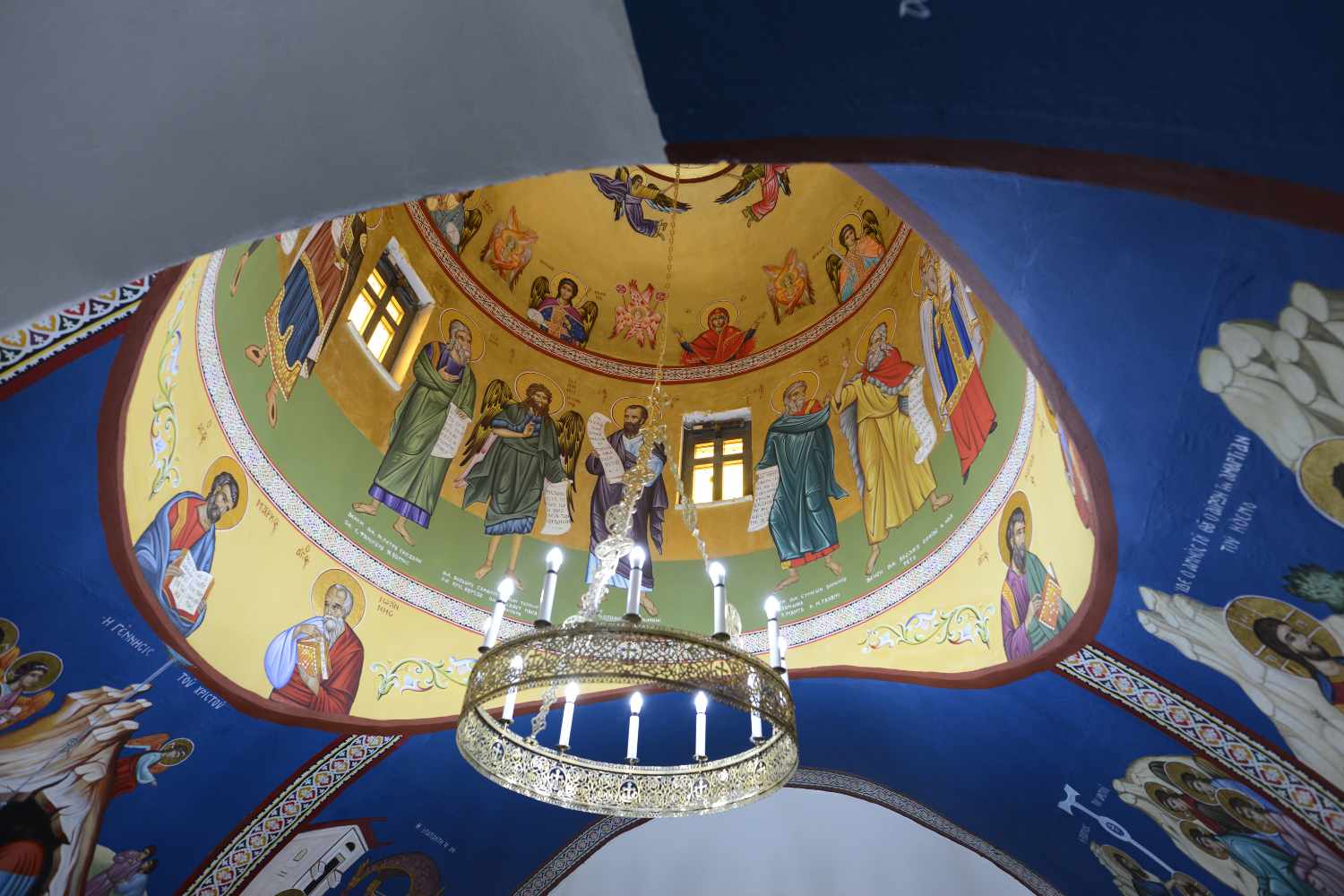
The only monastery that remained continuously active throughout the years is the Greek Orthodox monastery at Qasr al-Yahud, located on the hill overlooking the “Land of the Monasteries.” At this monastery, the Epiphany is celebrated on January 18th or 19th, featuring the “Great Blessing of the Waters” ceremony, which attracts especially large crowds of pilgrims and worshippers. Although the Greek Orthodox monastery is still active today, visits are always limited to groups and require advance scheduling.
Aside from the Greek Orthodox monastery, all of these churches and chapels have remained closed since the post-1967 period and the years known as the “Pursuits,” when access to the area became restricted due to terrorist raids and ongoing military tensions.