Megiddo and Armageddon, Mount Tabor and the Church of Transfiguration
Tel Megiddo – Intro
Tel Megiddo is one of Israel’s most fascinating archaeological sites and an especially popular destination for Christian visitors. Overlooking the beautiful Jezreel Valley, Megiddo was also one of the first major archaeological sites to be systematically excavated in Israel.
Excavations began in the early 20th century under Gottlieb Schumacher, a German Templer archaeologist who was part of Haifa’s German Colony community. Archaeological research at Megiddo has continued for more than a century and is still being carried out today, including by teams from Tel Aviv University.
Thousands of Years Beneath Your Feet
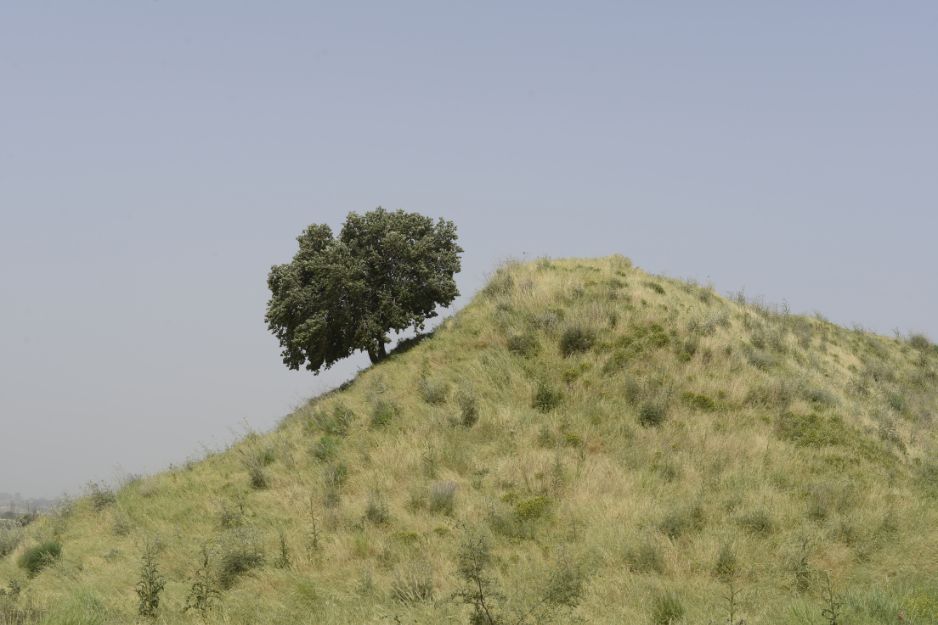
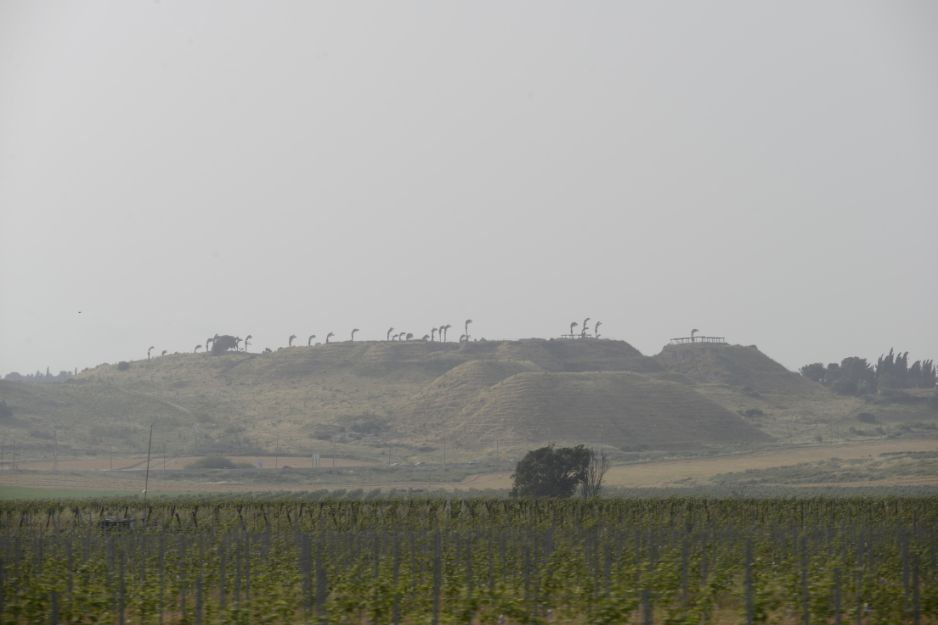
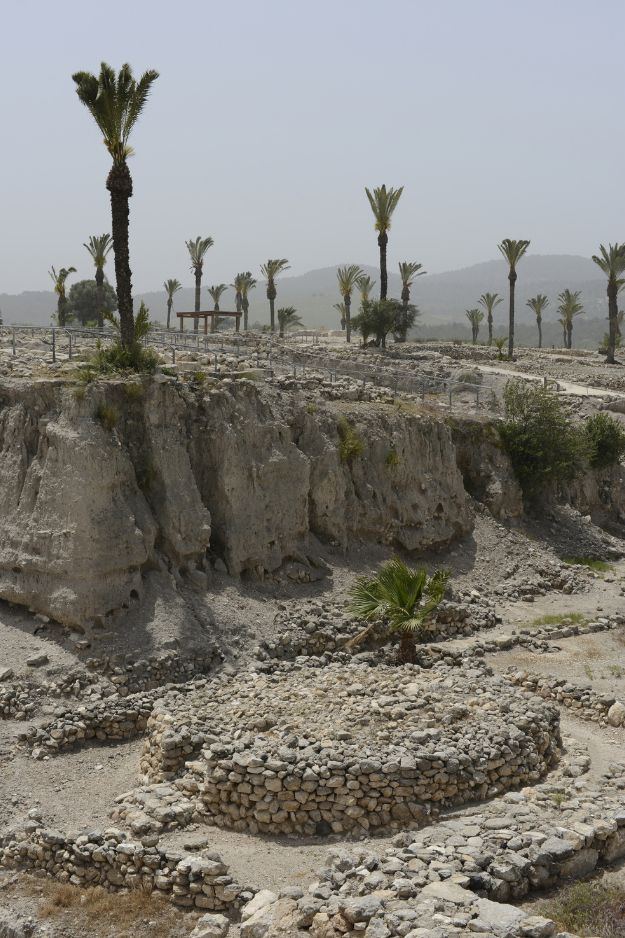
Megiddo is a classic tel—an artificial hill created as generations built new settlements over the remains of earlier ones. Archaeologists have identified around 30 settlement layers, representing some 4,000 years of continuous human activity.
The earliest settlement dates back to the Chalcolithic period, when small communities lived here through farming and raising domesticated animals. Over time, Megiddo developed into an important fortified city, thanks largely to its strategic position near the Via Maris, the ancient “Way of the Sea”—one of the region’s most important trade and military routes, connecting Egypt in the south with Syria and the great empires farther north.
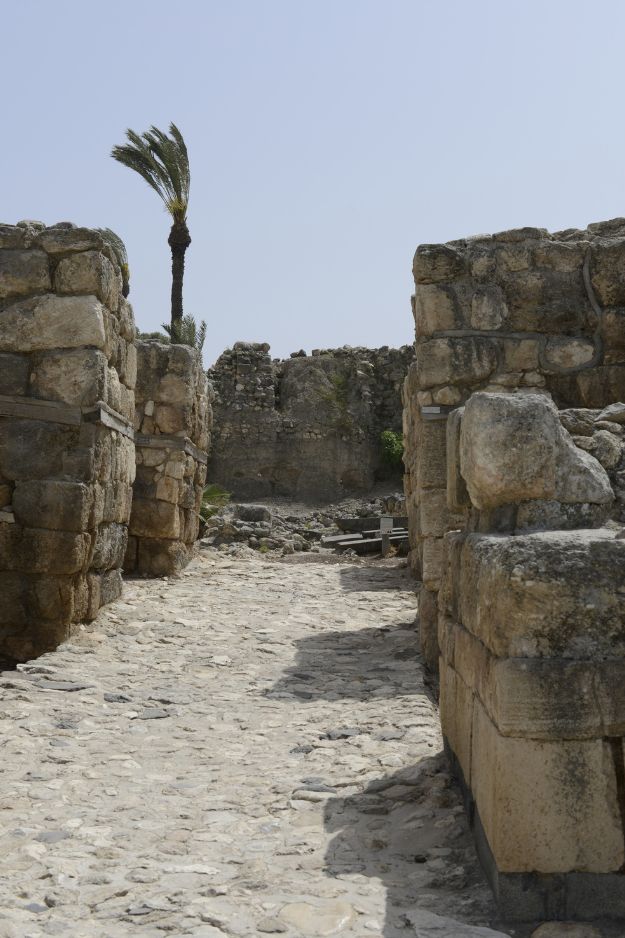
Several fascinating remains can still be explored today. Among them are the monumental city gates, traditionally associated with the period of King Salomon, and the famous Ivory Palace, where archaeologists discovered hundreds of beautifully carved ivory objects and decorative pieces.
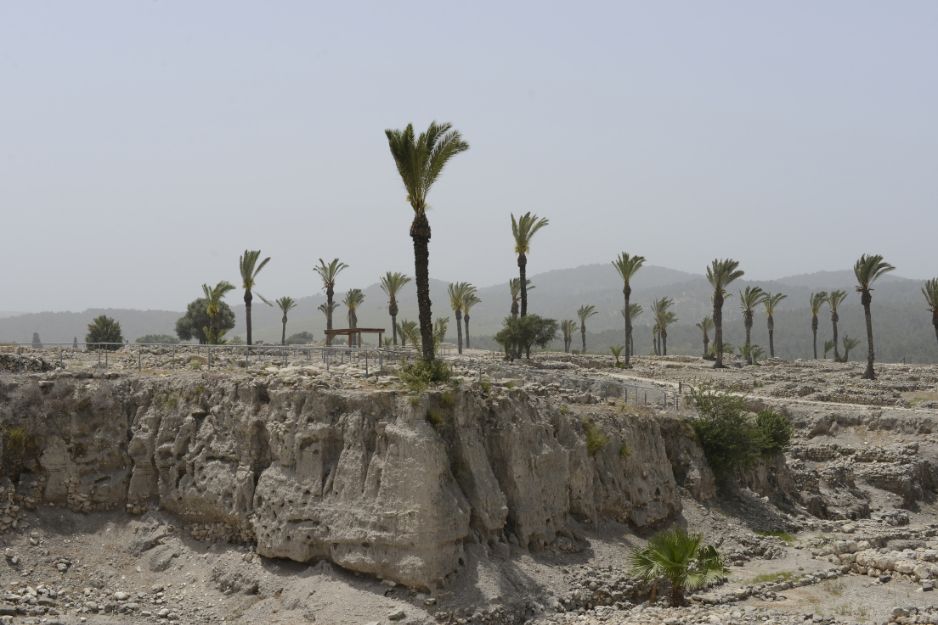
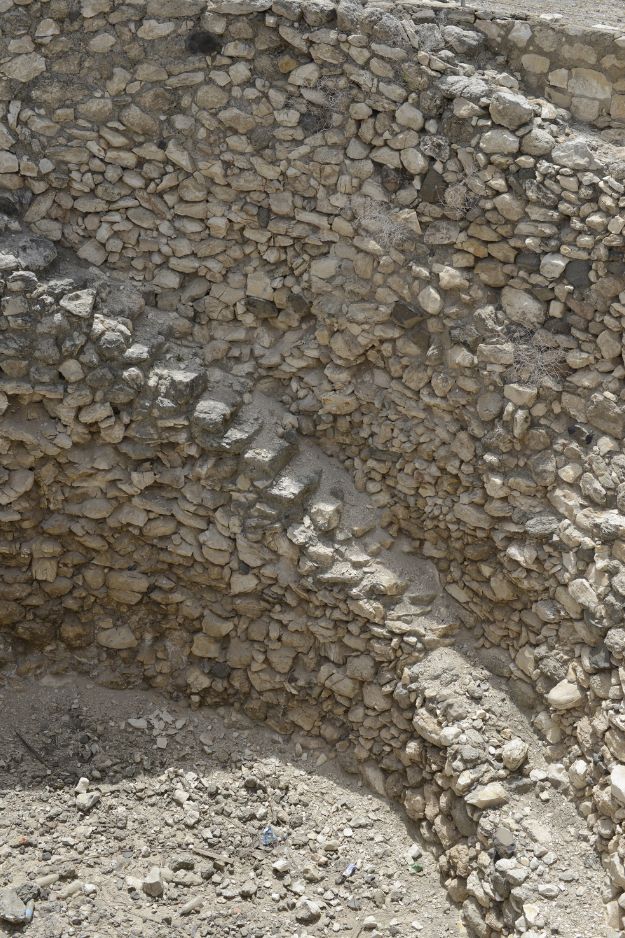
One of the most striking features of the site is the enormous excavation trench created by the University of Chicago expedition, which worked at Megiddo from the 1920s until the outbreak of World War II. The excavations, supported by Rockefeller funding, attempted to uncover the different layers of the ancient city and connect archaeological discoveries with the historical world described in the Bible.
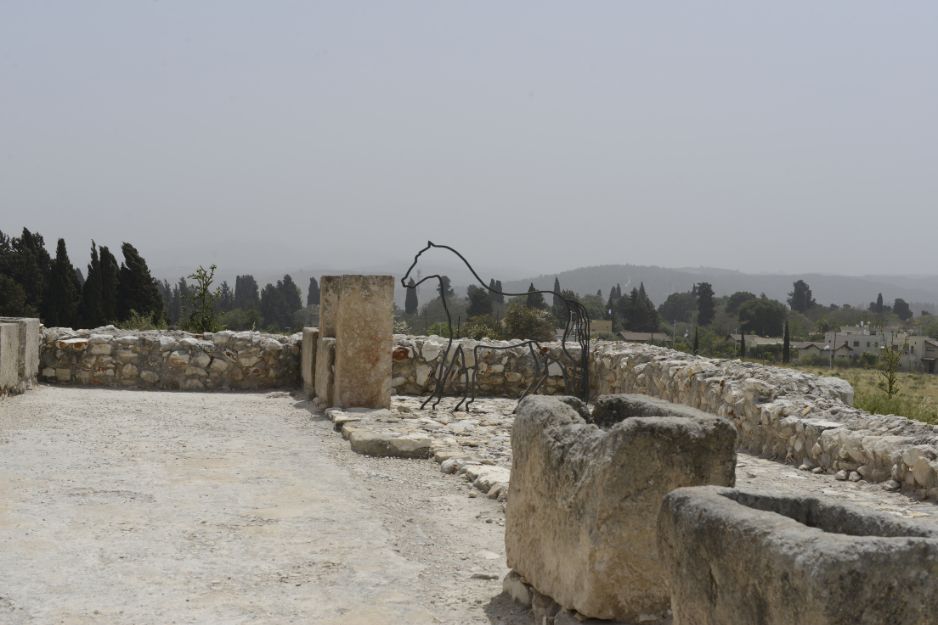
Another fascinating part of the site is the remains known as the Megiddo Stables, generally associated today with the Israelite monarchy and often linked with the period of King Ahab. Their discovery supports the idea that, during part of its history, Megiddo served not simply as a residential city but also as an important fortified military and administrative center.
Megiddo’s Underground Water System
For us, one of the absolute highlights of Tel Megiddo is its remarkable ancient water system.
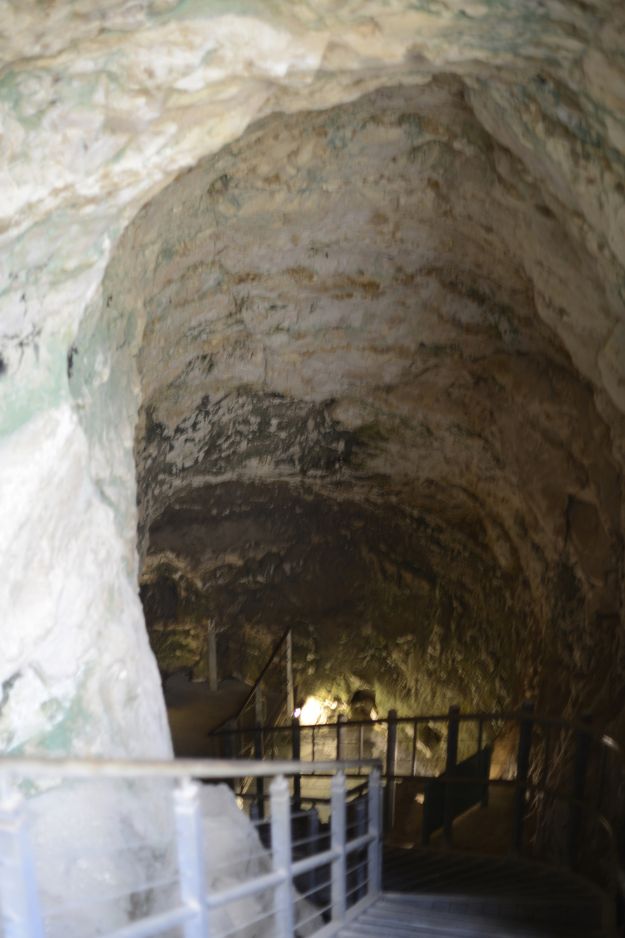
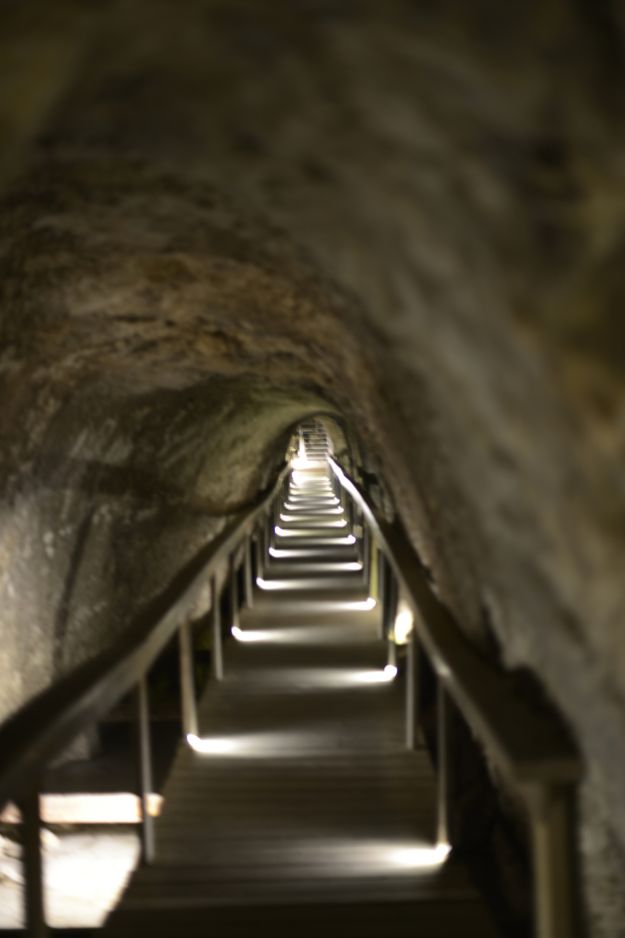
A huge shaft was cut deep into the rock and connected to a tunnel leading toward a spring outside the ancient city walls. This ingenious system allowed Megiddo’s inhabitants to reach their water supply without leaving the protection of the fortified city.
Walking down into the enormous shaft and continuing through the rock-cut passage toward the hidden spring is one of the most impressive experiences at Tel Megiddo.
Megiddo, Armageddon and Christianity
Why is Megiddo such an important place in Christianity? Well, the answer could hardly be simpler: Armageddon.
The Hebrew name Har Megiddo, meaning “Mount of Megiddo,” is generally considered the origin of the name Armageddon, mentioned in the Book of Revelation, Chapter 16:
“Then they gathered the kings together to the place that in Hebrew is called Armageddon.”
— Revelation 16:16
The passage continues with a dramatic vision of lightning, thunder, a tremendous earthquake and the collapse of cities as the seventh angel pours out his bowl.
Over the centuries, Armageddon became associated in Christian tradition with the final confrontation between the forces of good and evil—the ultimate battle between sons of light and darkness before the end of the time.
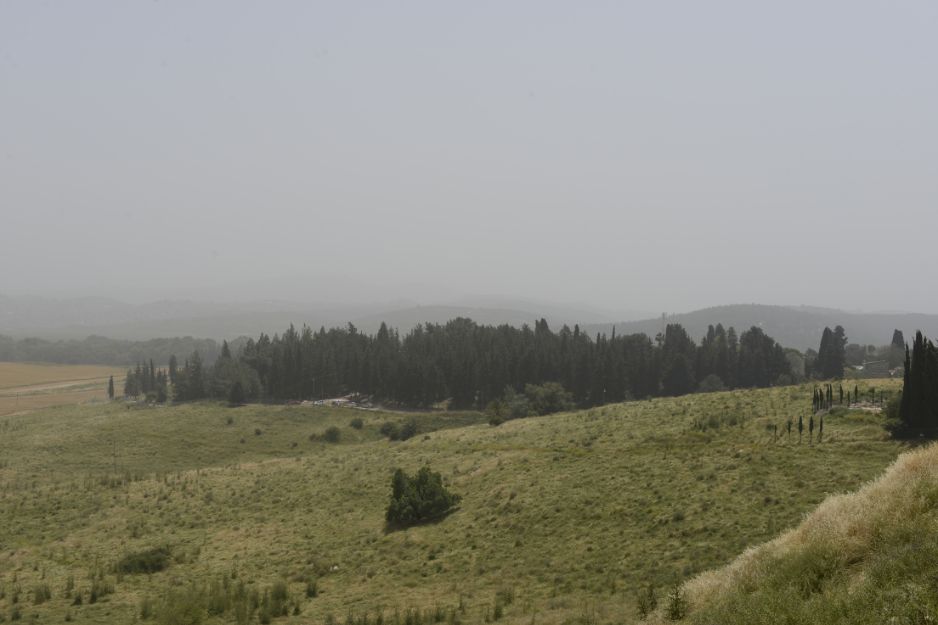
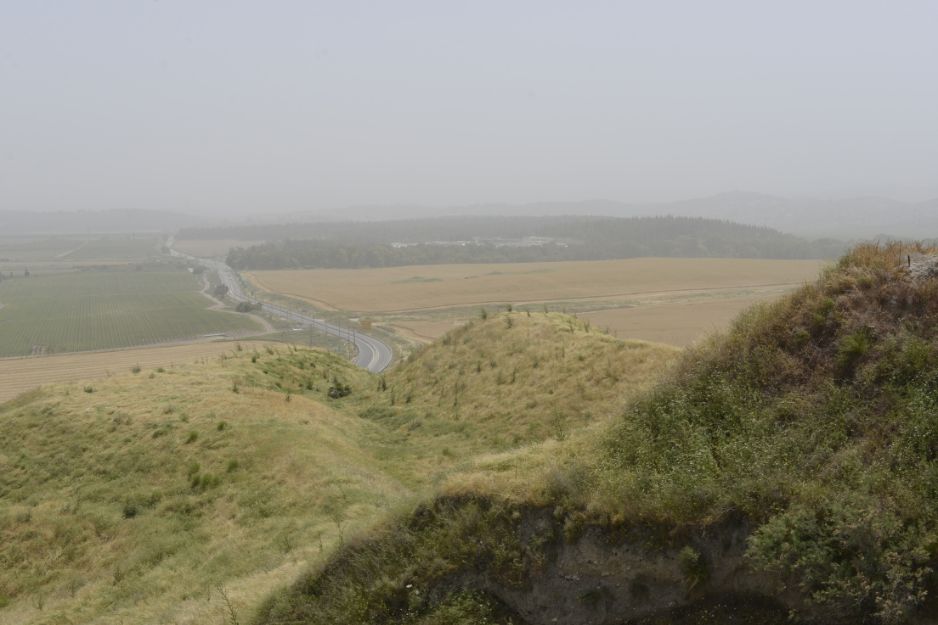
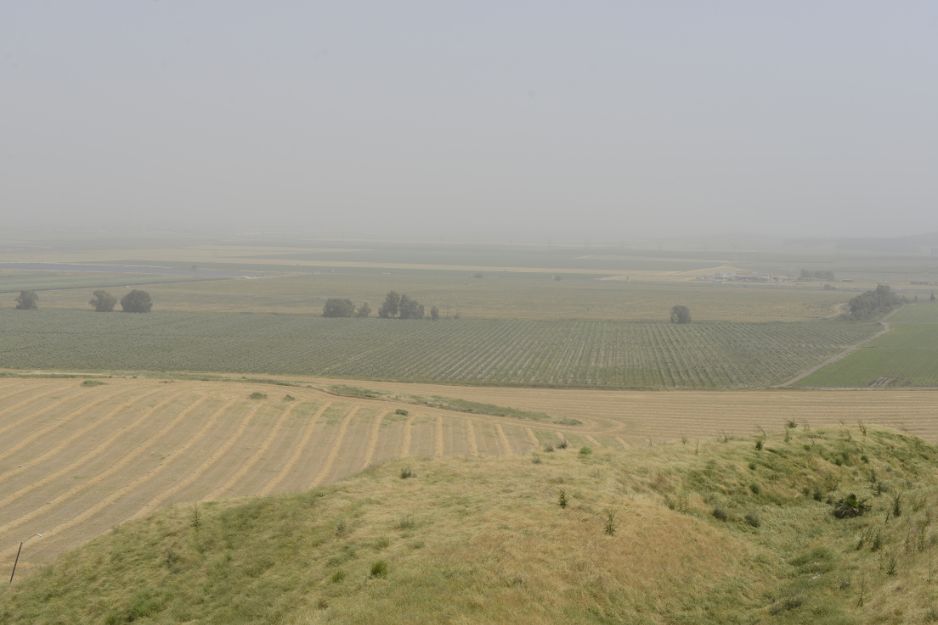
Standing on Tel Megiddo and looking across the enormous Jezreel Valley, it is easy to understand why this landscape captured the imagination of generations of believers.
We happened to visit on a day when a powerful desert storm was sweeping across the valley. Dark skies, strong winds and clouds of dust completely transformed the landscape. For a moment, with the whole valley stretched out beneath us, the biblical imagery of Armageddon suddenly felt surprisingly vivid.
Could this really be the setting for the final battle?
Who knows?!
Combine a visit to Megiddo with Mount Tabor
In 2005, Tel Megiddo was declared a Unesco World Heritage Site.
Tel Megiddo offers wonderful views across the Jezreel Valley, toward the Nazareth Hills and Mount Tabor, another major Christian landmark about 30 km away. Mount Tabor and the Church of the Transfiguration atop make an excellent combination with Megiddo, for a full day exploring with a focus on Christian history and heritage.
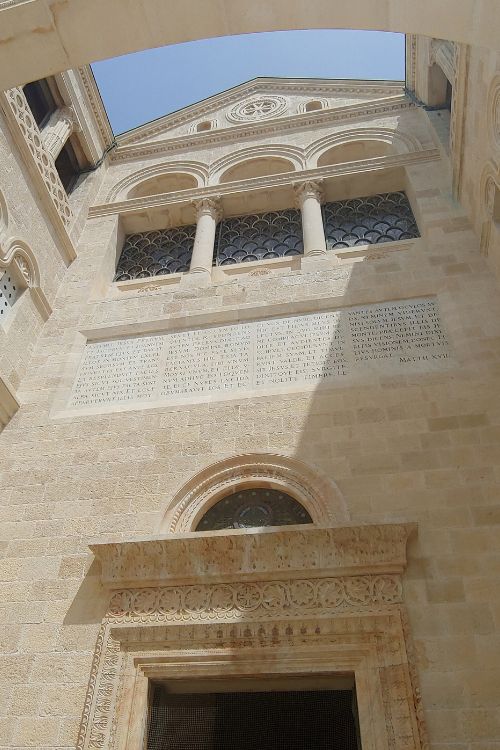
Mount Tabor (Tavor)
Just 30 km from Megiddo rises Mount Tabor (Tavor), reaching an elevation of 562 meters above the Lower Galilee in northern Israel. Its prominent location overlooking the Jezreel Valley placed it near the ancient Via Maris, an important trade route connecting Damascus and the north with the Mediterranean coast, giving the mountain considerable strategic importance throughout history.
During the Second Temple period, Mount Tabor was one of the high points where signal fires were traditionally lit to announce the beginning of a new Jewish month.
Because of its importance in Christian tradition, Mount Tabor became a major pilgrimage destination from the 4th century onward. During the Crusader period, control of the mountain changed hands several times between Christians and Muslims. Beginning in 1099, the Crusaders fortified the area surrounding the church and monastery on the summit.
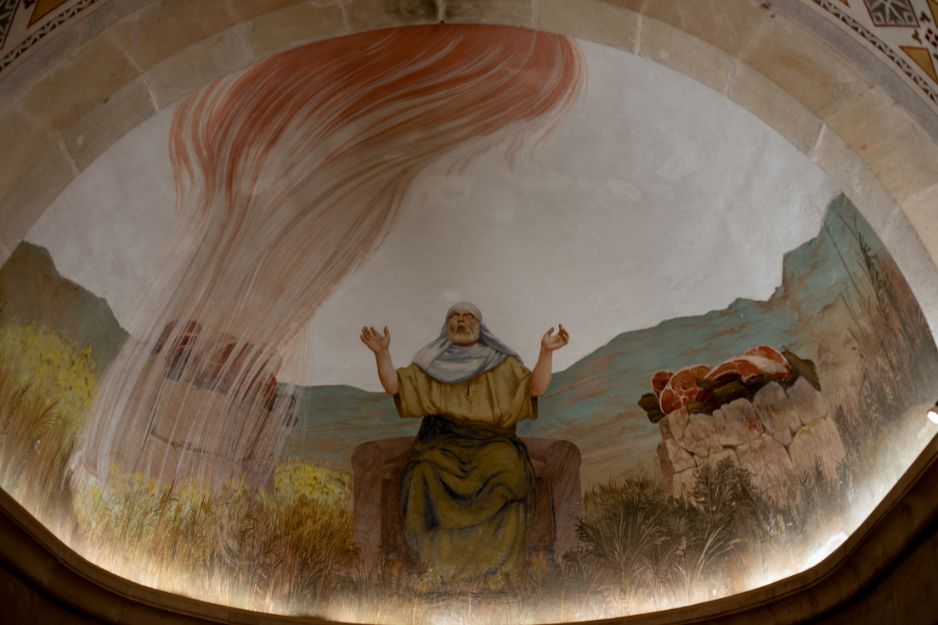
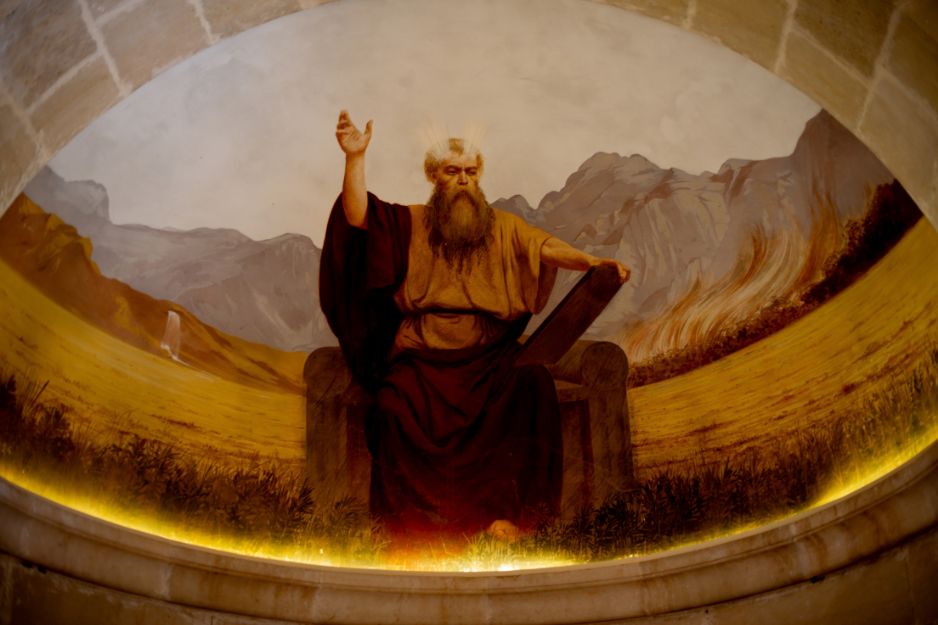
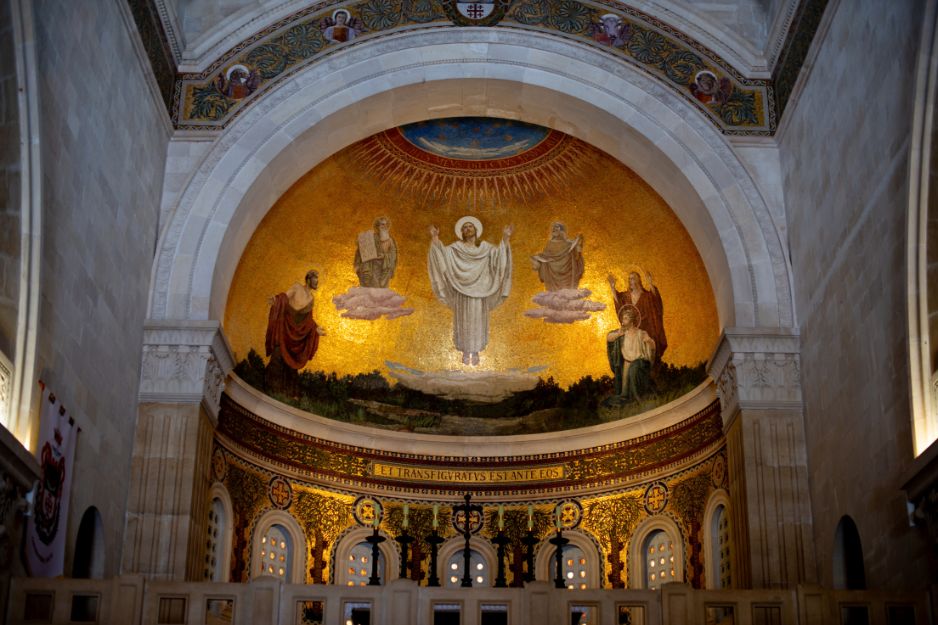
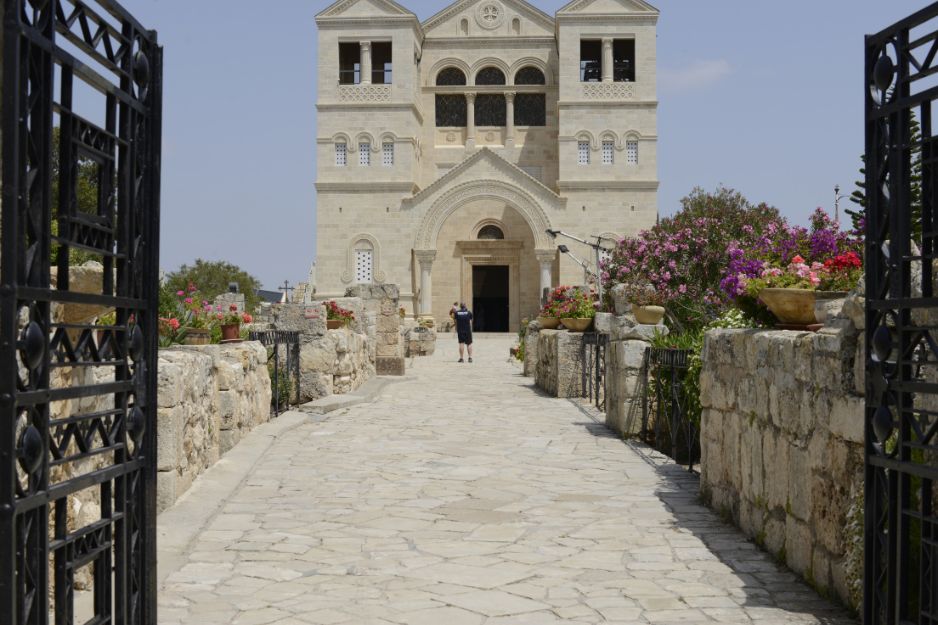
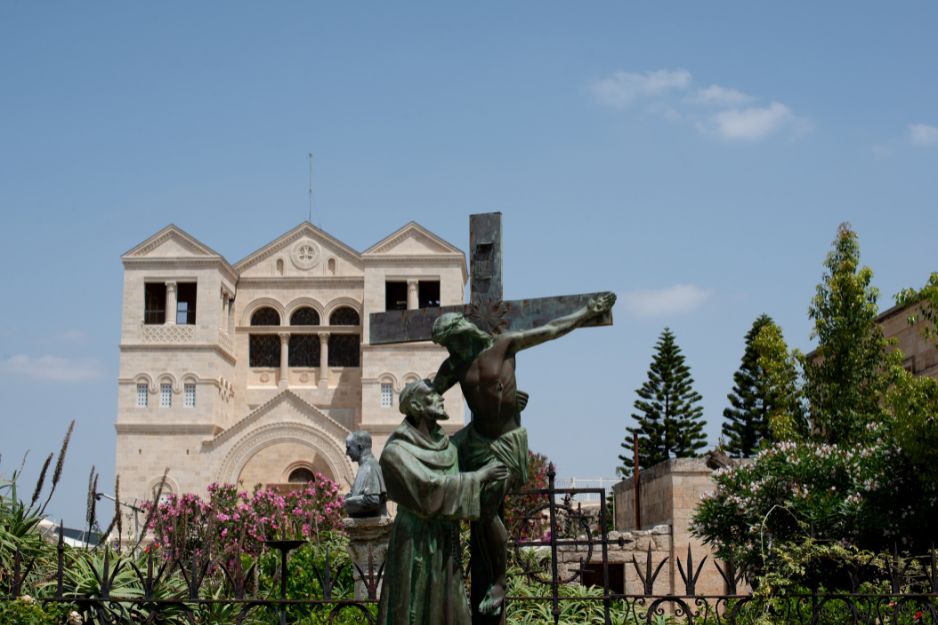
The Transfiguration of Jesus
According to Christian tradition, Mount Tabor is the site of the Transfiguration of Jesus. Jesus climbed the mountain with several of his disciples, where he was transfigured before them and appeared speaking with Moses and Elijah. A voice from heaven proclaimed Jesus as the Son of God, reaffirming his divine identity. The event is described in the New Testament, including the Gospel of Mark, Chapter 9, and parallel Gospel accounts.
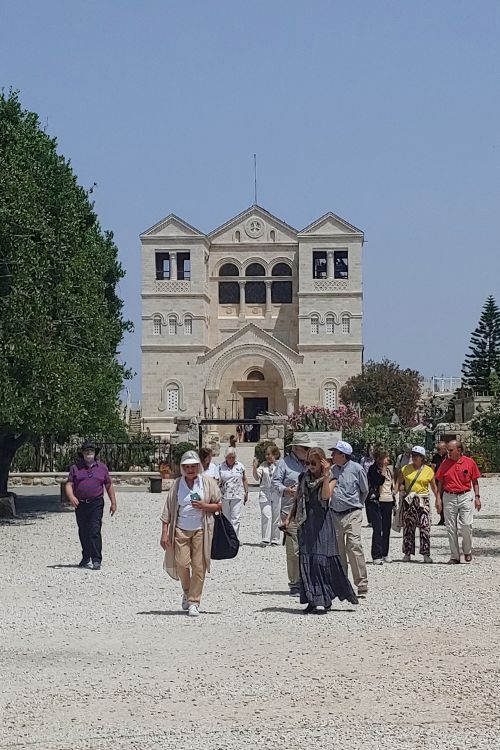
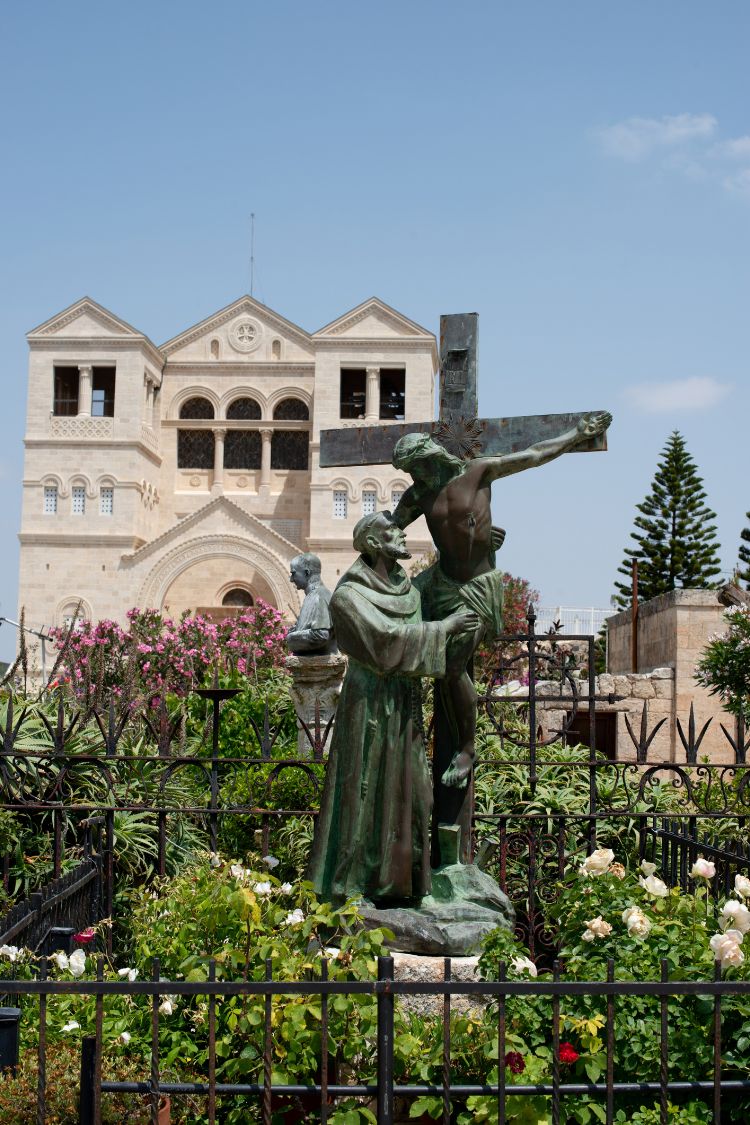
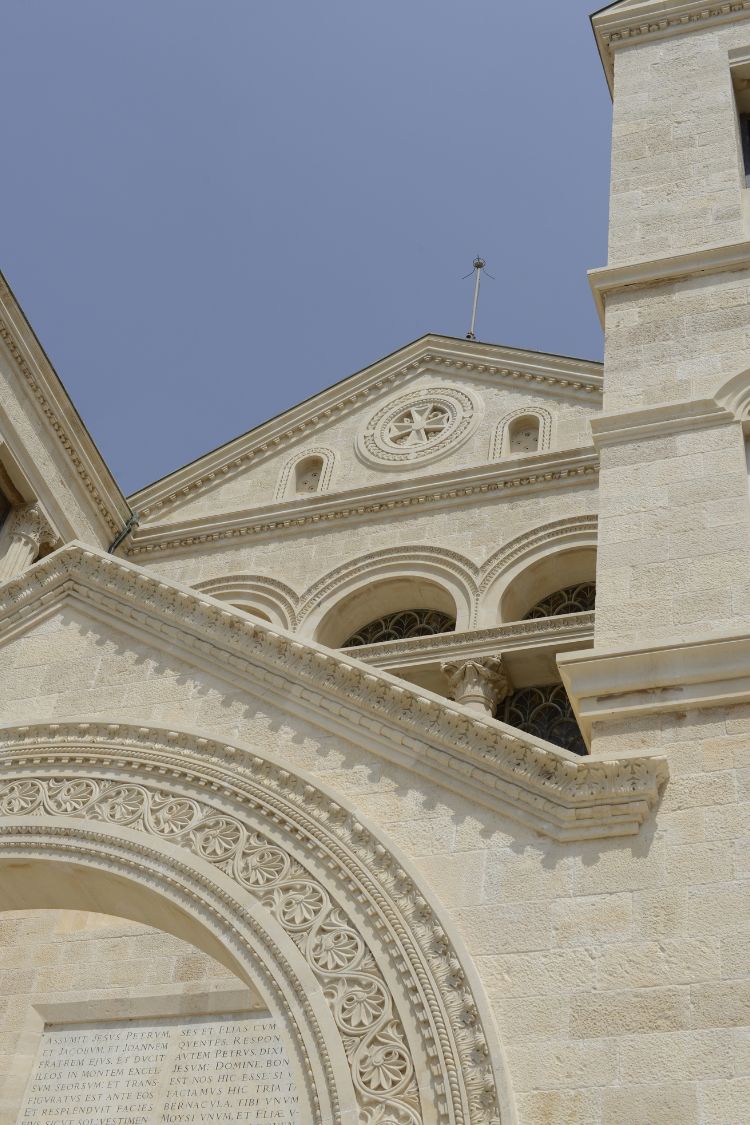
Today, the summit is home to the impressive Catholic Church of the Transfiguration, one of the most important Christian pilgrimage sites in the Galilee.
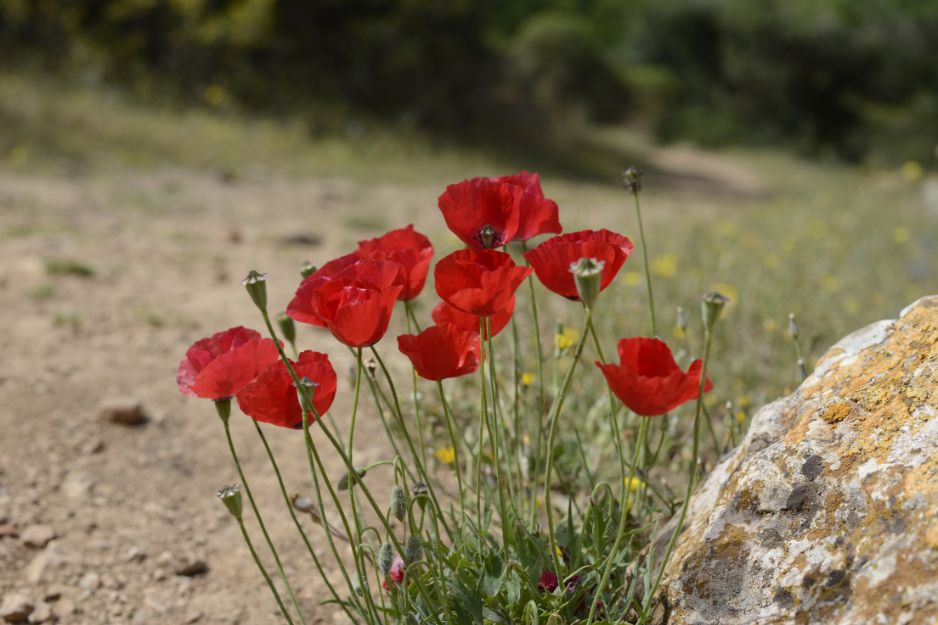

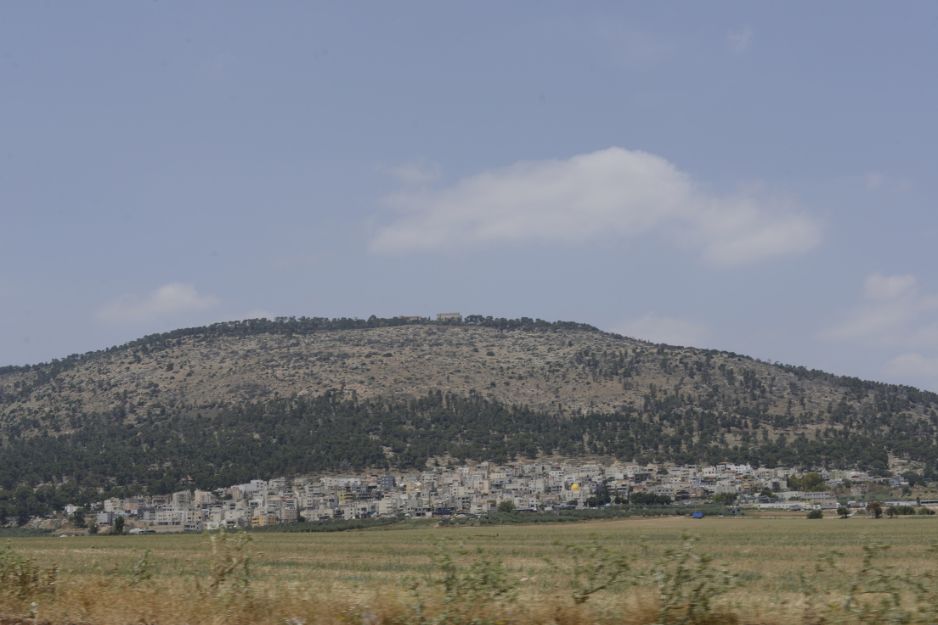
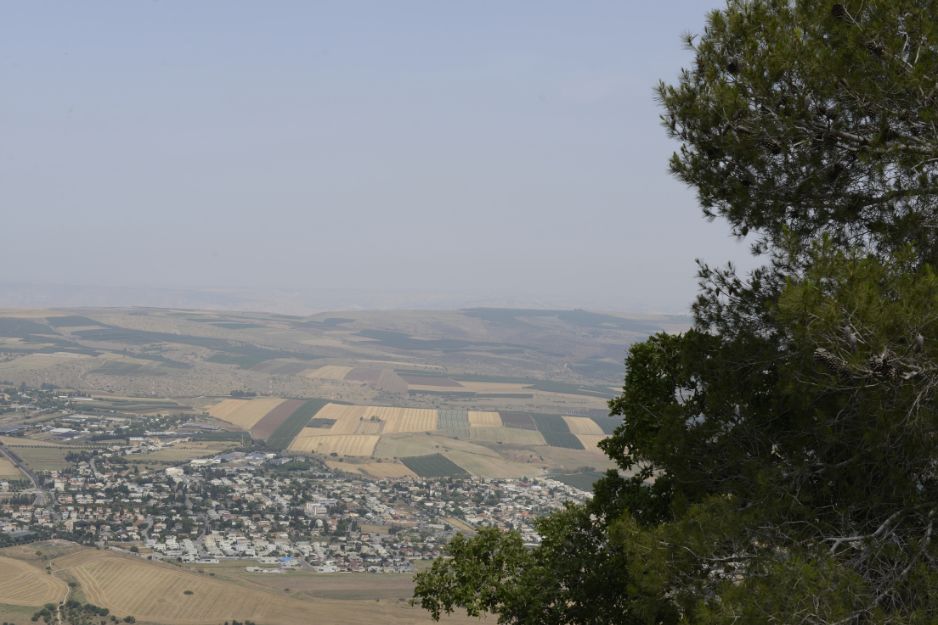
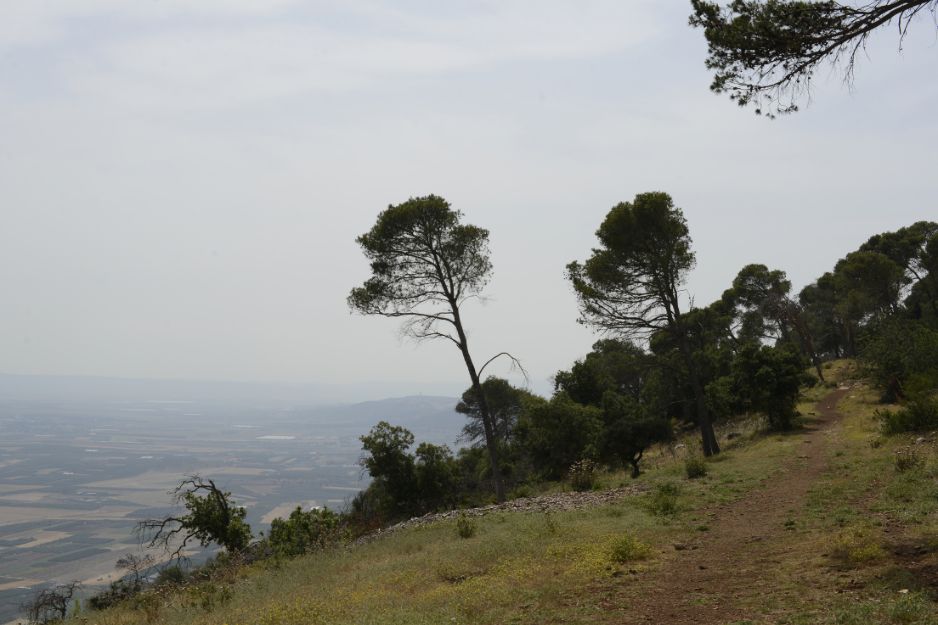
Views & Walking Around Mount Tavor
The summit is surrounded by beautiful Mediterranean woodland and offers spectacular 360-degree panoramic views. To the west stretches the Jezreel Valley, while to the east you can see toward the Jordan Valley. Looking north on clear winter days, you may even catch views of the snow-covered heights of the Golan.
A circular walk around the summit takes approximately 45 minutes. The trail is relatively easy and not particularly physically demanding, while the spectacular scenery makes it one of the most enjoyable short walks in the Lower Galilee.
Mount Tabor Summit
Reaching its summit is an experience in itself. The summit can be reached by private car or by minibus from the Arab village of Daburiyya at the foot of the mountain. The narrow, steep, and winding road leading upward can be challenging, with a series of sharp hairpin bends requiring careful driving.
For those considering reaching the summit on foot, be prepared for a considerably more demanding climb. The steep ascent is best suited to experienced and physically fit hikers.