Hulda Gates and Steps at Davidson Center
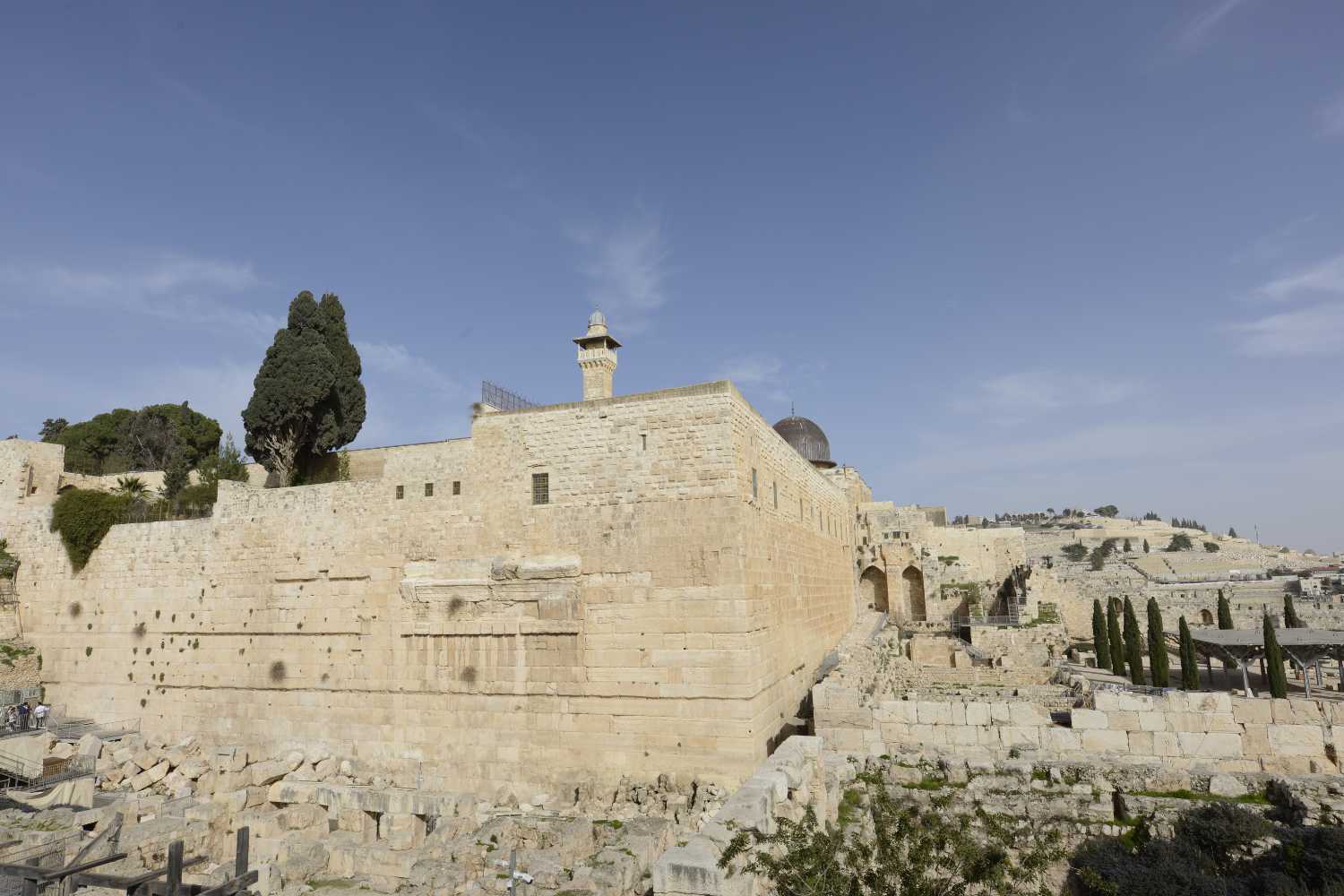
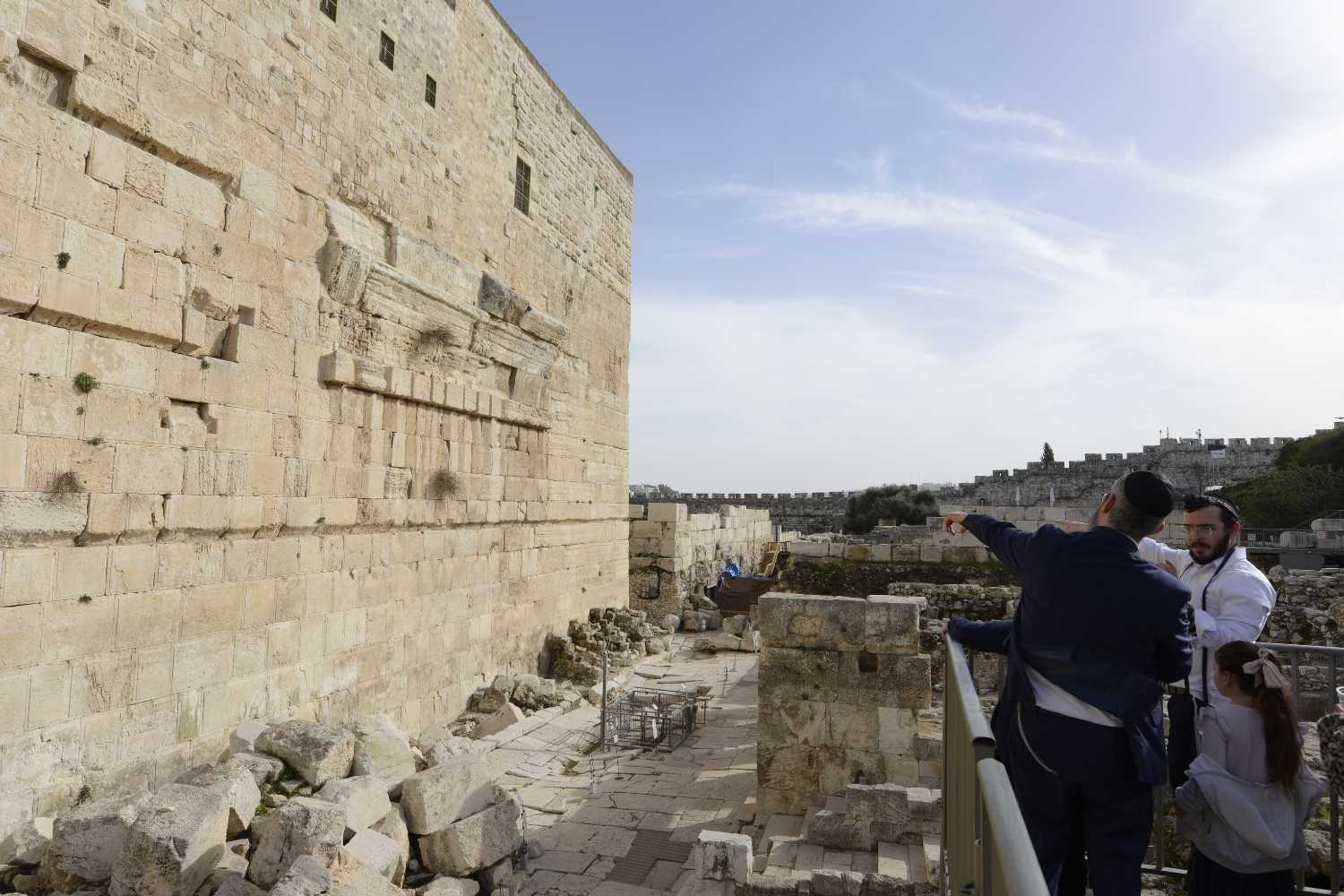
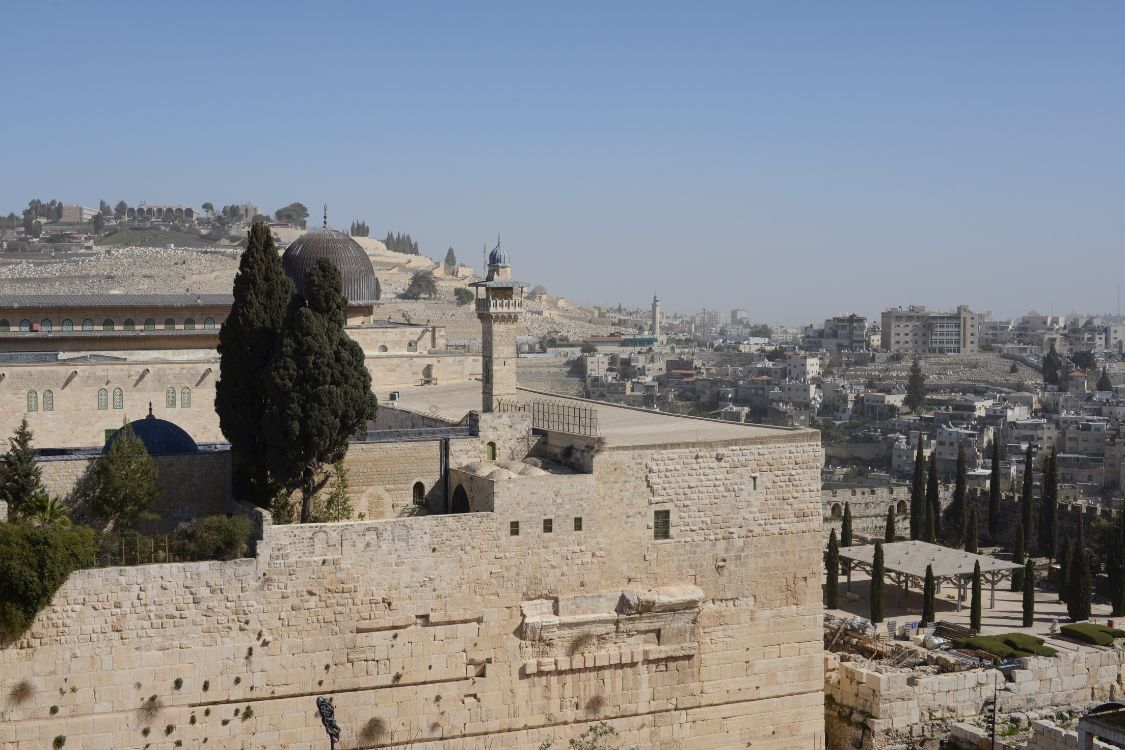
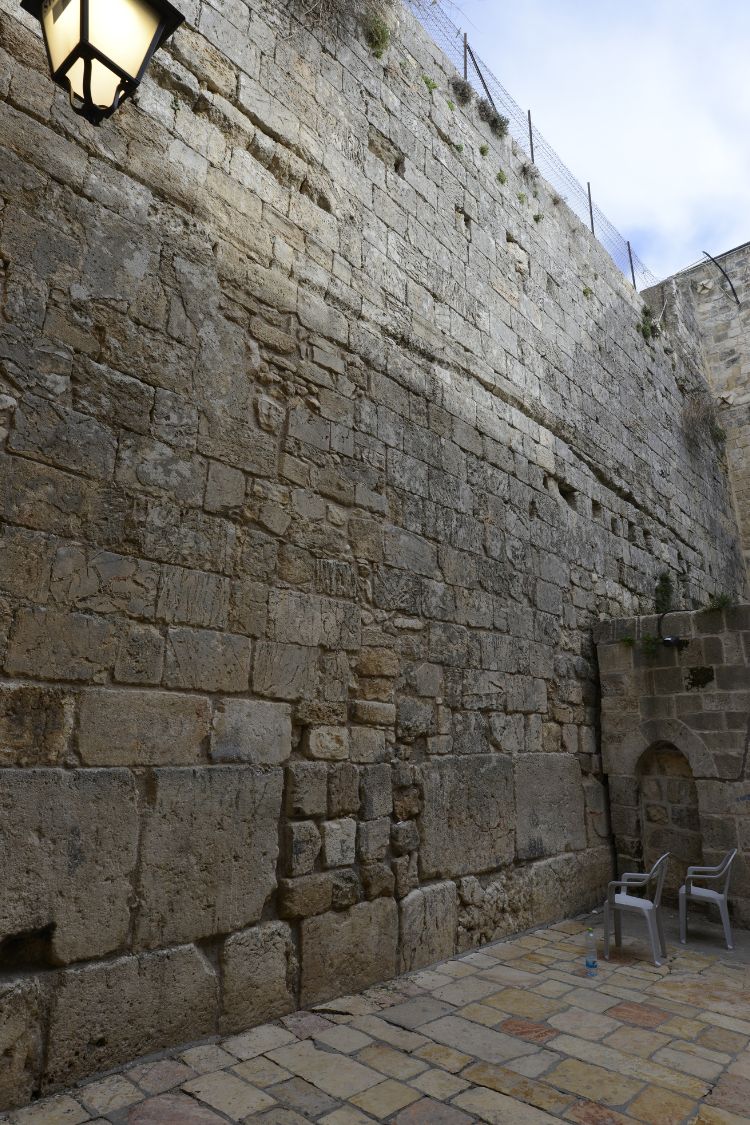
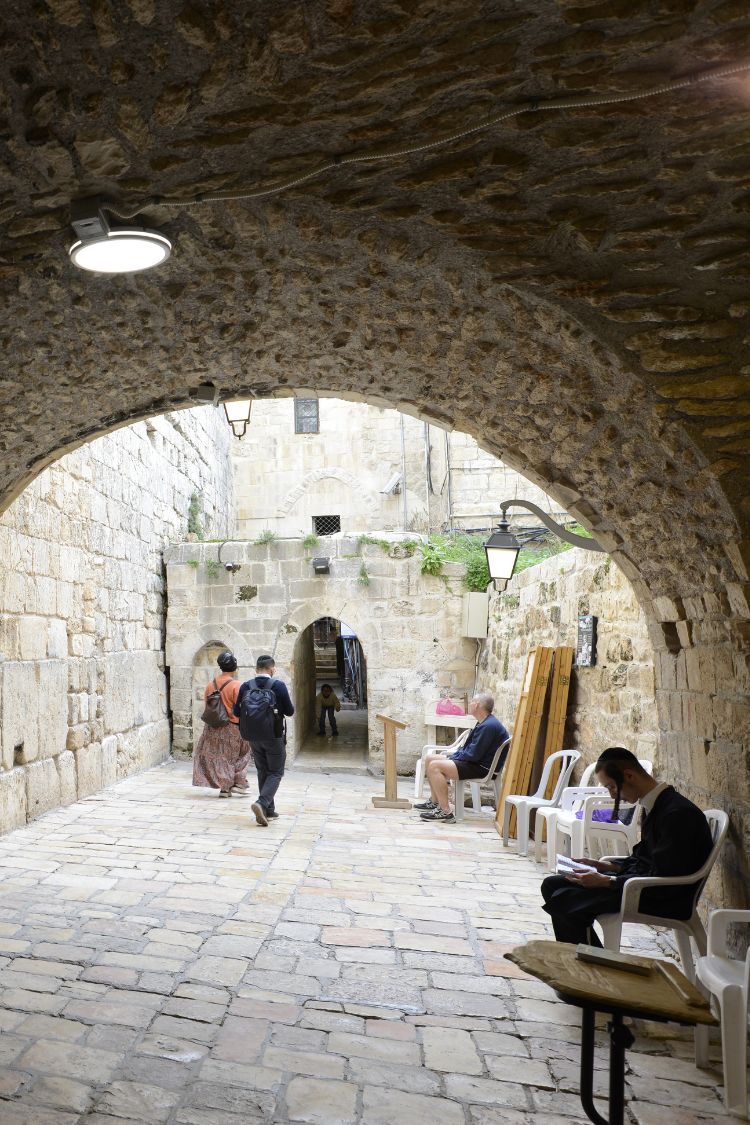
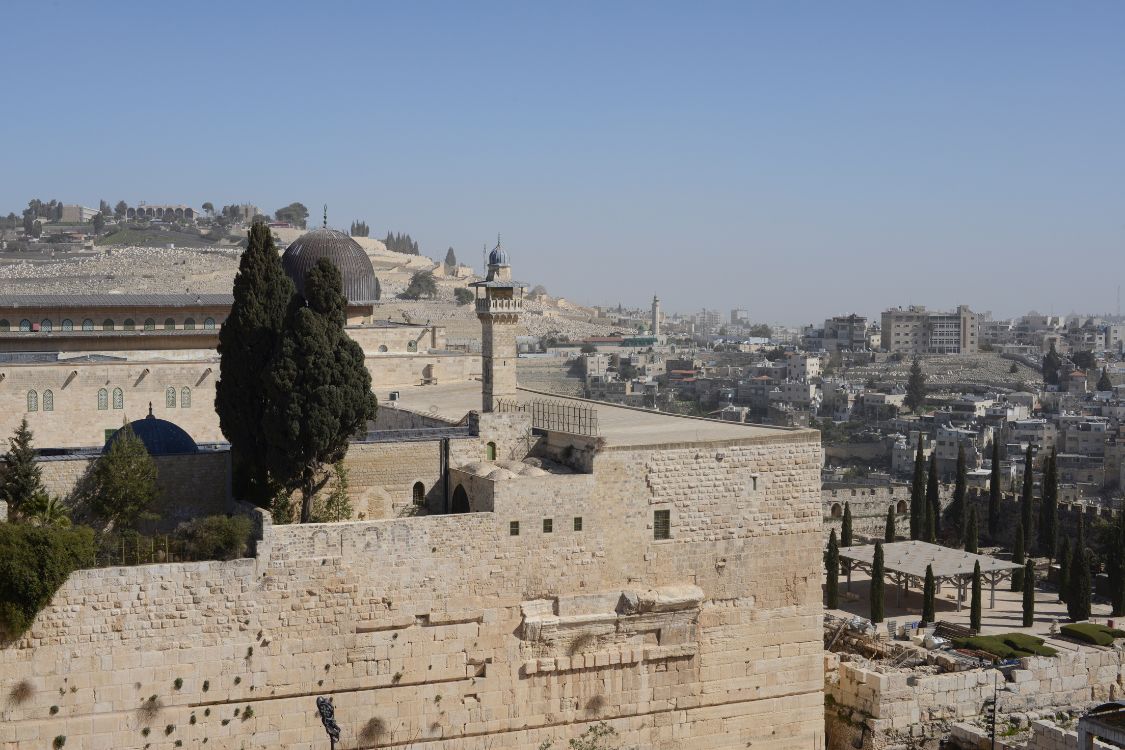
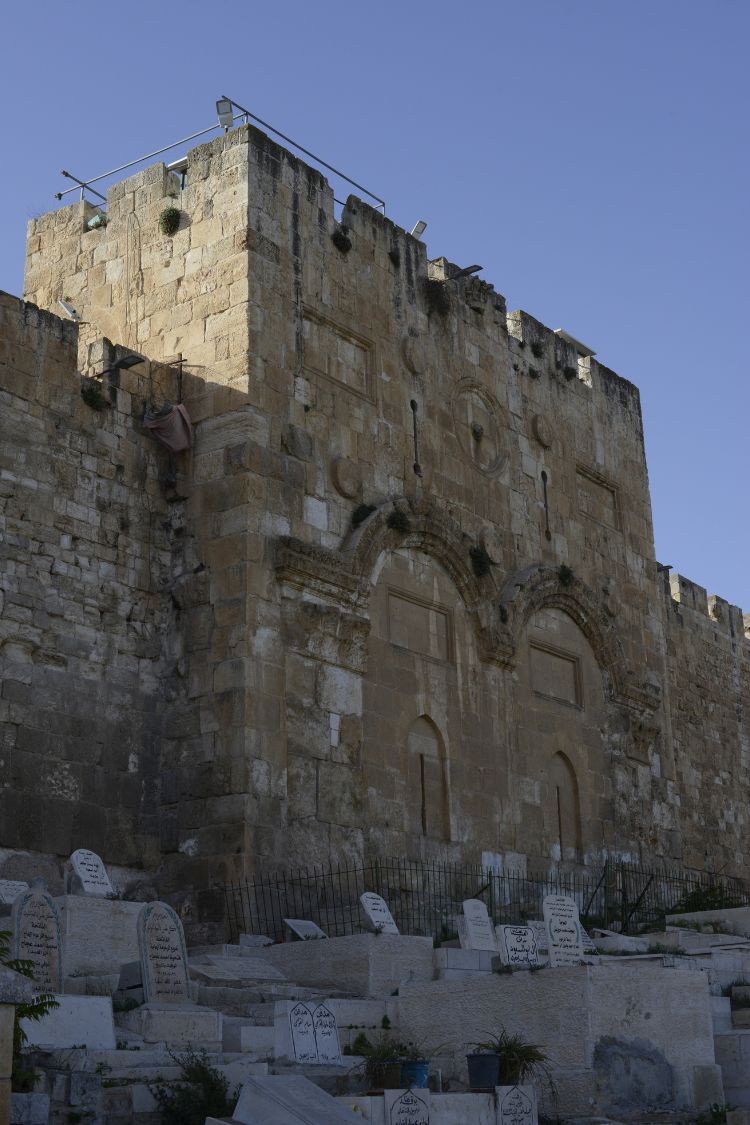
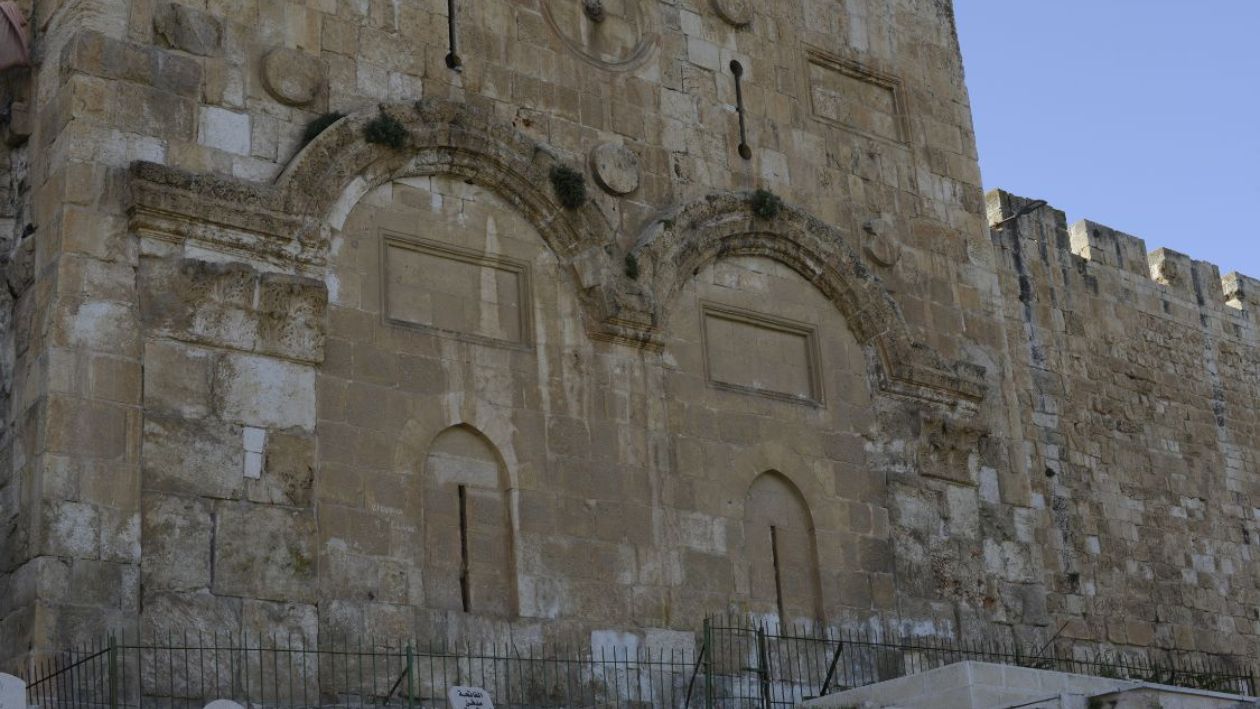
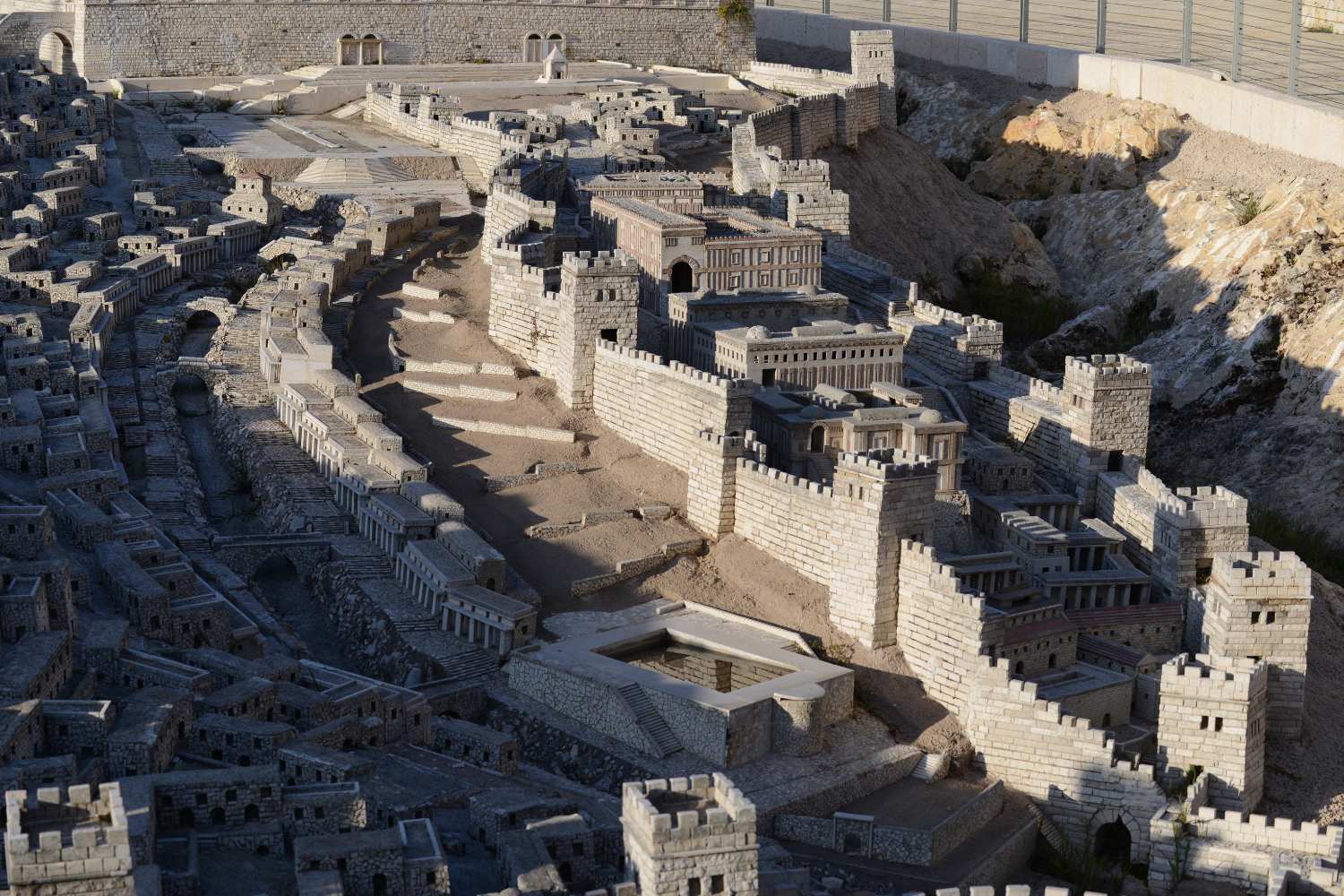
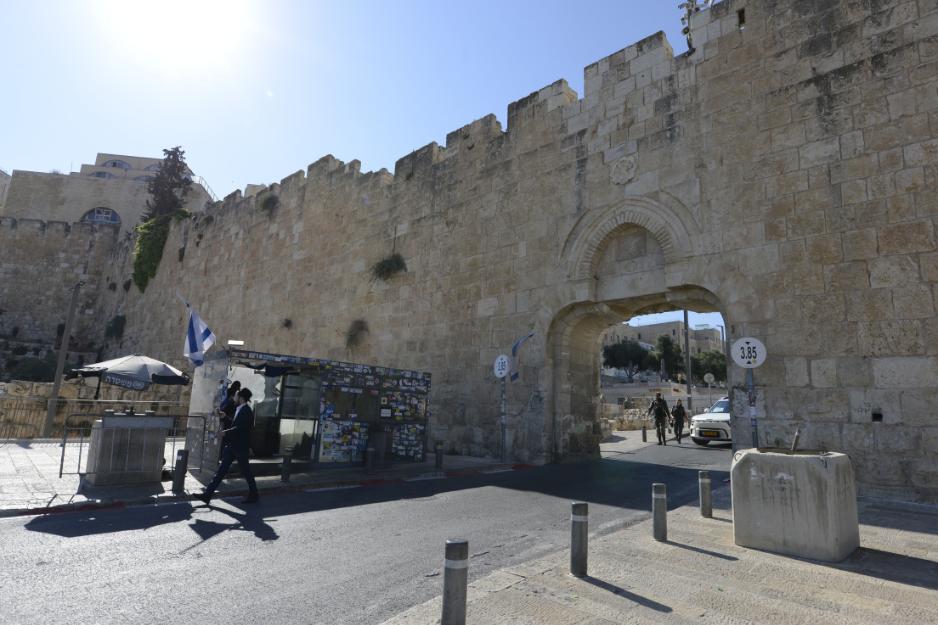
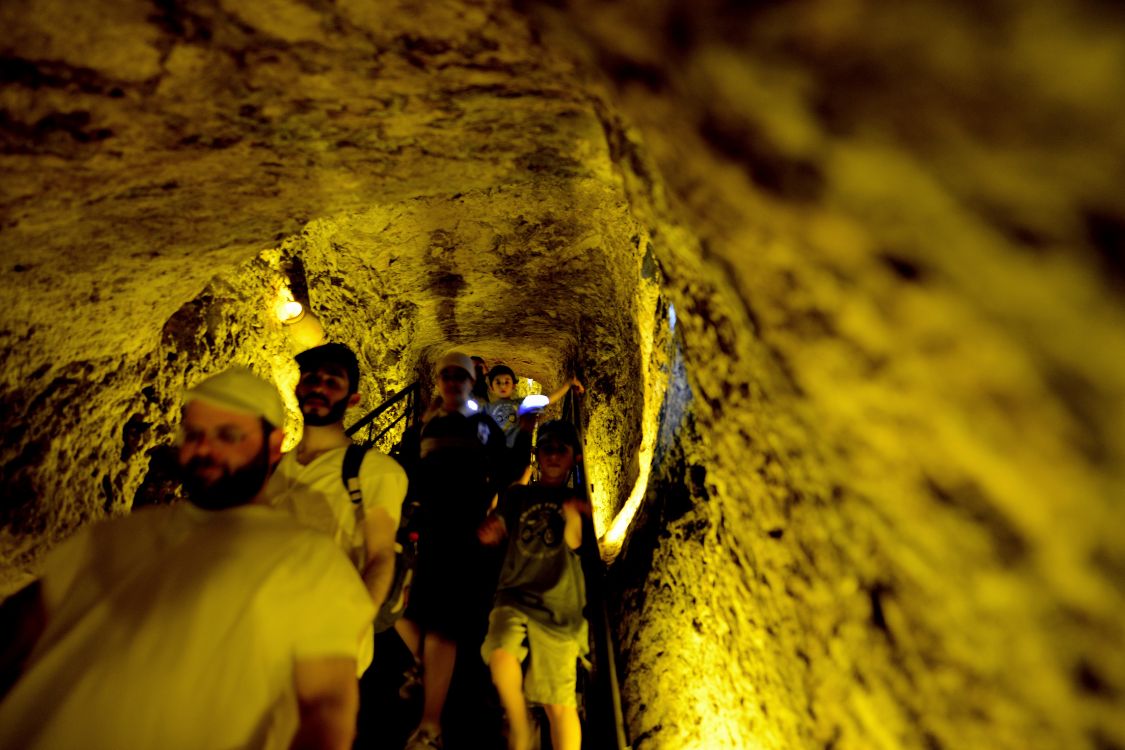
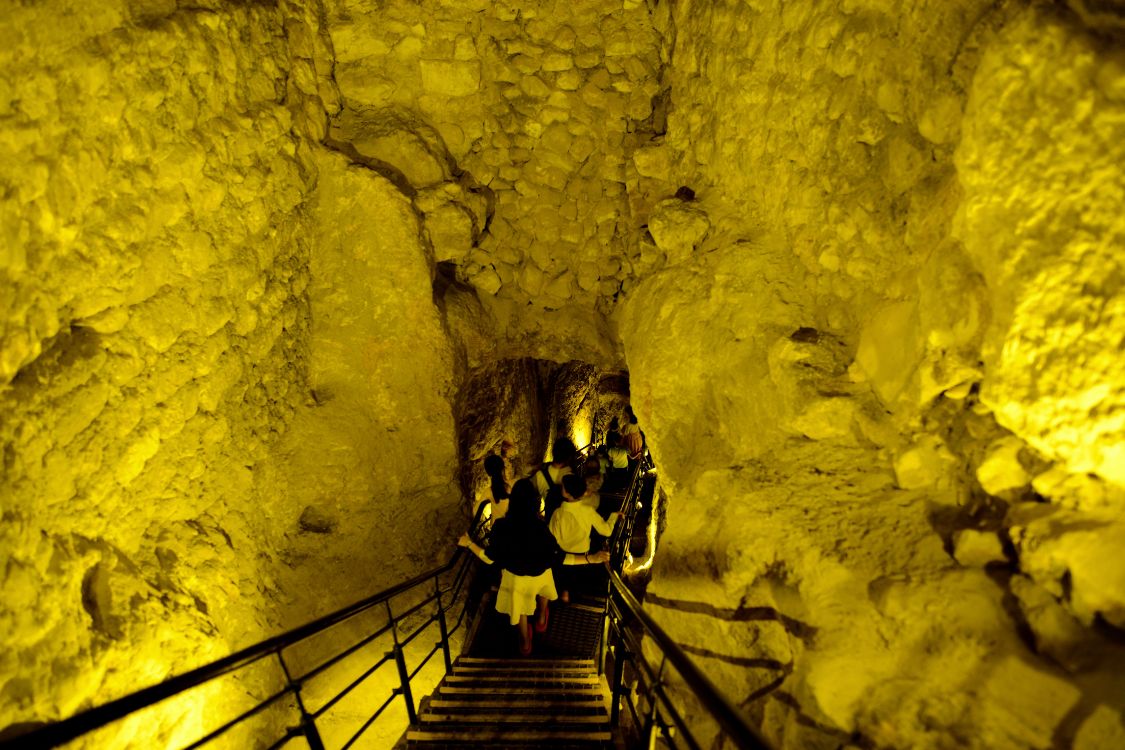
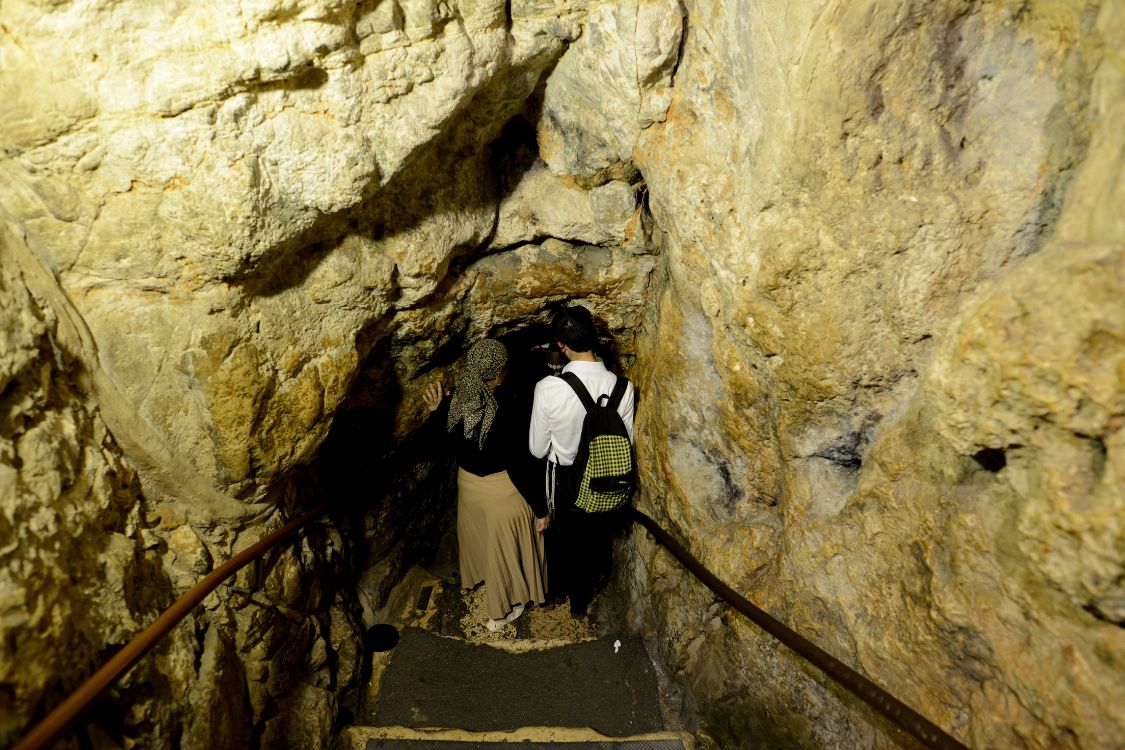
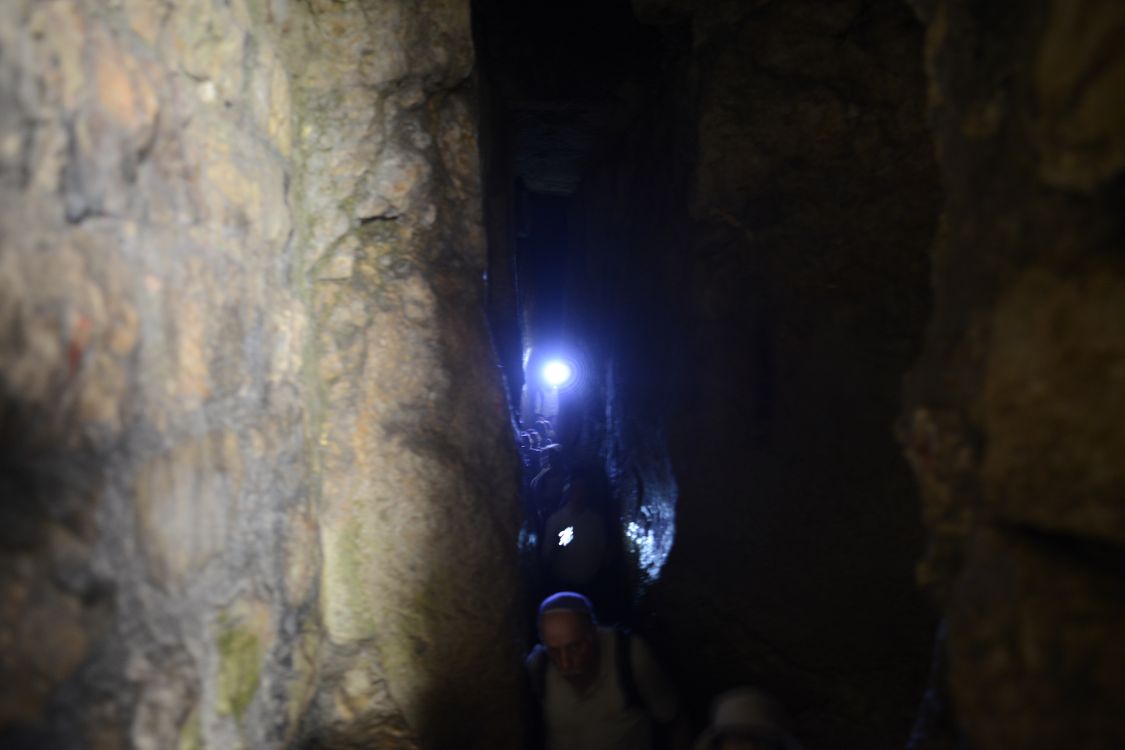
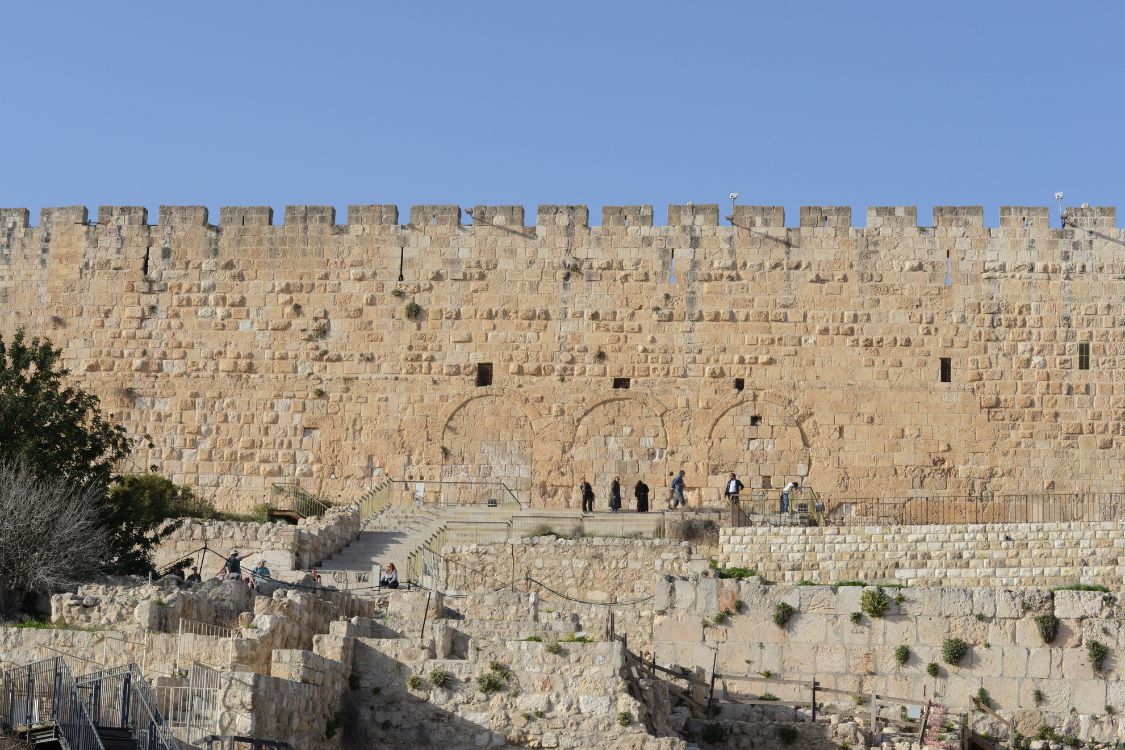
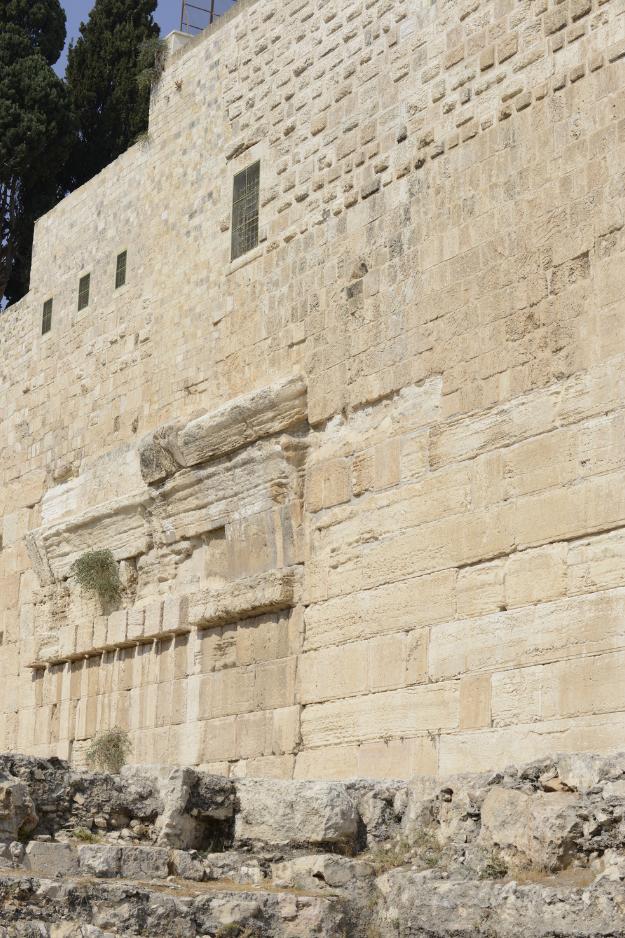
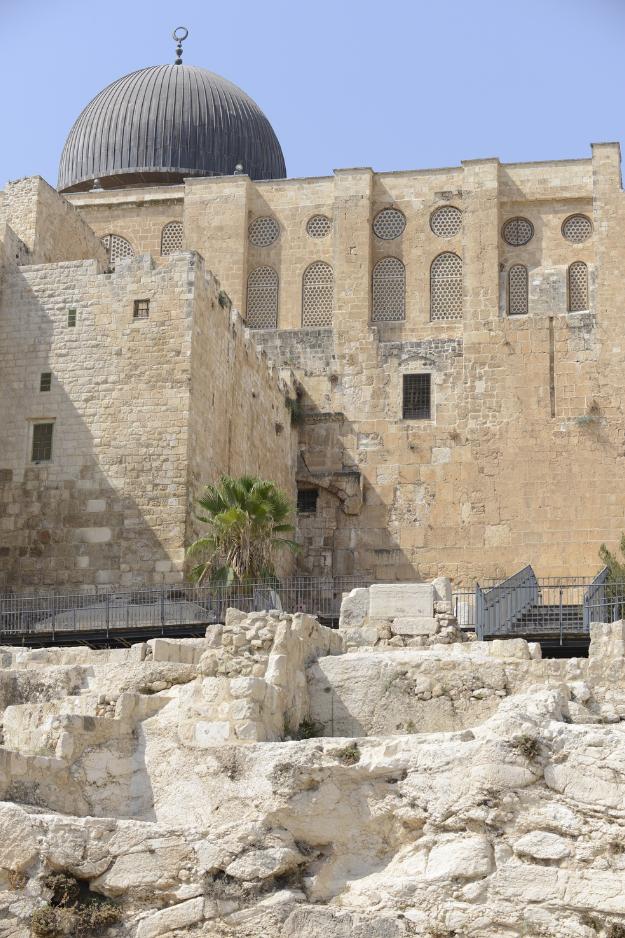
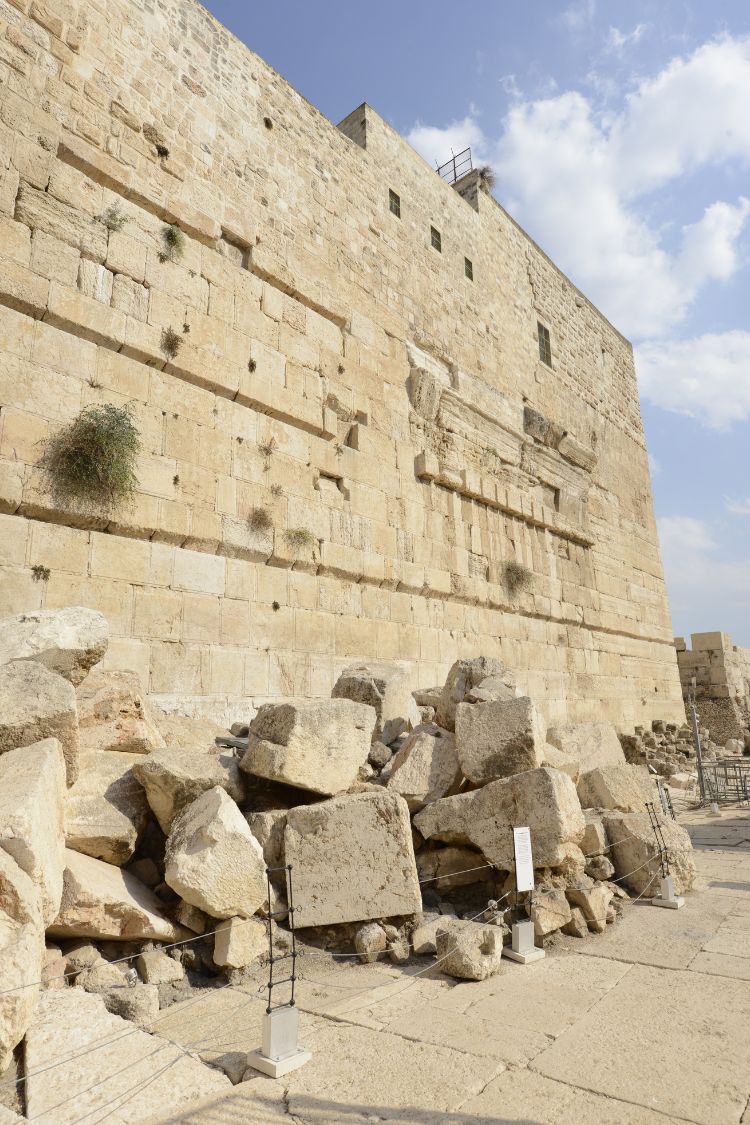
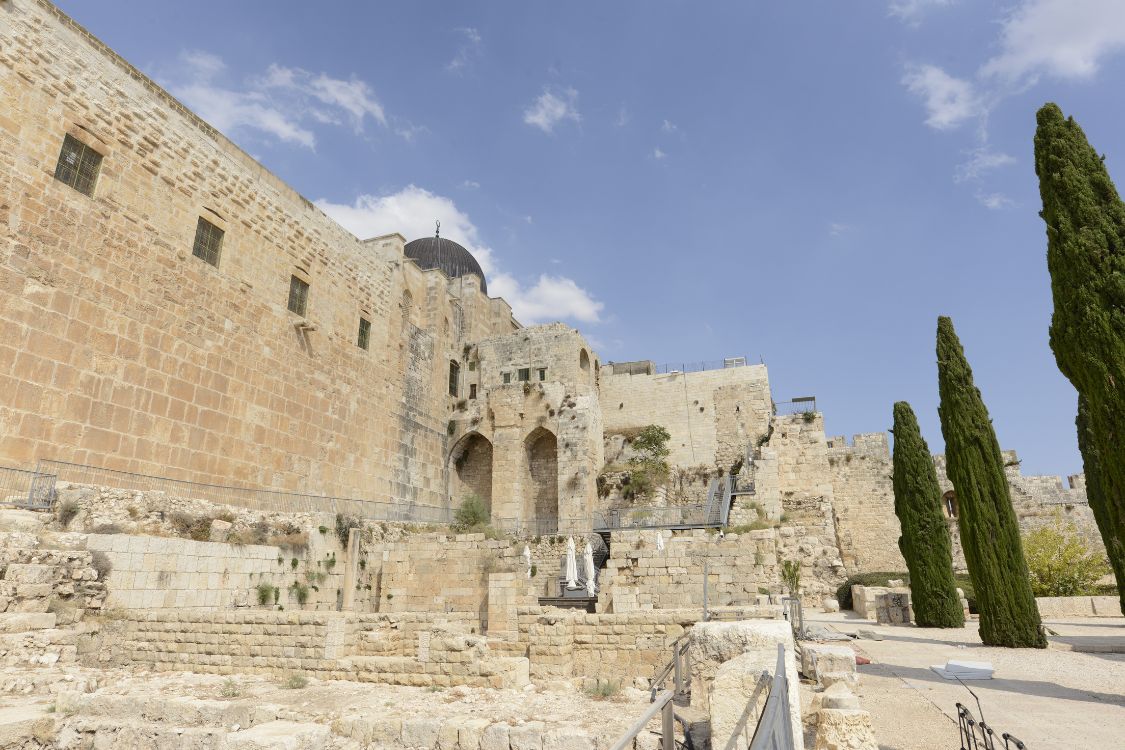
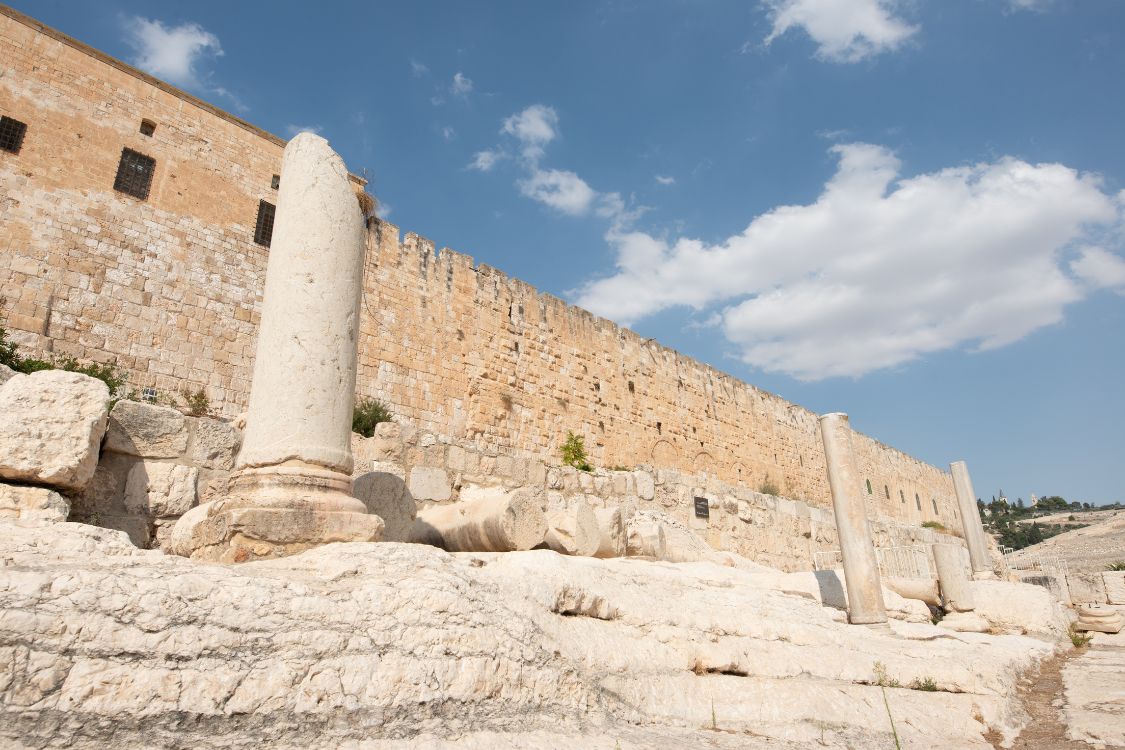
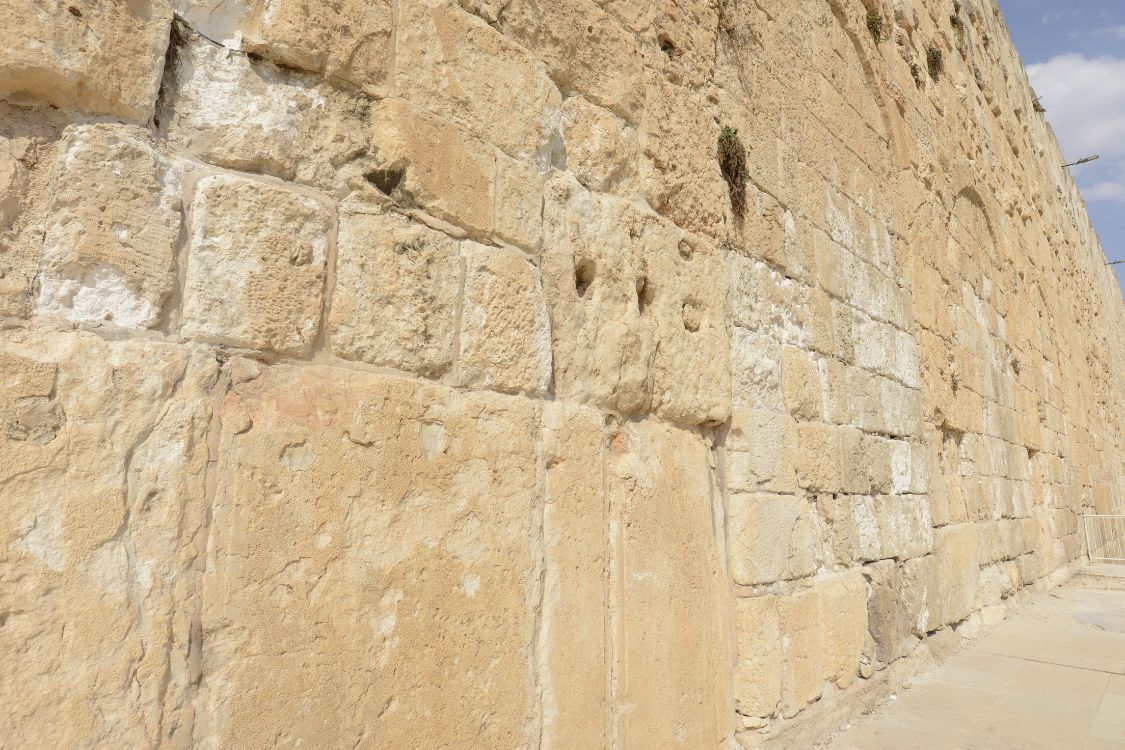
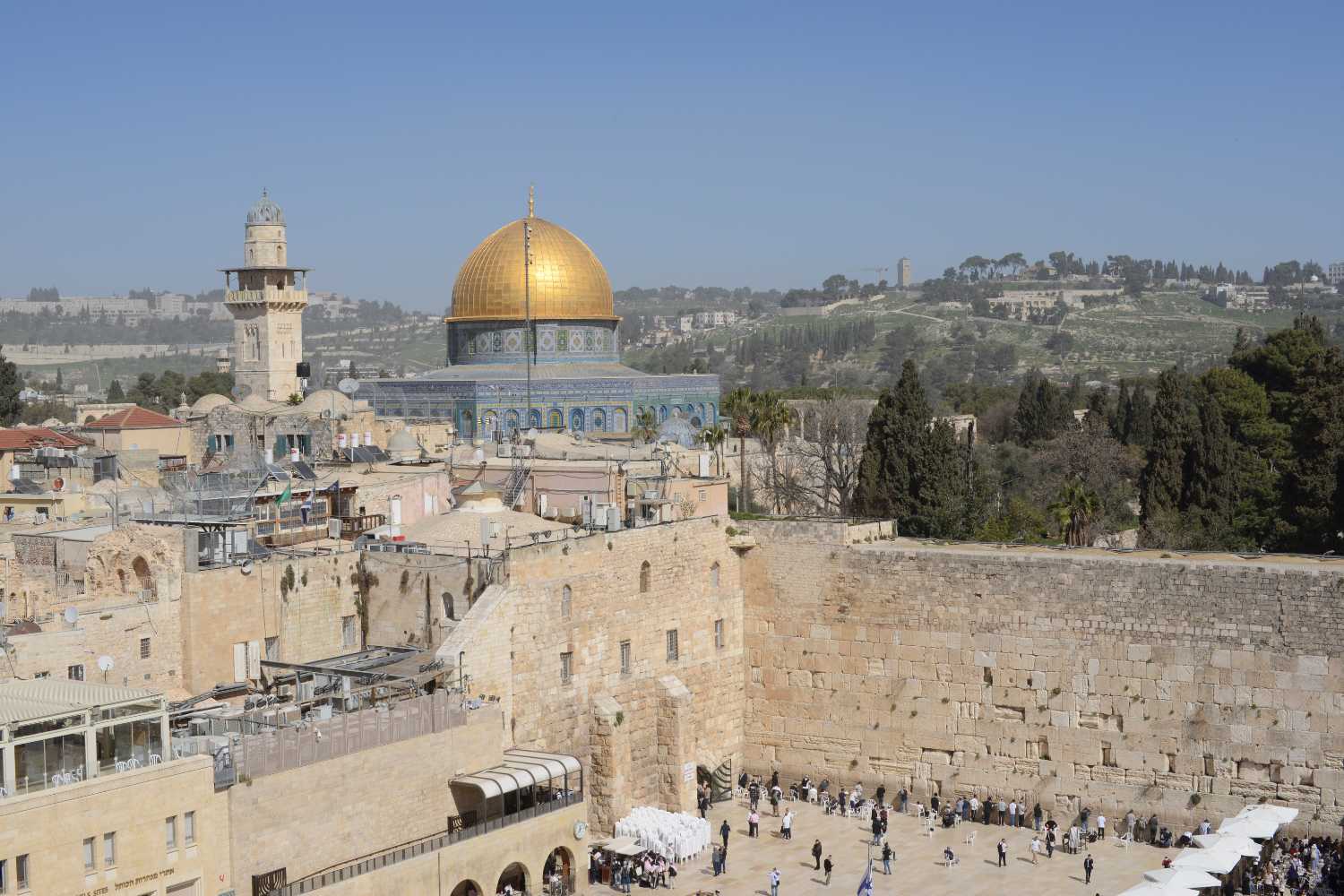
The Hulda Gates are located along the southern wall of the Temple Mount, about 250 meters from its southwestern corner, practically beneath today’s Al-Aqsa Mosque, which was built some 700 years later.
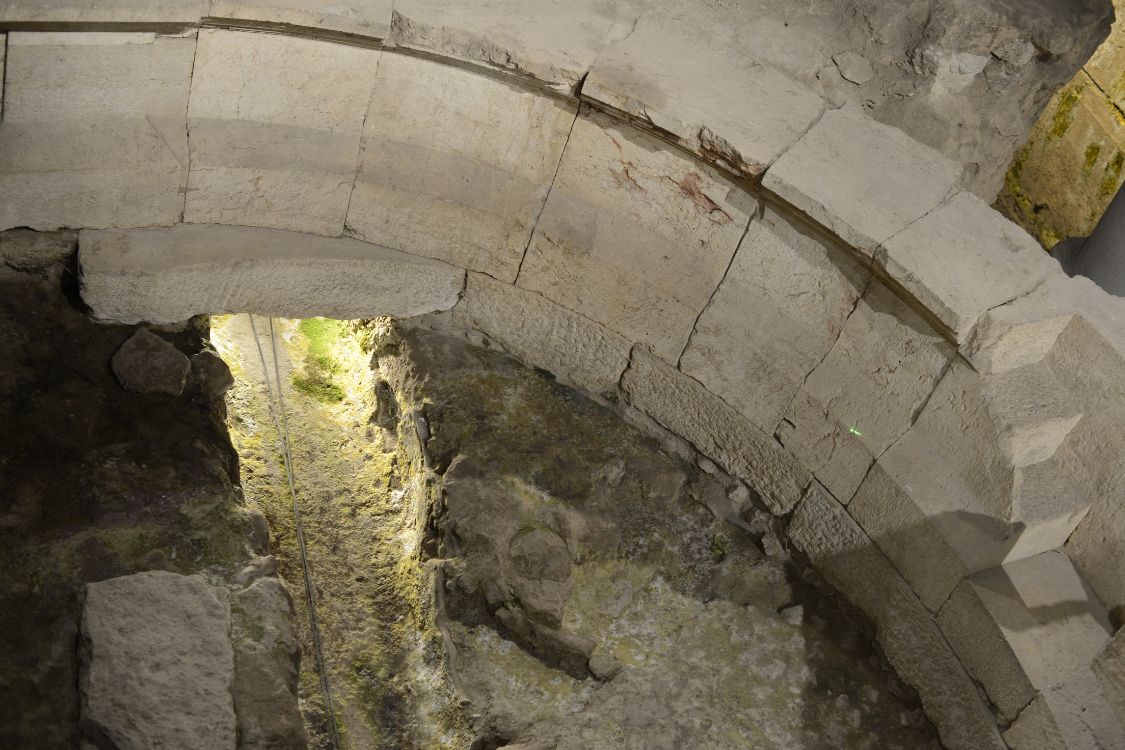
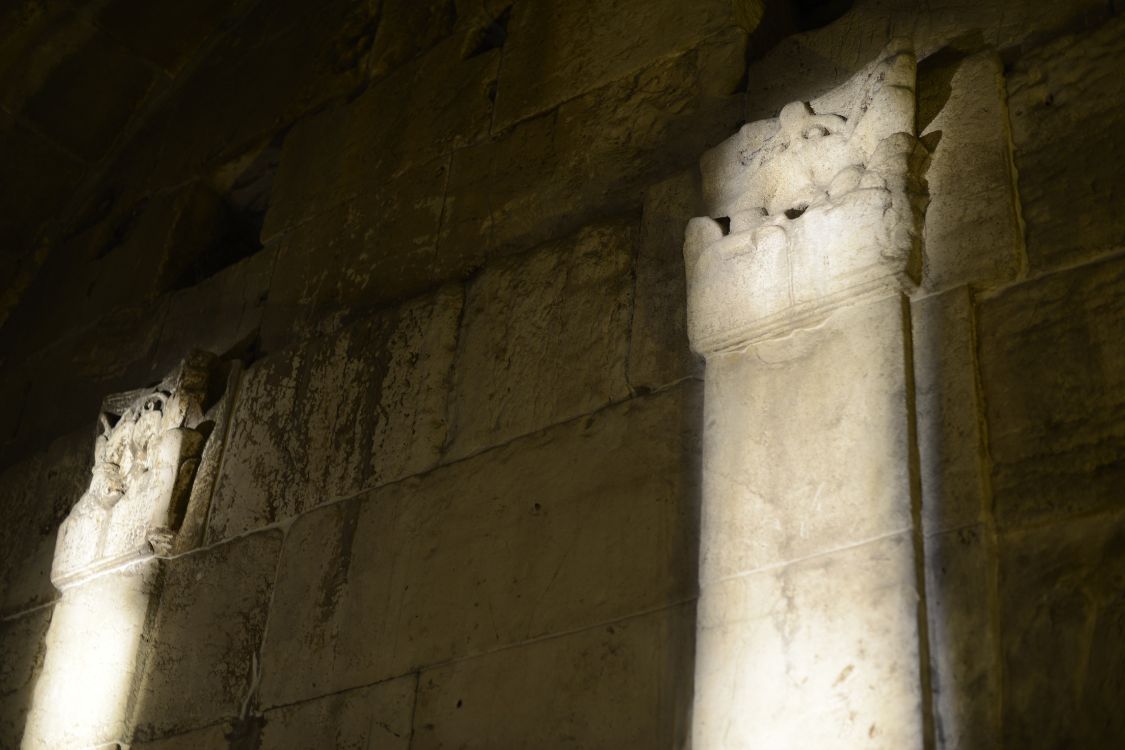
During the Second Temple period, there were two sets of gates: the Triple Gate and the Double Gate. According to a common interpretation, pilgrims entered the Temple Mount through the Triple Gate, making their way toward the magnificent Royal Stoa, while the Double Gate served as the exit. This arrangement helped manage the enormous crowds arriving in Jerusalem during the Jewish pilgrimage festivals.
There was, however, one touching exception. According to Jewish tradition, a person in mourning would walk in the opposite direction. Those passing by would recognize their grief and offer words of comfort:
“May He who dwells in this House comfort you.”
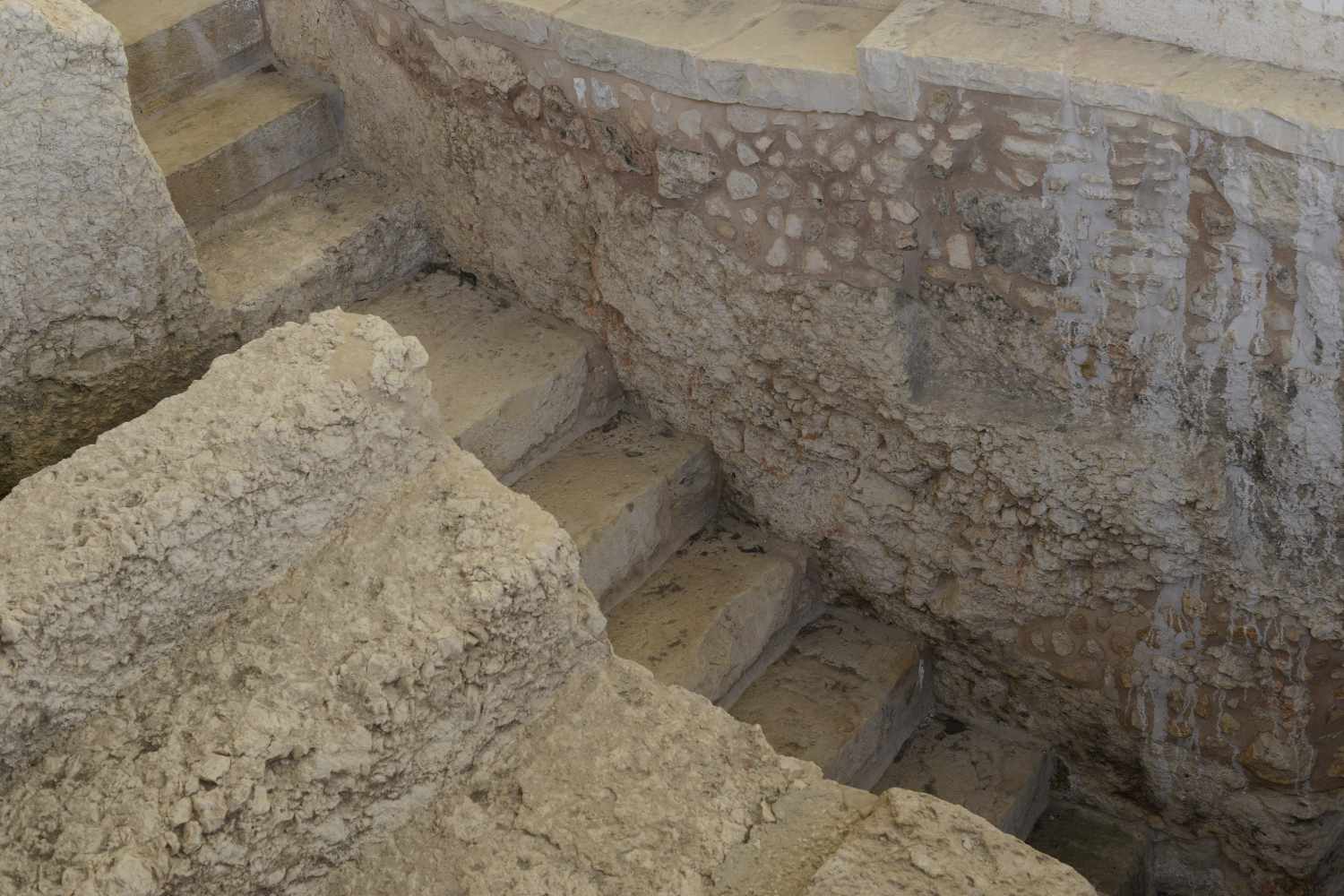
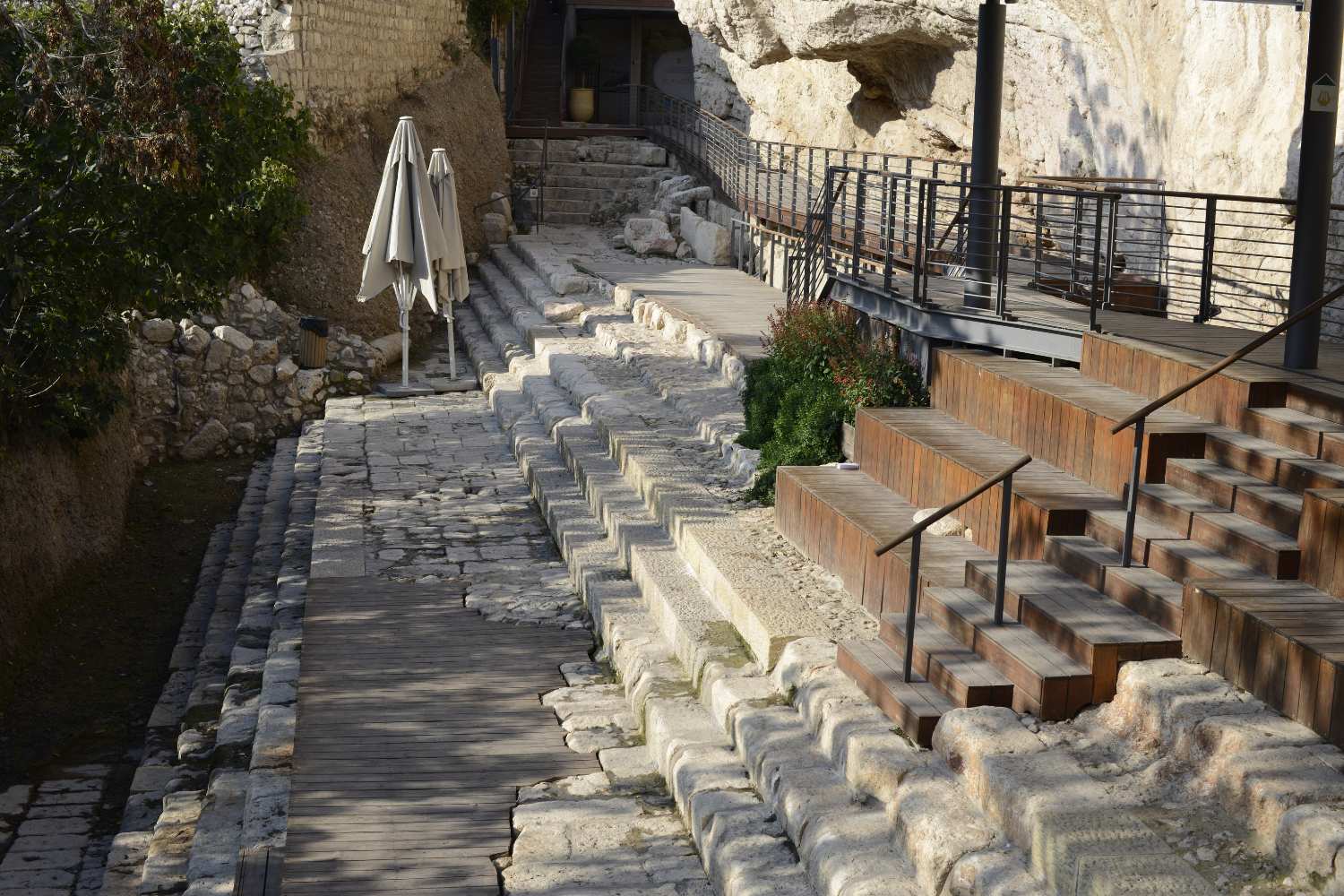
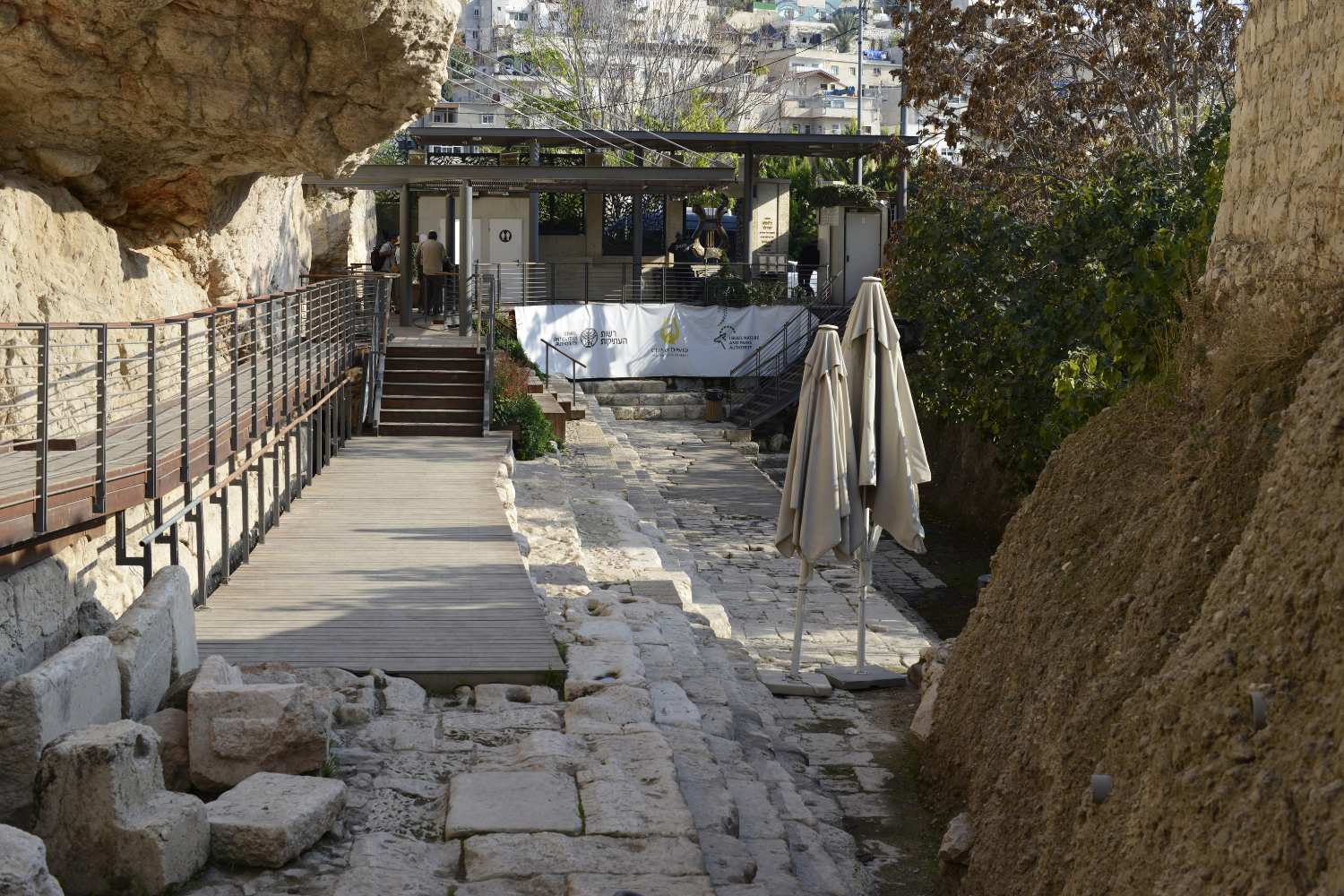
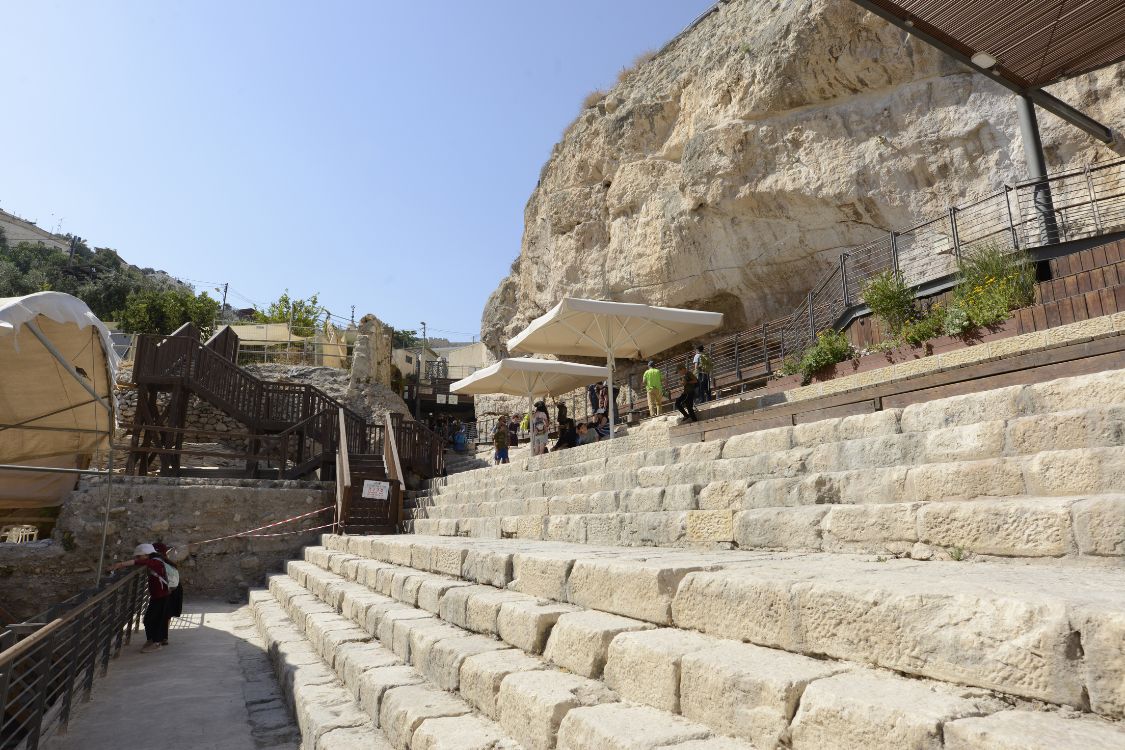
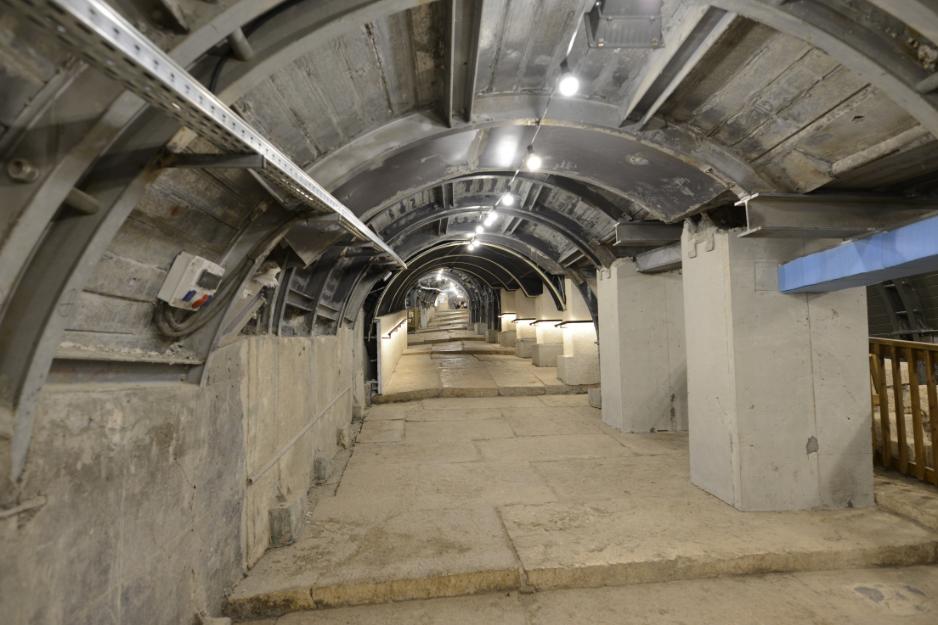
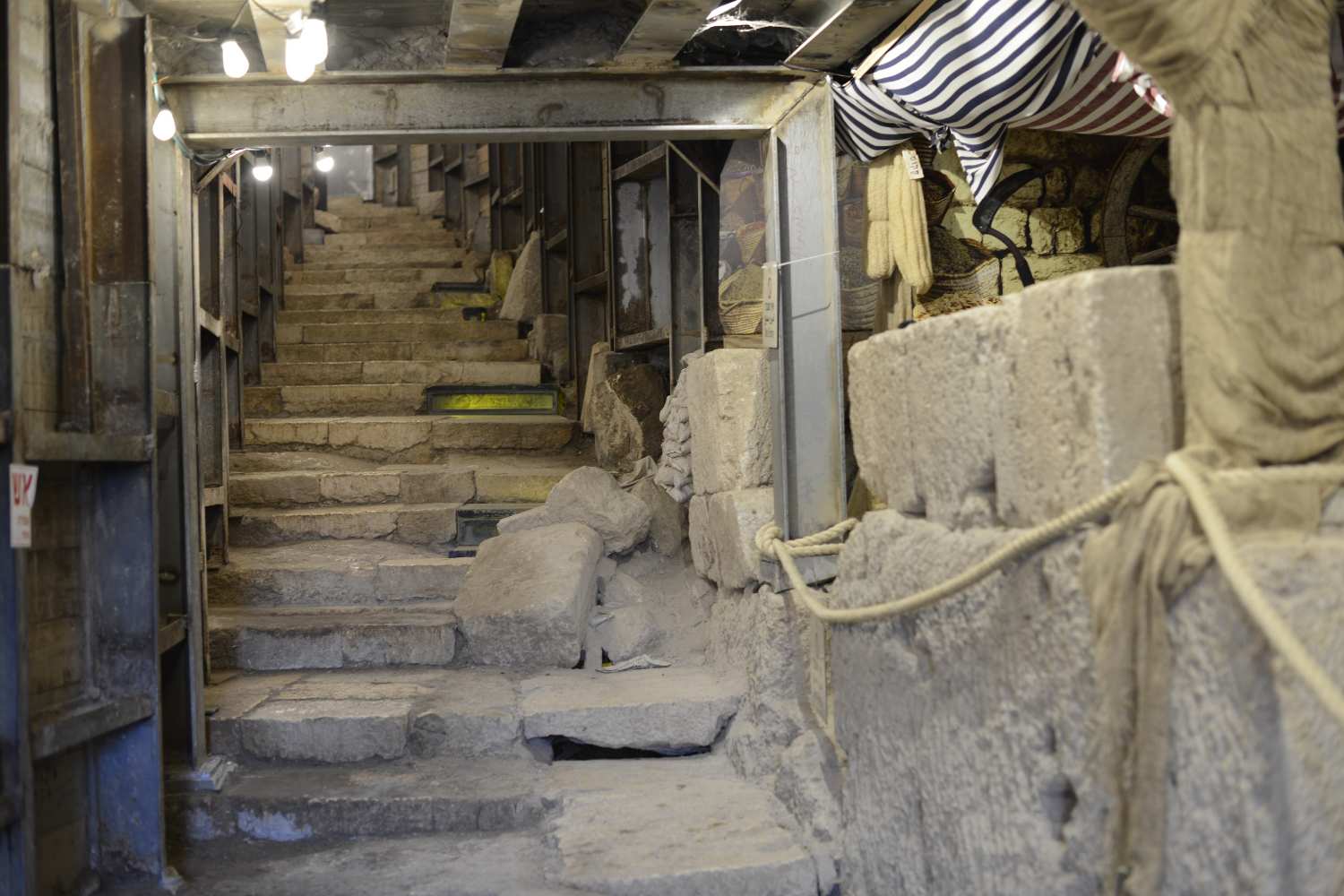
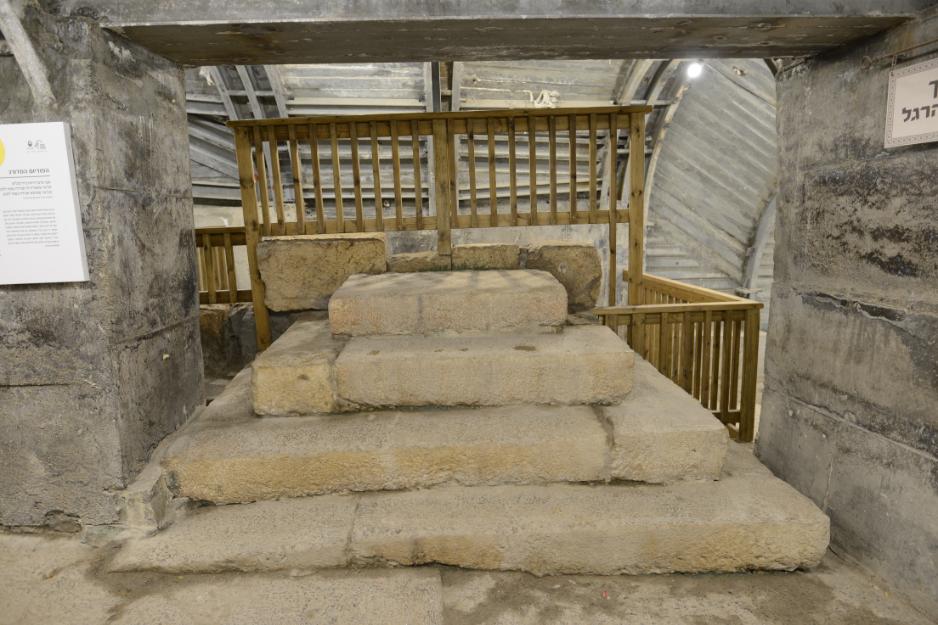
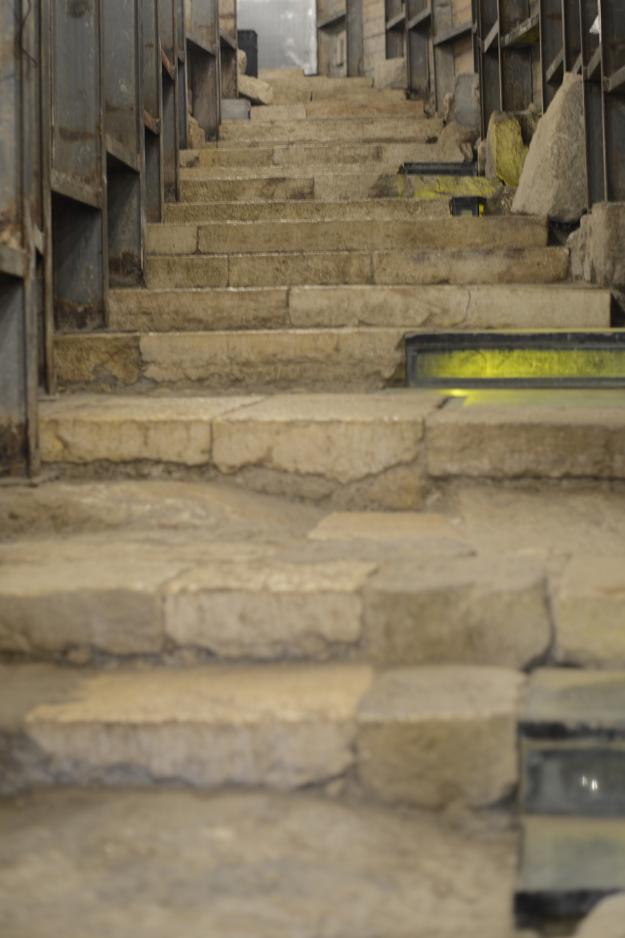
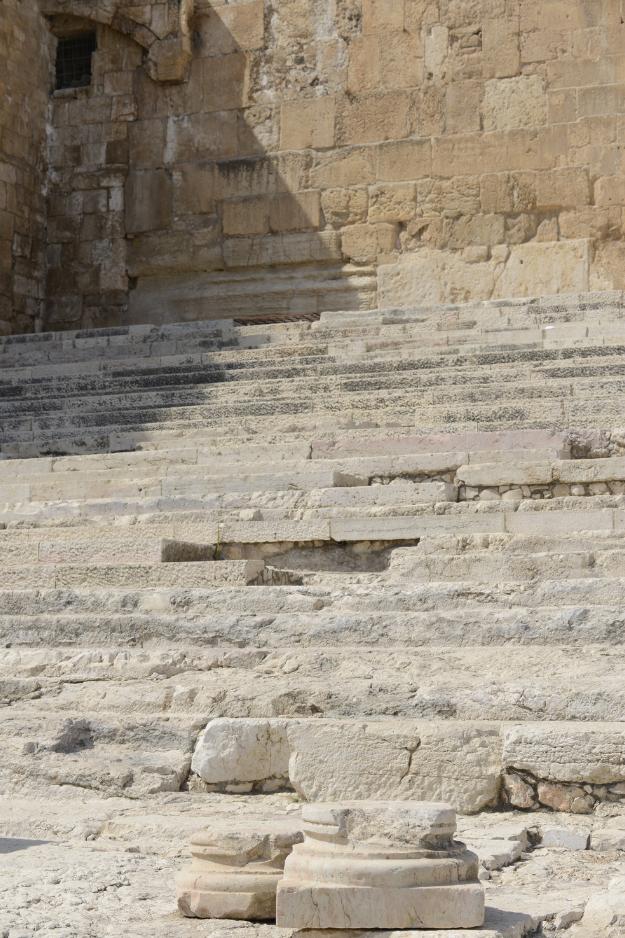
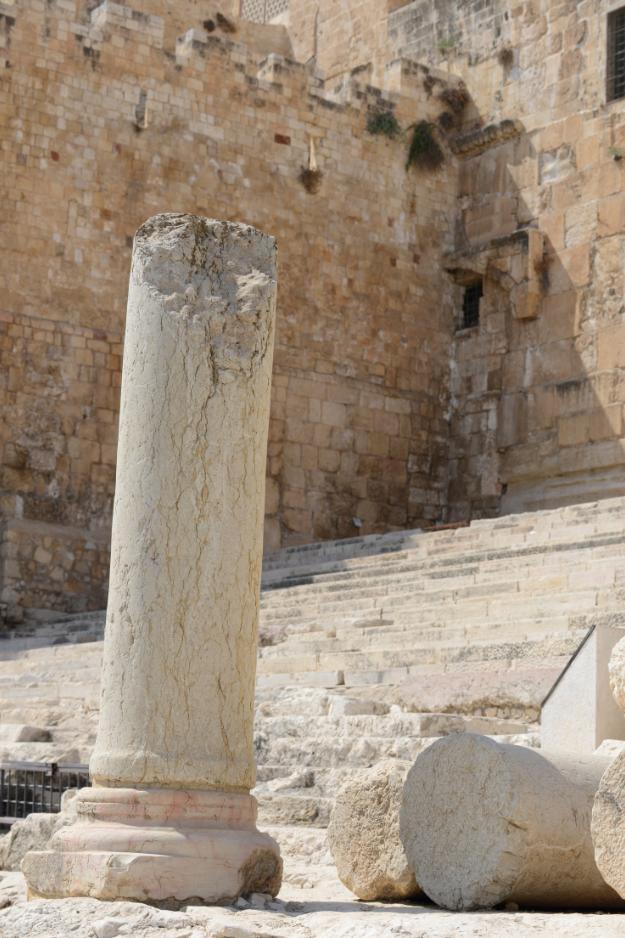
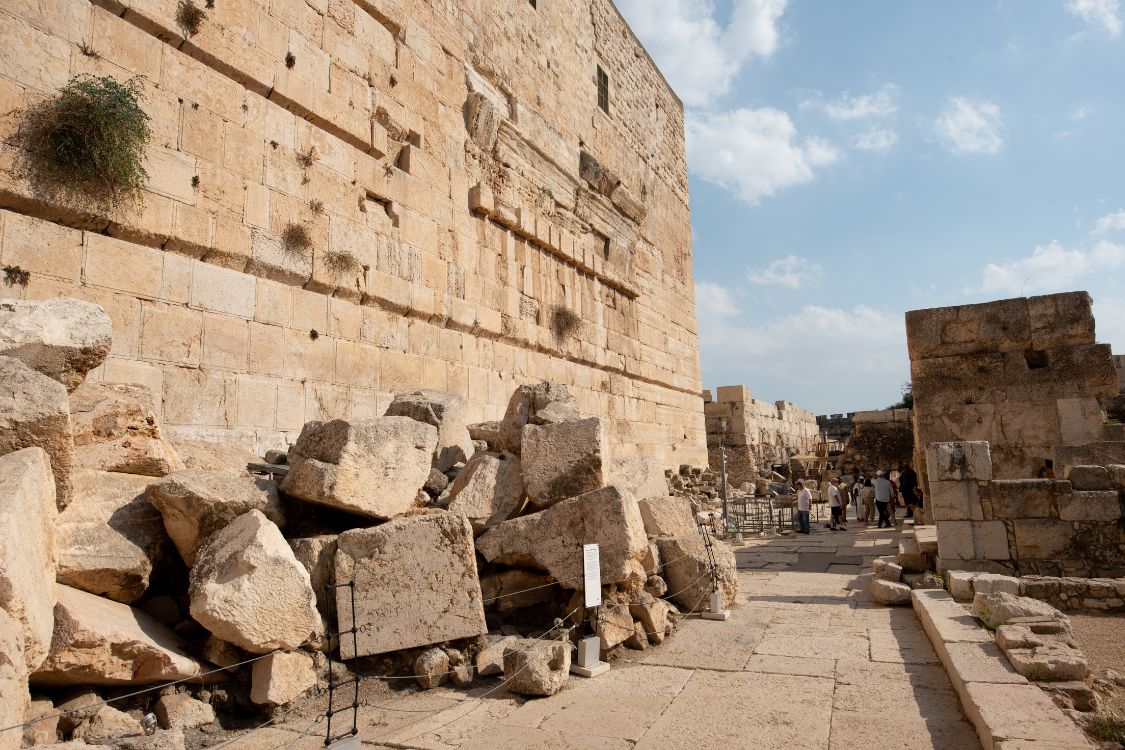
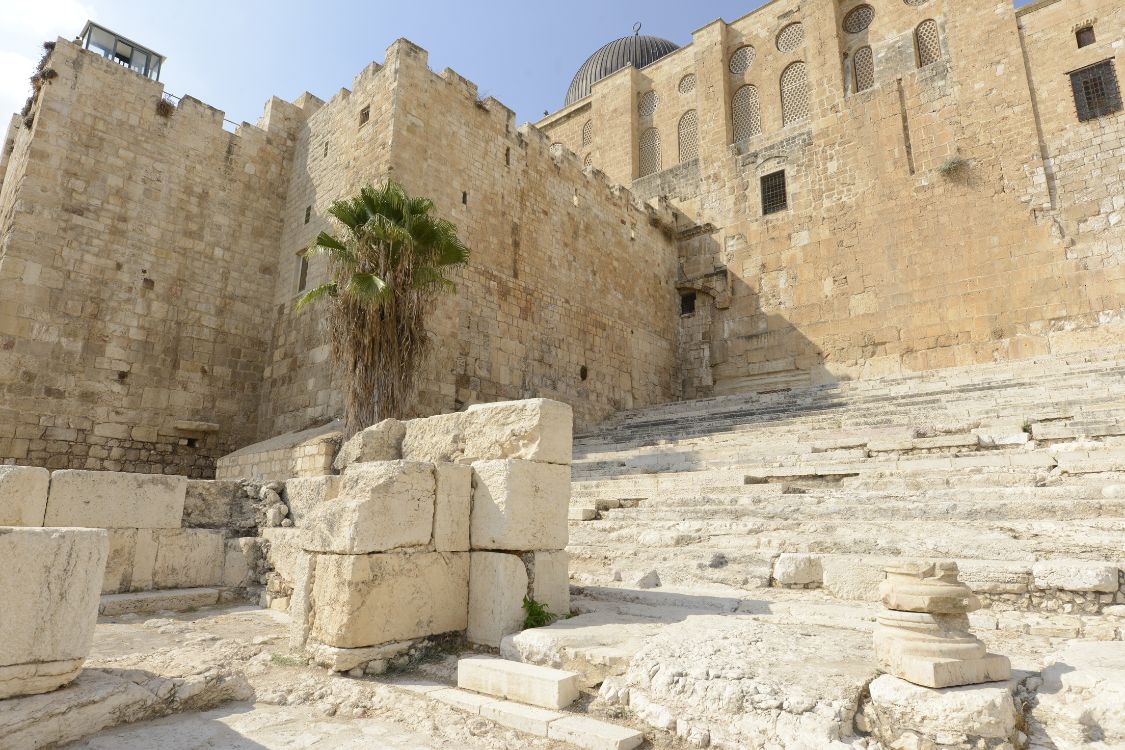
Leading up to the gates were the massive Hulda Steps, the final destination of the ancient Pilgrimage Road before entering the sacred Temple Mount. Imagine thousands of Jewish pilgrims climbing these steps some 2,000 years ago, preparing to enter Judaism’s holiest sanctuary.
The area was also associated with the lively religious and commercial activities of the Temple period. Pilgrims purchased sacrificial offerings, including pigeons, and exchanged money to pay the half-shekel Temple tax.
According to the Gospels, Jesus overturned the tables of the money changers and drove out merchants from the Temple precincts, protesting the commercial activities taking place within the sacred complex.
The gates are traditionally associated with Huldah the Prophetess, who, according to local tradition, taught and preached in this area. Some believe this is how the gates received their name, although its actual origin remains uncertain.
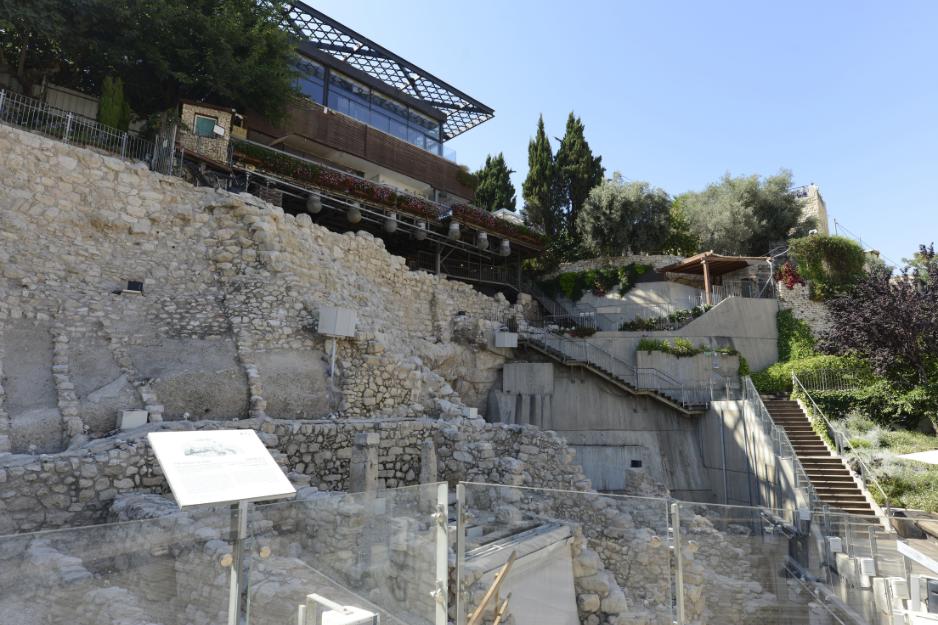
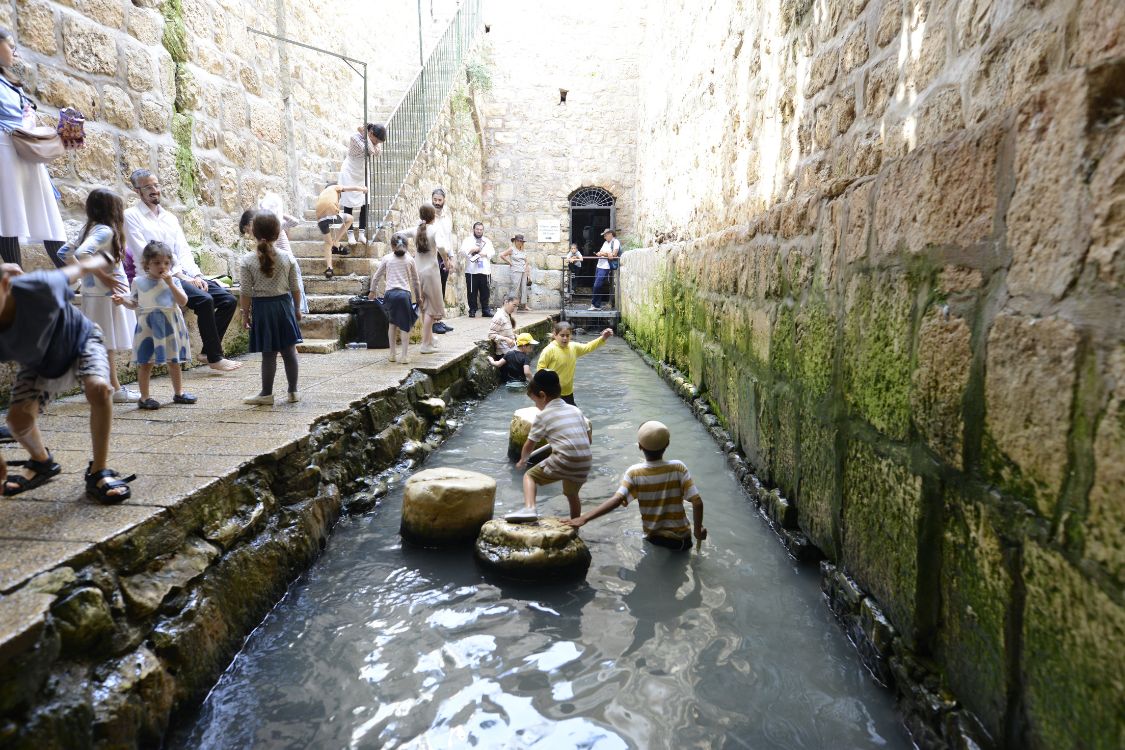
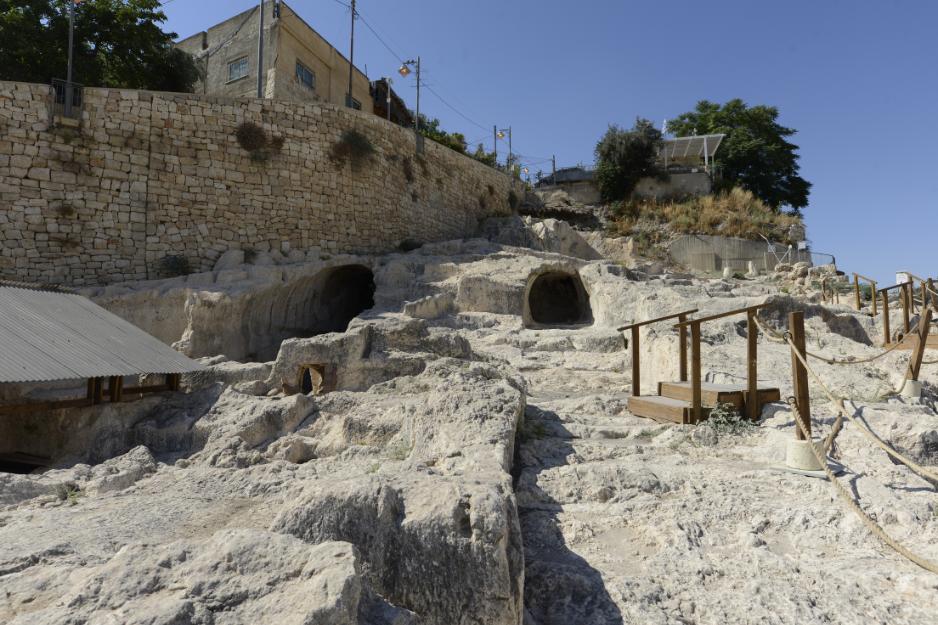
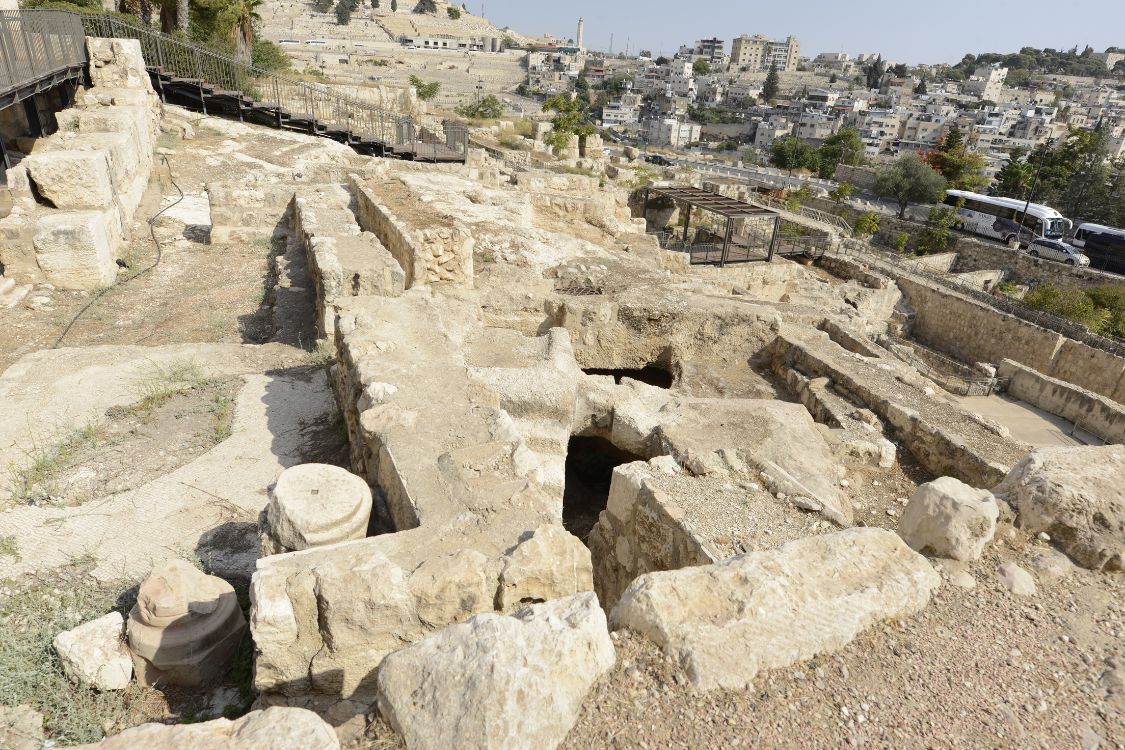
Below the steps stretches the Ophel archaeological area, where numerous ancient mikva’ot have been discovered. Here, pilgrims could immerse themselves in water for ritual purification before ascending the steps and entering the Temple Mount.
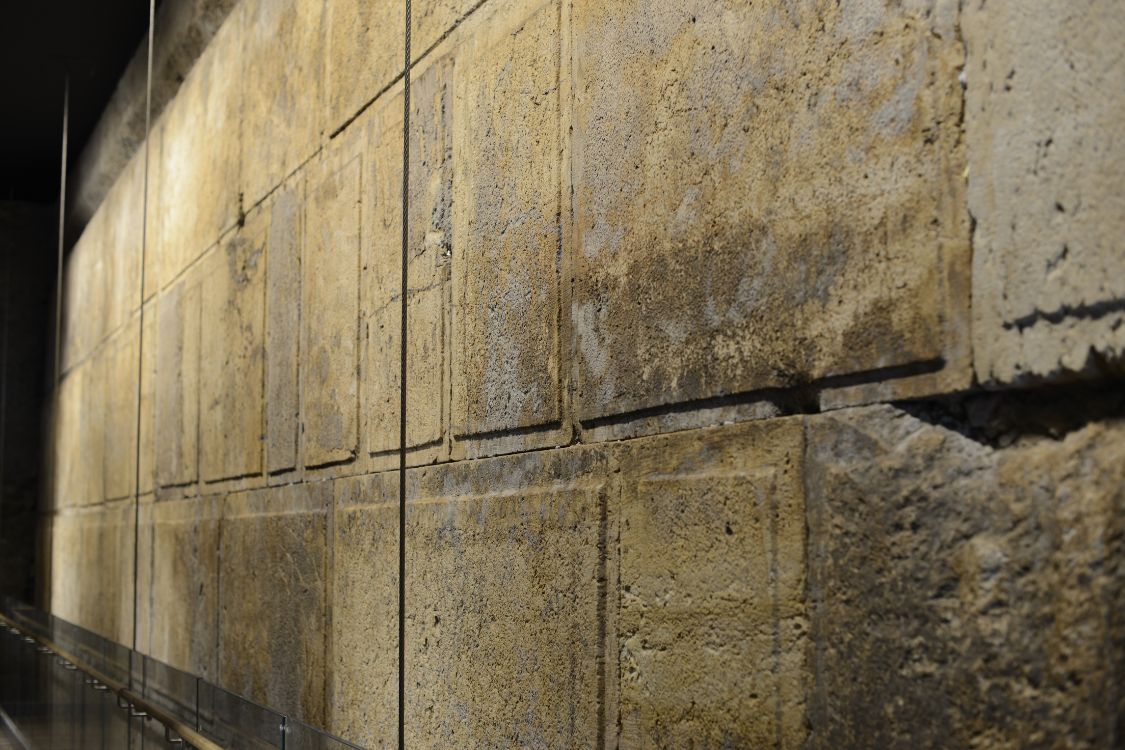
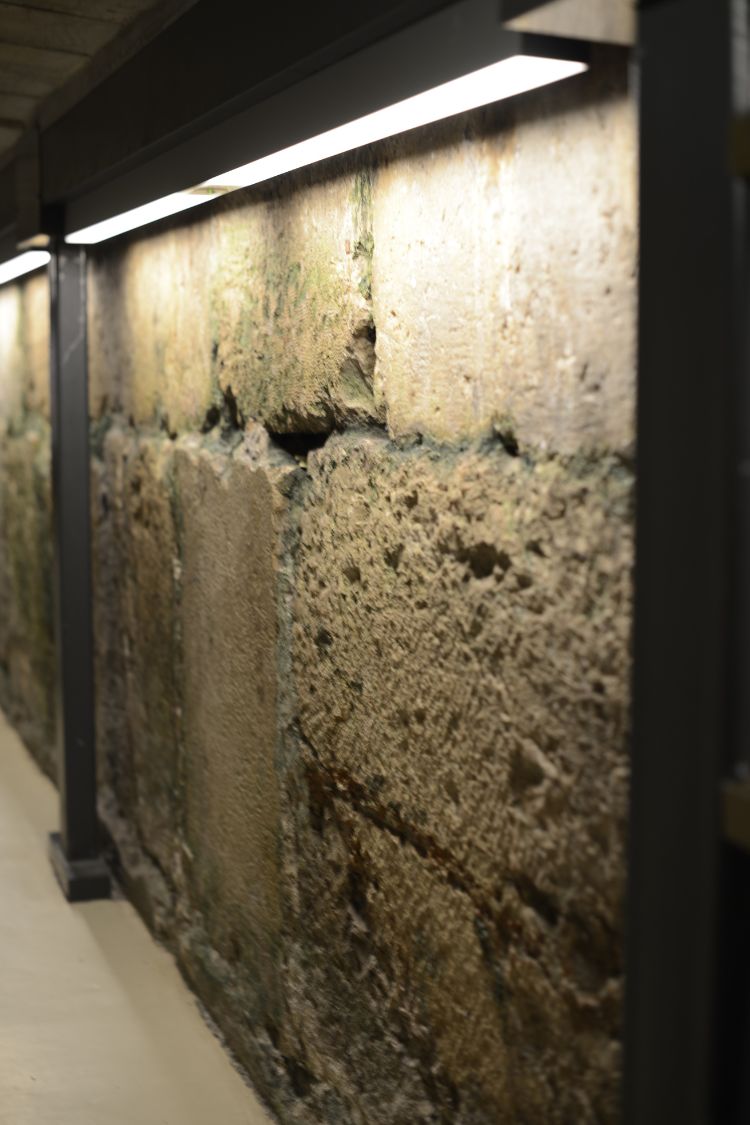
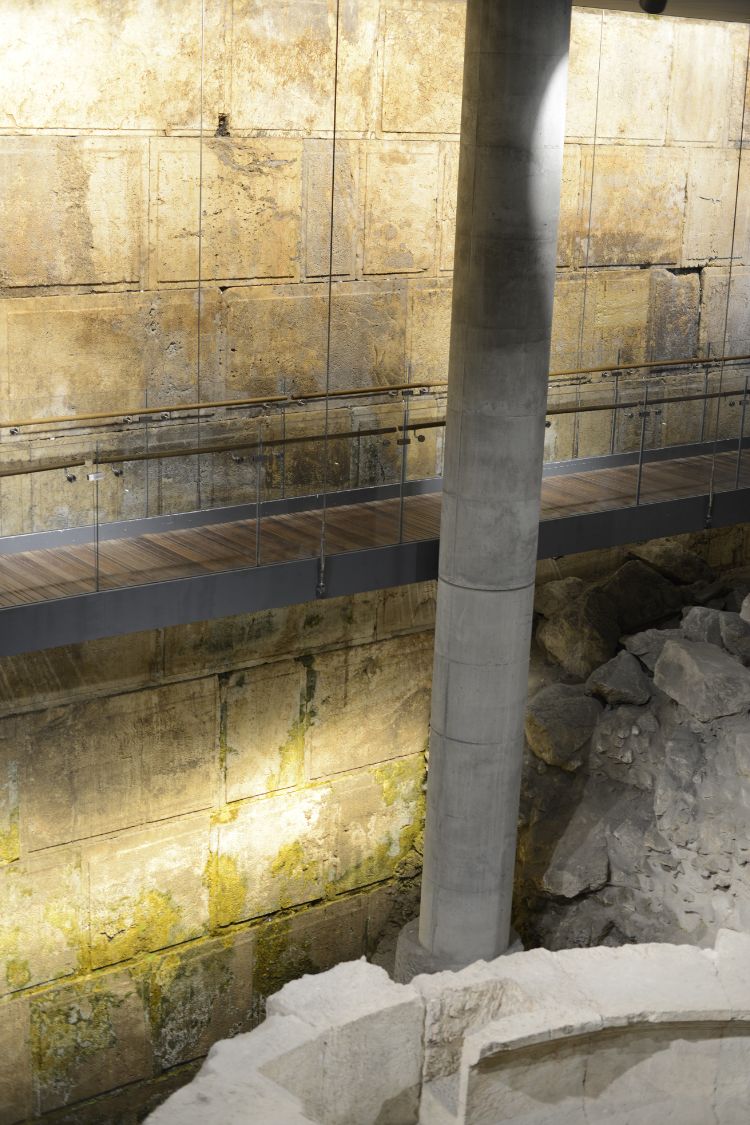
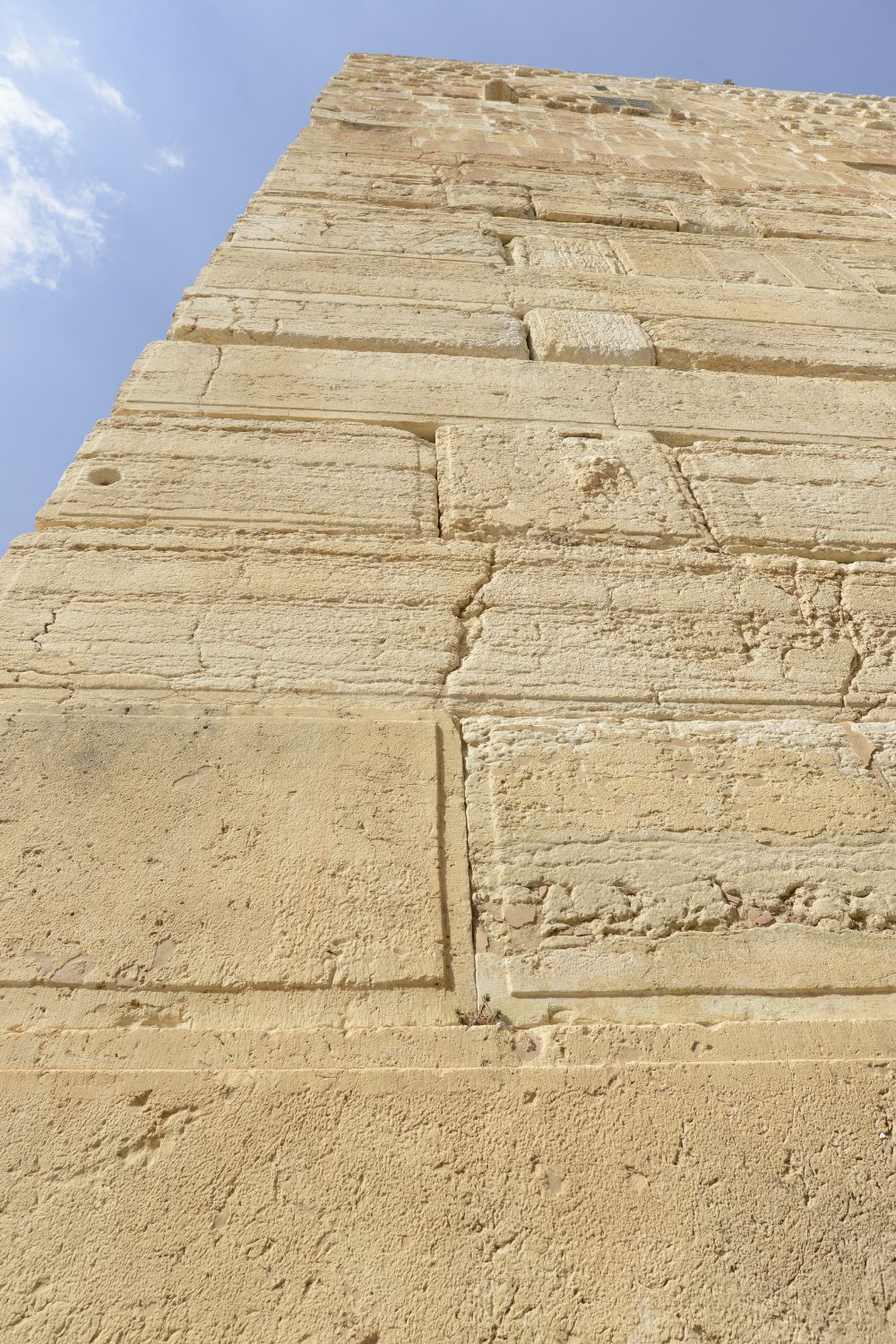
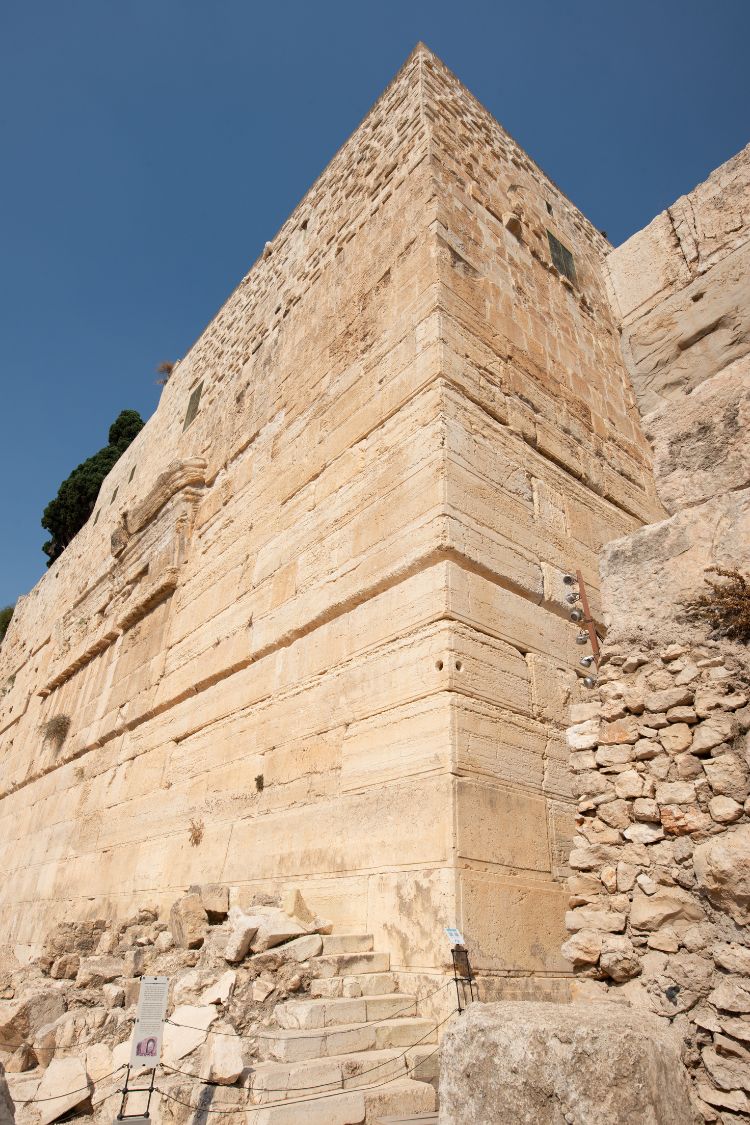
Today, standing on these ancient steps, surrounded by the massive stones of the southern Temple Mount wall, offers a remarkable opportunity to imagine the religious life of Jerusalem 2,000 years ago.