FAQ
ETA-IL Link
ETA-IL is Israel’s electronic travel authorization system for visa-exempt countries. Travelers must apply online at least 72 hours before arrival, receive digital approval, and present it upon entry. The process is quick, secure, and designed to streamline border control. ETA-IL enhances security while making entry to Israel smoother for tourists, business travelers, and short-term visitors.
Weather Forecast
Israel’s weather forecast often blends Mediterranean sunshine with desert drama. Along the coast—Tel Aviv and Haifa—expect mild winters, hot humid summers, and steady sea breezes. Jerusalem stays cooler, especially at night. The Dead Sea and Eilat bring dry heat and clear skies. Spring and autumn? Perfect, balanced, and travel-friendly across the country.
Ticketing National Parks
Ticketing for Israel’s national parks is simple and mostly online via the Israel Nature and Parks Authority website. Popular spots like Masada National Park and Ein Gedi Nature Reserve require advance booking, especially during holidays. Choose your time slot, pay digitally, and enjoy smooth, organized entry to Israel’s top nature and heritage sites.
Link: Israel National Parks
Sabbath and Jewish Holiday Regulations
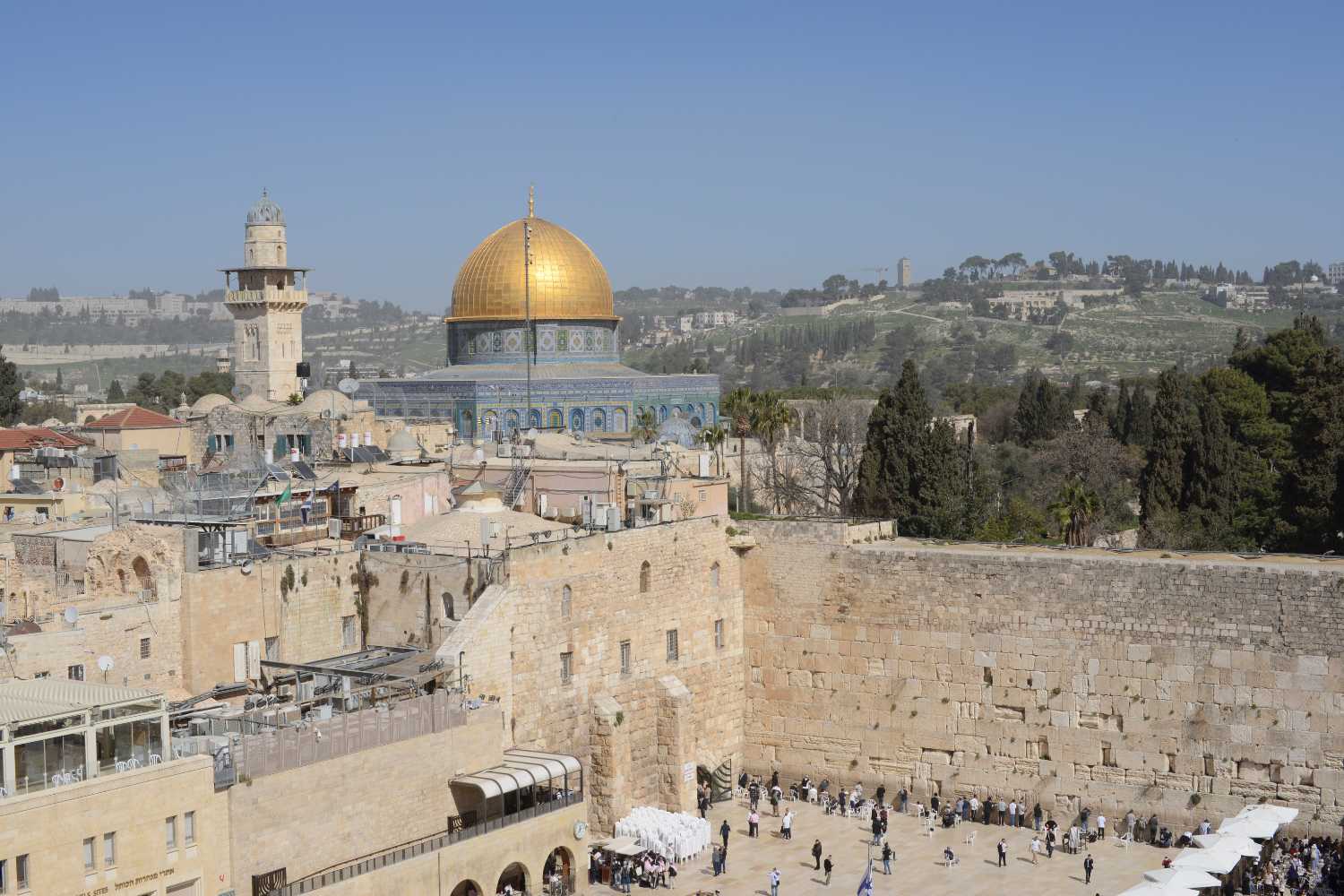
In Israel, Shabbat begins at sunset on Friday and ends Saturday night, shifting the country into a different rhythm. Shops close, public transport pauses in many cities, and in some areas—especially in religious and traditional destinations like Jerusalem, Safed, and Tiberias—some roads are completely closed to cars, and the quiet feels sacred. At the Western Wall, photography is not permitted on Shabbat. In cities like Tel Aviv and Eilat, beaches and streets remain relaxed, social, and welcoming.
Hotels with kosher certification operate in “Shabbat mode”: food is prepared before Shabbat and kept warm, rather than freshly cooked.
Jewish holidays follow the Hebrew calendar and shape the national mood. Rosh Hashanah brings reflection, Sukkot outdoor gatherings, Passover family traditions, and Hanukkah glowing lights. Yom Kippur, the holiest day of the year, brings the country to a complete halt—no shops, no cars, no commercial activity—so prepare in advance.
Link: Jewish Year Calendar
Useful APPS: Waze For Navigation, Cello For Parking
When renting a car in Israel, a couple of apps make life much easier. Waze is the go-to navigation app, offering real-time traffic updates, road alerts, and the fastest routes across the country. For parking, use Cello to pay directly from your phone. You’ll need a credit card to register, but no Israeli ID is required, making it simple for tourists.
Link: Waze (Android Google Play)
Link: Waze (App Store)
Link: Cello (Android Google Play)
Link: Cello (App Store)
Taxi from Ben Gurion Airport
If you’re not renting a car and need a taxi from Ben Gurion Airport, use the official airport taxi service operating from the arrivals hall. Licensed taxis run 24/7, including Shabbat and holidays. Fares are regulated, and you can pay by cash or credit card. Always follow signs to the authorized taxi stand to avoid unauthorized drivers and ensure a safe, reliable ride.
International Driving Licenses
Visitors driving in Israel are generally required to carry a valid international driving license alongside their original national driver’s license. Car rental companies may request both documents at pickup. The permit must match your passport details. Always check rental policies in advance to ensure smooth, hassle-free driving during your stay.
Link: Sixt
Link: Avis
Link: Budget
Book a Tour Guide
For English speakers seeking an exceptional guide—especially in Jerusalem—Danny the Digger is a top choice, known for his deep archaeological knowledge and engaging storytelling.
Portuguese speakers will feel right at home touring with Aline, who brings warmth and clarity to every site.
Heading south? For Sde Boker, the Zin Valley, and wider Negev adventures, Arthur du Mosch is your desert expert—perfect for immersive, off-the-beaten-path experiences.
Link: Danny the Digger
Link: Aline
Link: Arthur du Mosch
Reservation in Restaurents, Museums and More
In Israel, if you’re planning to dine at a fashionable or high-demand restaurant, it’s highly recommended to reserve in advance. Popular spots in Tel Aviv and Jerusalem often fill up days ahead, especially on weekends and holidays. Some restaurants require credit card details to secure the booking, and if you miss your reservation, you may be charged around 50 NIS per person.
You also need to pre-book for leading museums such as the Israel Museum and major exhibitions across the country. Reserving in advance guarantees your entry, reduces waiting time, and helps you plan your day efficiently—especially during holidays and peak tourist seasons—ensuring a smooth, stress-free cultural experience in Israel.
Link: Ontopo Reservation
Link: Eretz Israel Museum Tel Aviv
Link: Israel Museum Jerusalem
Link: Tel Aviv Museum
In Troubles: Contact your Consulate of your own Country in Israel
When visiting Israel, it’s important to know who to contact in case of emergency. For police assistance, dial 100. For medical emergencies, call 101 to reach Magen David Adom, Israel’s national emergency medical service. In case of fire, dial 102. If you lose your passport, face legal issues, or need consular support, contact your country’s embassy or consulate in Israel. Most embassies are located in Tel Aviv or Jerusalem. Keep important phone numbers saved and always carry identification and travel insurance details.
Link: American Embassy
Link: German Embassy
Link: British Embassy
Link: France Embassy
Red Alert
The Red Alert app provides real-time rocket and security alerts across Israel, based on official Home Front Command updates. It instantly notifies users of sirens in specific locations, helping residents and visitors seek shelter quickly. The app is free, available in English, and highly recommended during periods of security tension.
Link: Red Alert (Android Google Play)
Link: Red Alert (App Store)
Payment: you can buy nearly anything with Credit Card
Paying by credit card in Israel is accepted almost everywhere—hotels, restaurants, shops, and attractions. However, in markets like Machane Yehuda in Jerusalem, Carmel Market and the Flea Market in Tel Aviv, cash is often preferred. In the Old City of Jerusalem, some vendors require cash, though ATMs are available nearby.